lifespan until scrapping is generally not a problem. Currently, internationally, the service life of automobiles is regulated by time, with the general lifespan of small cars being 15 years. If calculated by this standard, the average annual mileage of a regular household car is 20,000 kilometers, which amounts to 300,000 kilometers over 15 years. Relevant regulations: According to Article 7 of the latest 'Mandatory Scrapping Standards for Motor Vehicles': The state guides the scrapping of motor vehicles that have reached a certain mileage. The owners may sell their motor vehicles to recycling and dismantling enterprises for scrapped motor vehicles, which will carry out registration, dismantling, destruction, and other procedures in accordance with regulations, and submit the scrapped motor vehicle registration certificates, license plates, and driving licenses to the traffic management department of the public security authorities for cancellation. Scrapping standards for ordinary cars: Small and micro non-operational passenger vehicles and large non-operational sedans are scrapped after 600,000 kilometers, medium non-operational passenger vehicles after 500,000 kilometers, and large non-operational passenger vehicles after 600,000 kilometers.

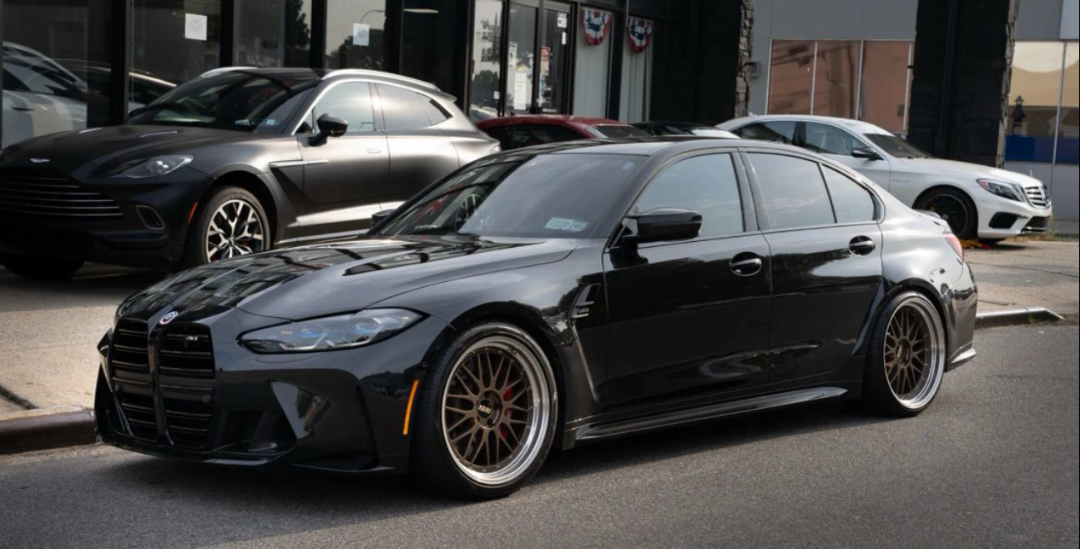
Having driven a for so many years, I've come to deeply understand that its normal lifespan depends largely on how you use it. Maintenance is key—regular oil changes, brake system checks, and tire inspections can keep the car running for 15 to 20 years. BMWs have robust body and engine structures, but neglecting maintenance can lead to issues like aging electronics or chassis corrosion. Driving habits make a big difference—short city trips wear the car more, while highway cruising helps extend its life. Climate also plays a crucial role; winter road salt is highly corrosive, and summer heat strains the cooling system. A friend of mine kept his old BMW running for 25 years by washing the engine bay weekly and replacing belts promptly. Overall, 15 years is a safe average, but with consistent maintenance, 20 years is achievable—don’t wait for warning lights to act. Safety shouldn’t be overlooked; older cars lose stability after 10 years, so plan ahead.

As a car owner, I've pondered the lifespan of BMWs. It's not uncommon for them to last 15 to 20 years under normal circumstances, but technological factors play a significant role. Modern engines are efficient, yet the abundance of electronic components—like navigation and sensors—can become outdated, leading to compatibility issues after 10 years. Maintenance costs rise yearly—parts are expensive, and even routine checks by general mechanics can lead to misdiagnoses. From my experience, city driving accelerates wear due to frequent starts, stops, and acceleration, causing part fatigue. In contrast, long highway trips help maintain stable vehicle conditions. Don’t overlook environmental factors: chassis rust faster in humid areas, while drier regions fare better. On average, driving for about 15 years is reasonable; beyond that, repair costs may exceed monthly payments on a new car. Also, battery life is crucial—requiring frequent replacements after 5 years, impacting overall longevity. The ideal time to consider a replacement is between 12 to 18 years, balancing safety and cost.

I've been driving BMWs on long trips for years, and their lifespan generally exceeds 15 years. The engines are durable, but the drivetrain bears heavy loads at high speeds, requiring diligent . With normal use, I never skip basic checks—inspecting engine oil and tire pressure every season, otherwise brake pad wear accelerates. Weather poses significant challenges: cold causes salt corrosion, while heat damages coolant. In reality, neglecting these details leads to problems within 10 years. Economically speaking, maintenance costs rise the longer you drive, with minor repairs becoming routine after 5 years. Don't overlook safety factors; steering and lighting systems face higher aging risks after 15 years. Overall, I've seen well-maintained models last 20 years, but most end around 15—don't push it too far.

From my perspective, a typically has a lifespan of about 15 to 20 years, but let's shift the angle and consider the environmental aspect. Keeping an older car running for a few more years is beneficial, as producing new vehicles consumes significant energy and causes heavy pollution. BMWs are built with durable materials—their core engines and frames can last at least 20 years, provided they are well-maintained—changing filters and gear oil is crucial. Although the electronic systems may become outdated, the core components can still hold up. I insist on driving mine for 20 years to minimize waste; for example, reapplying anti-rust coatings can extend its life. Driving habits also make a noticeable difference: harsh braking and rapid acceleration shorten lifespan, while smooth driving reduces wear. Climate factors matter too; in hot regions, protecting the cooling system is essential. In short, with normal use, 15 years is a baseline, but with strong maintenance, pushing past 20 years benefits the environment—don’t just discard it for a new one.

I've done the math: driving a for around 15 years is cost-effective, but costs skyrocket after 10 years. Maintenance is key—regular oil changes and brake services are essential, otherwise repair costs double after five years. BMWs are well-built, but imported parts are pricey, making out-of-pocket expenses hefty. The depreciation curve is steep: new cars lose value immediately, and after 10 years, they're worth pennies. Safety-wise, older cars have weaker airbags and structural integrity, making 15-year-old models riskier. The sweet spot is 10 to 15 years—proper maintenance can extend it slightly, but don't exceed 20 years to avoid major losses. City driving with short trips wears cars faster, while highways are gentler. Regularly check fluid levels and warning signals to catch issues early and prevent costly repairs.