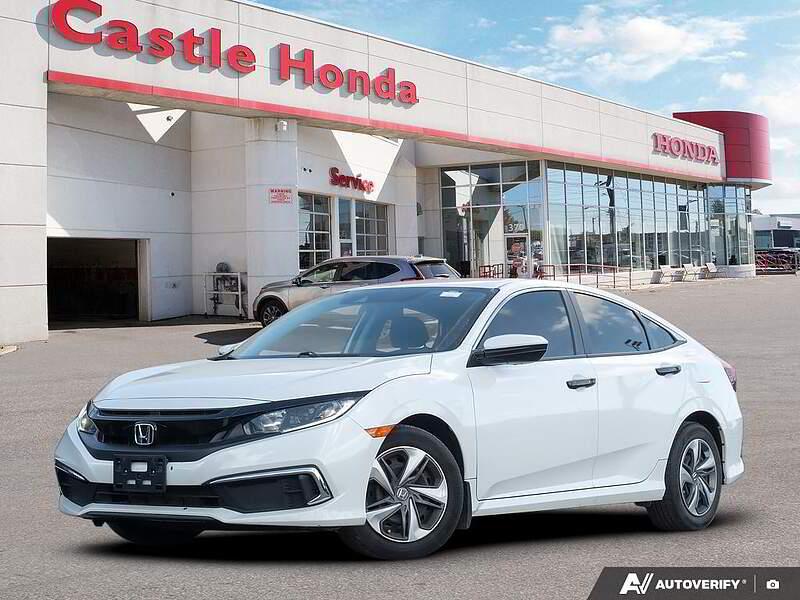
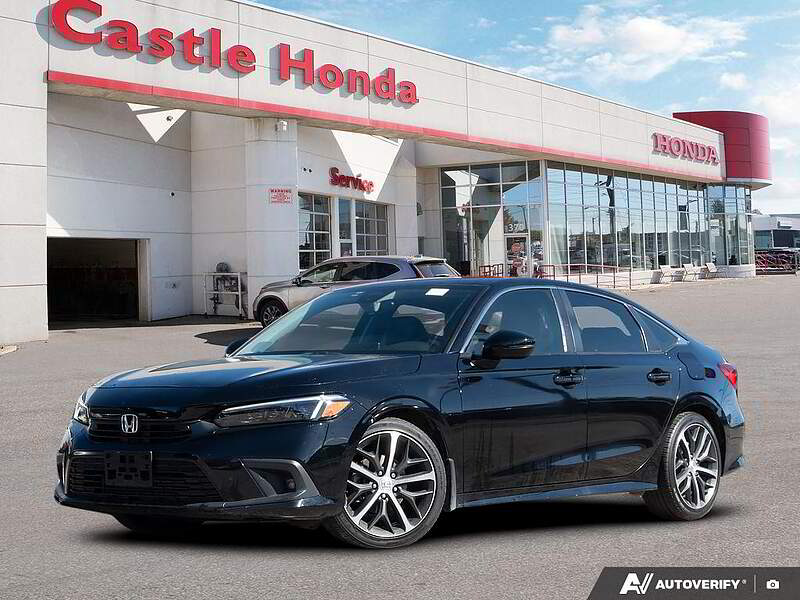
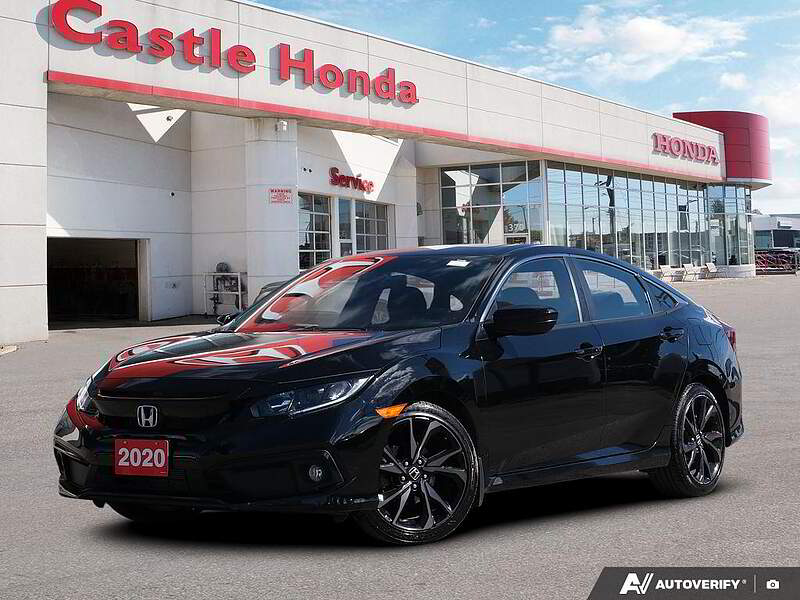
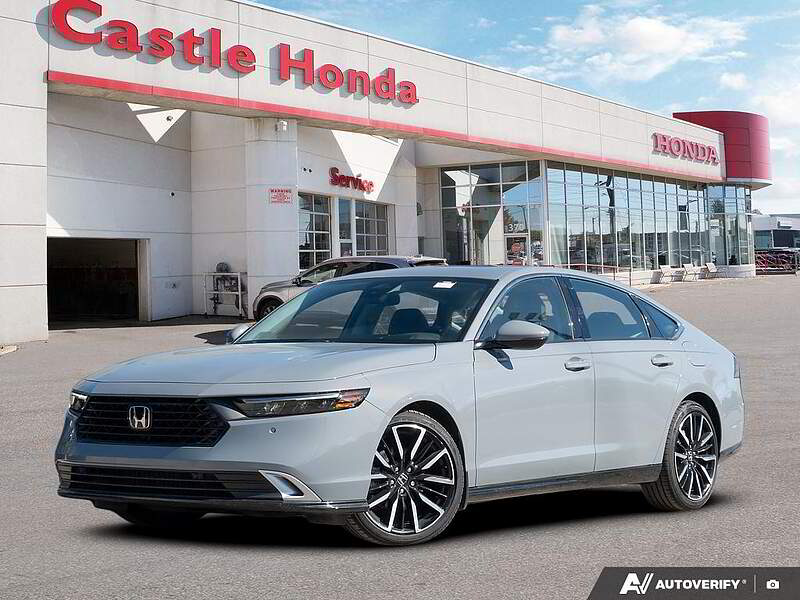
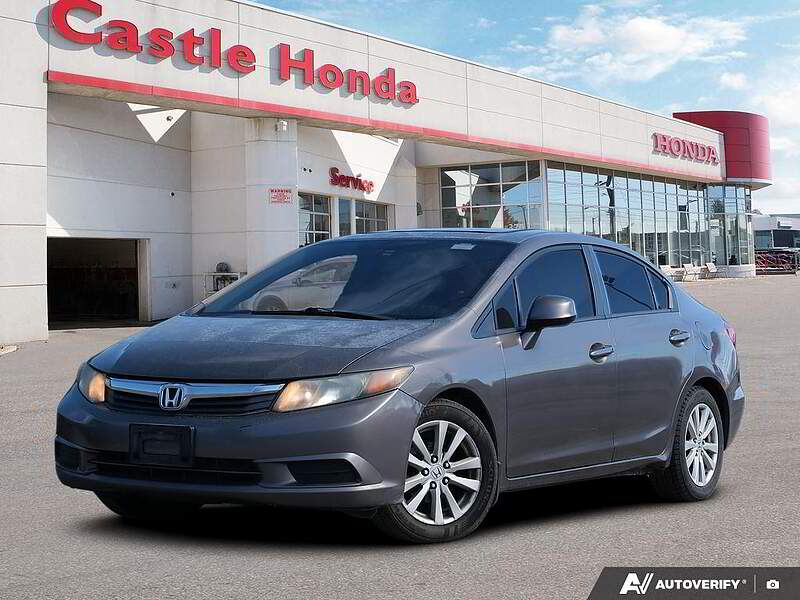
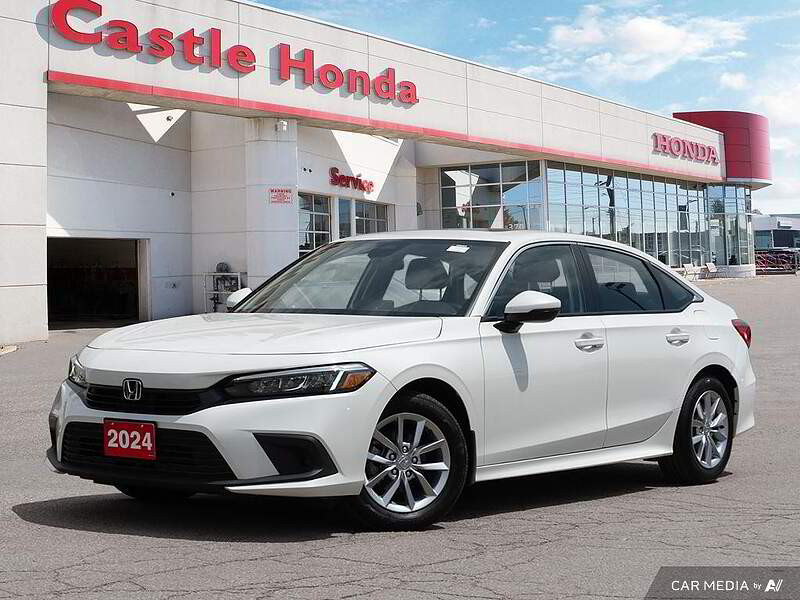
Envix's engine is a 3-cylinder. The functions of the engine are: 1. To fully burn the fuel input into the cylinder and generate power; 2. To determine the vehicle's power, fuel economy, stability, and environmental friendliness. Taking the 2021 Civic as an example, its body dimensions are: 4517mm in length, 1799mm in width, 1434mm in height, with a wheelbase of 2700mm and a fuel tank capacity of 47 liters. The front suspension of the 2021 Civic is a MacPherson independent suspension, and the rear suspension is a multi-link independent suspension. It has a maximum horsepower of 177ps, a maximum power of 130kw, a maximum torque of 220nm, and is matched with a continuously variable transmission.


I've driven the Envix, which is equipped with a 1.0-liter three-cylinder turbocharged gasoline engine. This three-cylinder design was meticulously crafted by Honda to enhance fuel efficiency, delivering excellent fuel economy in daily driving with an average fuel consumption of around 5 liters per 100 kilometers, making it particularly practical for city commuting. The turbocharging technology compensates for any lack of power, providing quick acceleration response and effortless hill climbing. However, three-cylinder engines have a minor drawback—slight vibration at idle, but Honda has optimized this with a balance shaft, ensuring a smooth driving experience. Compared to four-cylinder engines, it's more compact, reducing the overall vehicle weight and enhancing handling agility. I've taken it on the highway, and the power is strong enough for overtaking, giving an overall impression of being economical and reliable.

I think the 1.0T three-cylinder engine in the Envix performs quite well in terms of driving experience. For daily commuting, the start is smooth, and the engine noise is well controlled, with barely any buzzing sound, thanks to Honda's vibration reduction technology. In terms of power, the turbo kicks in early, and the car accelerates quickly with a press of the throttle, making overtaking in the city effortless. The low fuel consumption really saves money—I drive about 1,000 kilometers a month, and the fuel cost is just a few hundred yuan, much cheaper than some four-cylinder cars. Over long-term use, the engine has had no issues, and maintenance is simple, requiring little professional knowledge to check the oil and filters myself. Overall, as a daily commuter, it's reliable and worry-free.

From an economic perspective, the Envix's three-cylinder engine design aims to save fuel costs and reduce emissions. I've driven it over 30,000 kilometers with an average fuel consumption of just 5.5 liters per 100 km, which gives it a clear advantage in congested urban areas. The small-displacement engine combined with turbocharging delivers stable power output and responsive acceleration, fully meeting the needs of ordinary families. It also performs well in environmental protection with high emission standards, and I even received a purchase subsidy when buying it. Compared to four-cylinder vehicles that may consume more fuel, this three-cylinder engine truly achieves a balance between cost-effectiveness and efficiency.

The Envix is equipped with a 1.0T three-cylinder turbocharged engine, reflecting Honda's response to the trend of energy efficiency. In the brand's history, Honda has gradually shifted from early large-displacement engines to smaller-displacement, high-power units, with the Envix being a prime example. Compared to the Civic's four-cylinder engine, it places more emphasis on urban driving practicality and cost control. I've test-driven it, and the performance doesn't compromise—thanks to optimized cylinder layout and intake systems, it delivers best-in-class performance. The pricing is also very affordable, with a low entry barrier and high resale value in the used car market. As a Honda fan, I believe it carries on the brand's legacy of efficiency.

After years of driving, the three-cylinder engine of the Envix has proven to be quite reliable and low-maintenance. The engine design is simple, with one less cylinder, making maintenance tasks like changing spark plugs easy to do myself without visiting a repair shop. I haven’t encountered any major issues—just regular oil changes and air filter replacements are enough for daily use. The low fuel consumption is a big plus, as frequent driving doesn’t strain the budget, and even with the AC on in summer, the power doesn’t drop. Don’t skip regular check-ups, as they help extend the engine’s lifespan. Overall, this three-cylinder engine is ideal for practical-minded owners, offering an economical and durable driving experience.