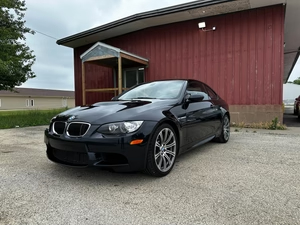
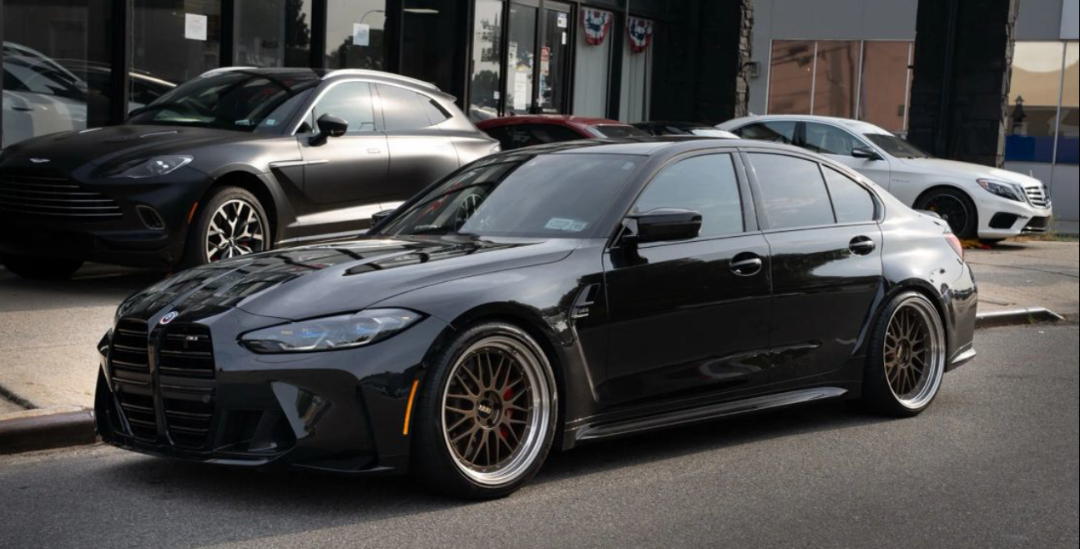
The 7 Series is available with inline-four, inline-six, V8, and V12 engine configurations, varying by model. Taking the 2019 BMW 7 Series as an example, it falls under the full-size luxury sedan category with dimensions of 5273mm in length, 1902mm in width, and 1498mm in height, featuring a wheelbase of 3210mm, a fuel tank capacity of 78 liters, and a curb weight of 1911kg. The 2019 model employs a double-wishbone front suspension and a multi-link rear suspension. It is powered by a 2.0L turbocharged engine delivering 265 horsepower (265PS), with maximum power output of 195kW and peak torque of 400Nm, paired with an 8-speed automatic transmission.

The 7 Series offers a remarkable variety of engine cylinder configurations, which vary significantly across different models. The base model like the 730i typically employs an inline-six engine, striking a balance between performance and fuel efficiency, delivering smooth and economical driving. Stepping up to the 750i, you might find a V8 engine under the hood—eight cylinders provide substantially more horsepower for exhilarating acceleration, though at a slight cost to fuel economy. The range-topping variants, such as the former 760Li, once featured a V12 powerhouse—twelve cylinders representing flagship-level refinement with ultra-smooth operation, albeit with higher maintenance costs. Many modern iterations are transitioning toward hybrid technology; take the 740e as an example, which combines a six-cylinder engine with an electric motor—reducing pure cylinder count while maintaining output. Cylinder count impacts multiple aspects: fewer cylinders suit daily commuting for better fuel economy, whereas more cylinders cater to speed enthusiasts and driving pleasure. When choosing, prioritize your actual needs over cylinder count alone—engine technology and tuning play equally pivotal roles.

I once drove my friend's 7 Series 750, and that V8 engine was truly exhilarating—the deep rumble at startup alone got my blood pumping. The difference in cylinder count makes a huge impact: the six-cylinder version is quiet and smooth, perfect for stress-free commuting, while the twelve-cylinder delivers intense acceleration but guzzles fuel and feels cumbersome in city driving. Cylinder count also affects maintenance; my friend mentioned the eight-cylinder requires slightly pricier upkeep with more parts to replace. In terms of driving dynamics, more cylinders mean quicker power response—for instance, when overtaking, the eight-cylinder's throttle reaction is noticeably sharper. BMW's engine design has always been reliable, delivering smooth performance regardless of cylinder count. When choosing a car, I recommend test-driving multiple variants to experience the differences cylinder numbers make.

The history of the 7 Series is quite fascinating, with its cylinder count evolution reflecting technological progress. In the early years, models like those from the 1990s primarily featured six-cylinder engines, with inline configurations being BMW's forte—reliable and efficient. Later, eight-cylinder and twelve-cylinder versions were introduced, such as V8 and V12 engines, enhancing luxury and performance, particularly in flagship models that emphasized status. However, with tightening environmental regulations in recent years, twelve-cylinder engines have become less common. The 2020s series mainly focuses on six-cylinder engines, like the 740i hybrid version, which reduces cylinder count while adding electric motors to balance power and fuel efficiency. Future trends may lean more toward pure electric vehicles, making the concept of cylinder counts less relevant. These changes in cylinder numbers mirror the automotive industry's shift toward prioritizing energy efficiency, transitioning from multi-cylinder luxury to practical, high-efficiency solutions.

When choosing the cylinder count for a 7 Series, I often consider economic factors. For example, the six-cylinder engine in the 730i has a fuel consumption of around 8-10L/100km, which is relatively fuel-efficient and suitable for commuting. The eight-cylinder version, like the 750i, consumes 12-15L/100km, significantly increasing fuel expenses. Insurance and taxes also rise with higher cylinder counts, with eight-cylinder cars having notably higher insurance costs than six-cylinder ones. In terms of maintenance, engines with more cylinders have more parts and are prone to minor issues. A friend mentioned that even changing spark plugs is more expensive for an eight-cylinder engine. Modern hybrid models like the 745e combine an electric motor, reducing cylinder count while maintaining strong output and better fuel efficiency, making them more cost-effective in the long run. If budget is limited, a six-cylinder is sufficient, but if performance is a priority, the eight-cylinder is worth the extra cost.

The number of cylinders in a 7 Series engine represents the essence of the brand. The six-cylinder is the classic starting point, embodying BMW's engineering aesthetics with precision and efficiency; the eight-cylinder upgrades the sporty style, with thrust and sound attracting enthusiasts; the twelve-cylinder was once the pinnacle of luxury, symbolizing status and ultimate smoothness. The number of cylinders influences the car's character: fewer cylinders offer comfort and restraint, while more cylinders bring passion and excitement, with BMW renowned for its smooth tuning regardless of cylinder count. In the luxury car circle, cylinder count is often discussed as a performance indicator, but modern cars focus more on the overall experience, such as hybrid technology. Many who have driven the V8 version praise its feedback, as the driving pleasure brought by the cylinder count is hard to replace.