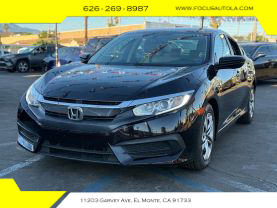
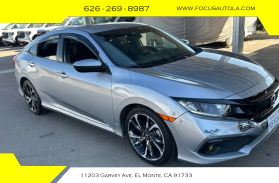
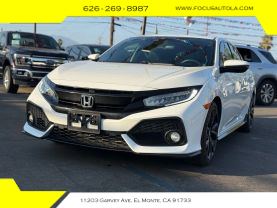
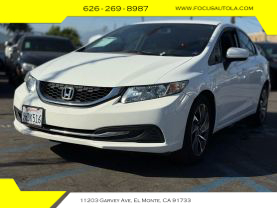
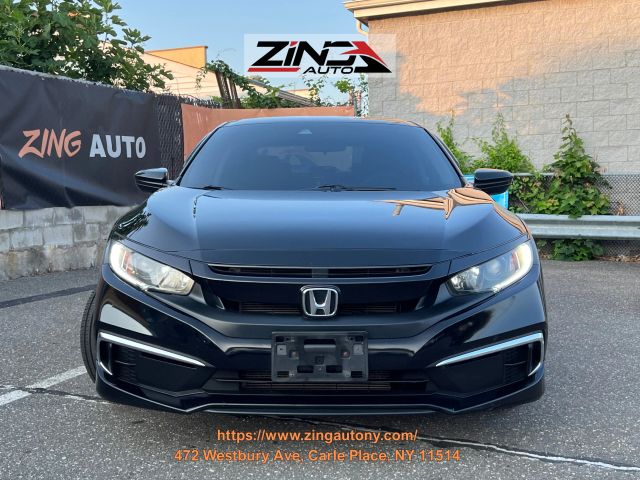
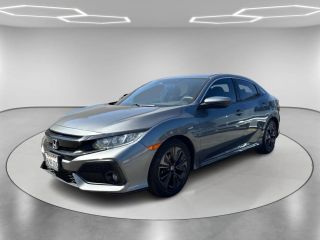
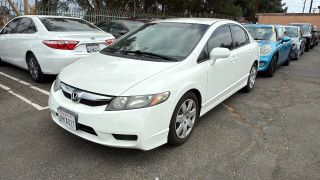
Civic is equipped with two types of engines, each with a different number of cylinders: 1. A 1.0-liter turbocharged engine, which is a three-cylinder engine. 2. A 1.5-liter turbocharged engine, which is a four-cylinder engine. Additional information: 1. Exterior. The Civic incorporates a large number of black elements, such as the black front grille, side skirts, newly added small spoiler, and glossy black alloy wheels. The new model offers two exterior designs, with the main updates being the body color options and front bumper styling compared to the current model, further enhancing the sporty feel. 2. Body dimensions. The length, width, and height are 4658/1800/1416 mm, with a wheelbase of 2700 mm. 3. Body colors. The new model is available in six colors: Phoenix Yellow, Lunar Silver, Dark Blue, Rallye Red, Sonic Gray, and Crystal White. The interior offers three color schemes: Black, Beige, and Brown.

I noticed that Civic models mostly come with four-cylinder engines, such as the common 1.5-liter or 1.8-liter displacement versions, which offer smooth driving and fuel efficiency. This is a classic Honda design found in most standard models, maintained from older to newer Civic entry-level versions. Of course, there are high-performance variants like the Civic Type R, which still uses a four-cylinder engine but adds a turbocharger for more power without increasing the number of cylinders. The hybrid Civic also pairs a four-cylinder engine with an electric motor, enhancing fuel efficiency. Overall, the four-cylinder engine strikes a good balance between performance and fuel consumption, and it's relatively simple to maintain, with fewer major issues. I've driven a friend's Civic a few times—it accelerates steadily with low noise, making it very practical for daily commutes. If you have any doubts, it's best to check the car's manual or consult a local dealer, as there might be minor variations based on the model year or regional versions, but over 90% of them come with four cylinders.

The Civic engine typically has four cylinders, a design well-suited for family vehicles. Based on my personal experience, the four-cylinder engine excels in fuel efficiency, averaging around 6 liters per 100 kilometers, and runs smoothly with minimal vibration. Most Civic models, such as the EX or LX, come with this configuration. may have introduced some variants, like diesel or hybrid versions, but the mainstream options in the Chinese and U.S. markets remain the four-cylinder. I recommend checking the label on the engine cover when purchasing to easily confirm the specifications. Over the long term, this type of engine has a low failure rate, and regular maintenance, such as oil changes, ensures longevity. If you're interested in boosting performance, aftermarket parts can enhance acceleration, but the stock setup is already excellent. In summary, four cylinders are the standard for the Civic—reliable and cost-effective.

The Civic's engines are basically all four-cylinder. This car is really cool, with its four-cylinder engine like the 1.5T Turbo in the Type R delivering insane horsepower. The core is Honda's i-VTEC technology, making it responsive in acceleration and fuel-efficient. I remember some older models like the Civic Si also maintained the four-cylinder tradition. In the market, there are occasional variations like high-performance versions, but the mainstream hasn't changed. It offers that pure driving feel—the four-cylinder design keeps the body lightweight and leaves plenty of room for modifications. I test-drove it once, and revving it up sounded amazing!

The Civic engine standard is a four-cylinder design, commonly an inline-four configuration, such as the 1.5-liter displacement paired with an efficient combustion system. has optimized the engine structure to ensure smooth power output and fuel economy, with fuel consumption data around 5.5-7 liters per 100 kilometers. This setup is suitable for both city roads and highway driving, offering quick response. There is also a hybrid Civic that enhances performance with a four-cylinder engine plus an electric motor. In terms of maintenance, regular cleaning and checking the spark plugs are essential to prolong engine life. The engine cooling system is also easy to manage to prevent overheating.

Most Civic engines come with four cylinders, and this is the most common configuration you'll find when a new car at the dealership—it's economical and practical. You can confirm this by checking the vehicle's nameplate or user manual. The four-cylinder design ensures quick starts and low noise, making it ideal for long-term commuting. It also offers good fuel efficiency and simple maintenance, with regular air filter replacements being the primary requirement. If you have any doubts, contact a Honda service center directly—they can help verify the model to avoid any misunderstandings. Additionally, when considering a purchase, prioritize the four-cylinder version for reliable and hassle-free daily driving.