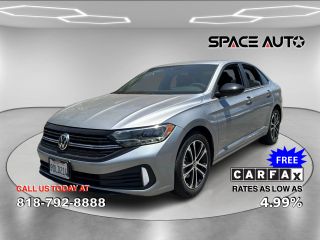
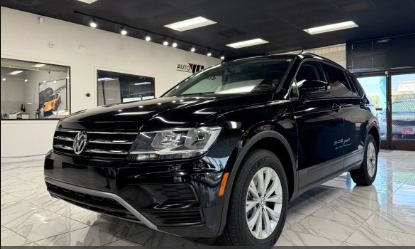
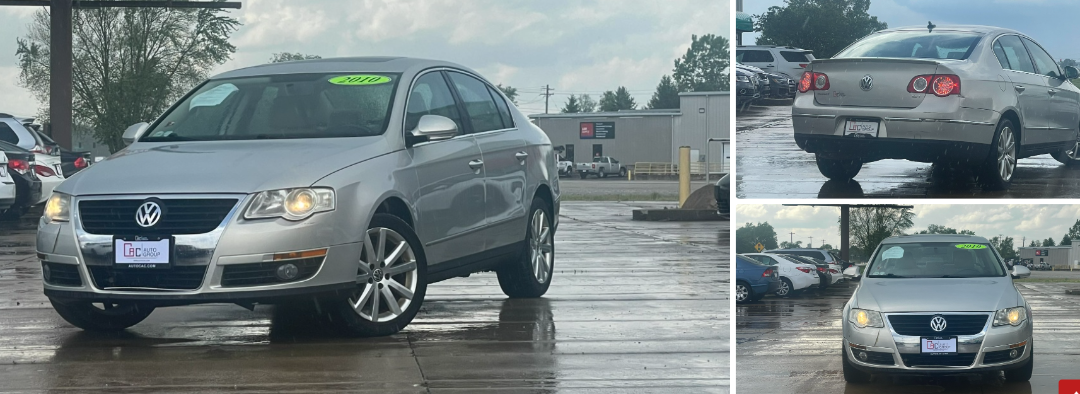
wet dual clutch lasts for 20 years. The working principle of the wet dual clutch: it has two clutches, one controls gears 1, 3, and 5, and the other controls gears 2, 4, and 6. When using gear 1, gear 2 is already prepared, greatly reducing the shifting time. Volkswagen models include: Volkswagen Phaeton, Volkswagen Magotan, Volkswagen Lavida, Volkswagen Sagitar, Volkswagen Bora, etc. Taking the 2013 Volkswagen Phaeton as an example, it is a large car with body dimensions of: length 5179mm, width 1903mm, height 1450mm, wheelbase of 3001mm, and a body weight of 2260kg.

As a owner, I've been driving a wet dual-clutch transmission car for nearly a decade, and I feel its lifespan isn't short. Under normal driving conditions, it can generally last over 150,000 kilometers, provided that the clutch fluid is changed and maintenance is performed on time. I drive more smoothly myself, avoiding sudden starts and stops in heavy traffic, which reduces clutch wear. Extreme conditions like high temperatures or heavy loads can shorten its lifespan, possibly reducing it to around 100,000 kilometers. An old buddy of mine has driven his smoothly up to 120,000 kilometers—the key is to keep a close eye on maintenance records and check the fluid quality every 50,000 kilometers. Extending its lifespan isn't difficult.

From a technical perspective, Volkswagen's wet dual-clutch design is quite reliable. The clutch is immersed in oil, which provides better heat dissipation and a longer lifespan compared to dry types. It typically lasts 100,000 to 150,000 kilometers without issues, but requires timely oil changes every 60,000 kilometers; otherwise, deteriorating oil quality accelerates wear. Driving habits significantly impact its longevity—frequent low-speed crawling or aggressive acceleration increases stress, while smooth driving can extend its service to higher mileages. Based on my research of user reports, well-maintained units have reached 200,000 kilometers in some cases. Paying attention to road conditions and regular inspections is crucial.

Having worked in car repairs for nearly 20 years, I've observed that common wet dual-clutch issues in vehicles typically emerge between 80,000 to 120,000 kilometers. Replacing the clutch is a frequent task but comes with significant costs. I recommend regular fluid changes and avoiding prolonged driving in congested urban areas to minimize friction. On average, these clutches last about 100,000 kilometers, though good vehicle condition can extend this. Cars with well-documented maintenance records tend to be more durable. Using cruise control to avoid frequent gear shifts also helps.

As a regular car buyer concerned about transmission lifespan, I researched and found that Volkswagen's wet dual-clutch transmissions have a decent reputation. They can typically last over 120,000 kilometers with proper and timely oil changes. City driving causes faster wear, so it's better to avoid it when possible, while highway cruising is more worry-free. Following the manual's recommendation of servicing every 50,000 kilometers, my clutch has remained stable for 5 years. For high-mileage used cars in the market, it's essential to check the maintenance history. Choosing the right driving style won't hold back the transmission's lifespan.

Compared to manual or other transmissions, Volkswagen's wet dual-clutch is considered durable among automatic cars. With good heat dissipation design and long lifespan, it generally lasts around 140,000 kilometers. Having driven various models, I find this one more reliable during long-distance driving, but shouldn't be neglected. Change fluids more frequently to avoid frequent urban short-distance starts. With proper driving, it can easily last 15 years – the key factor affecting lifespan is daily driving habits.