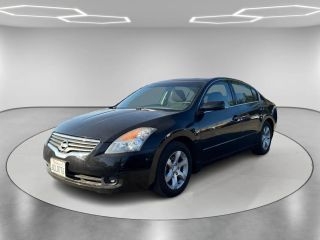
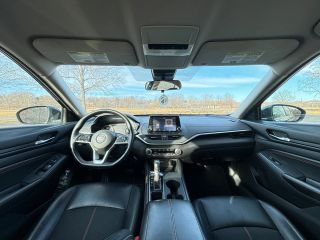
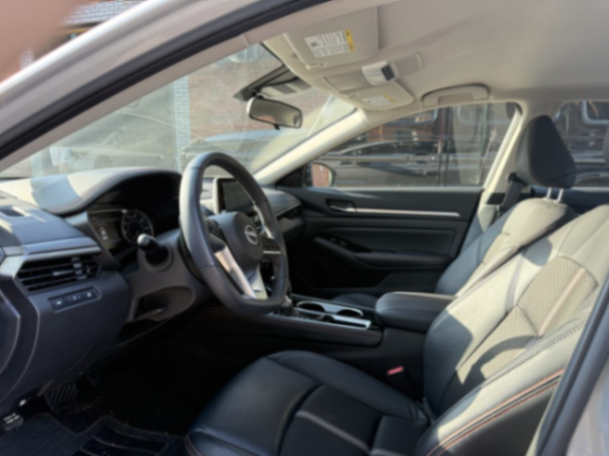
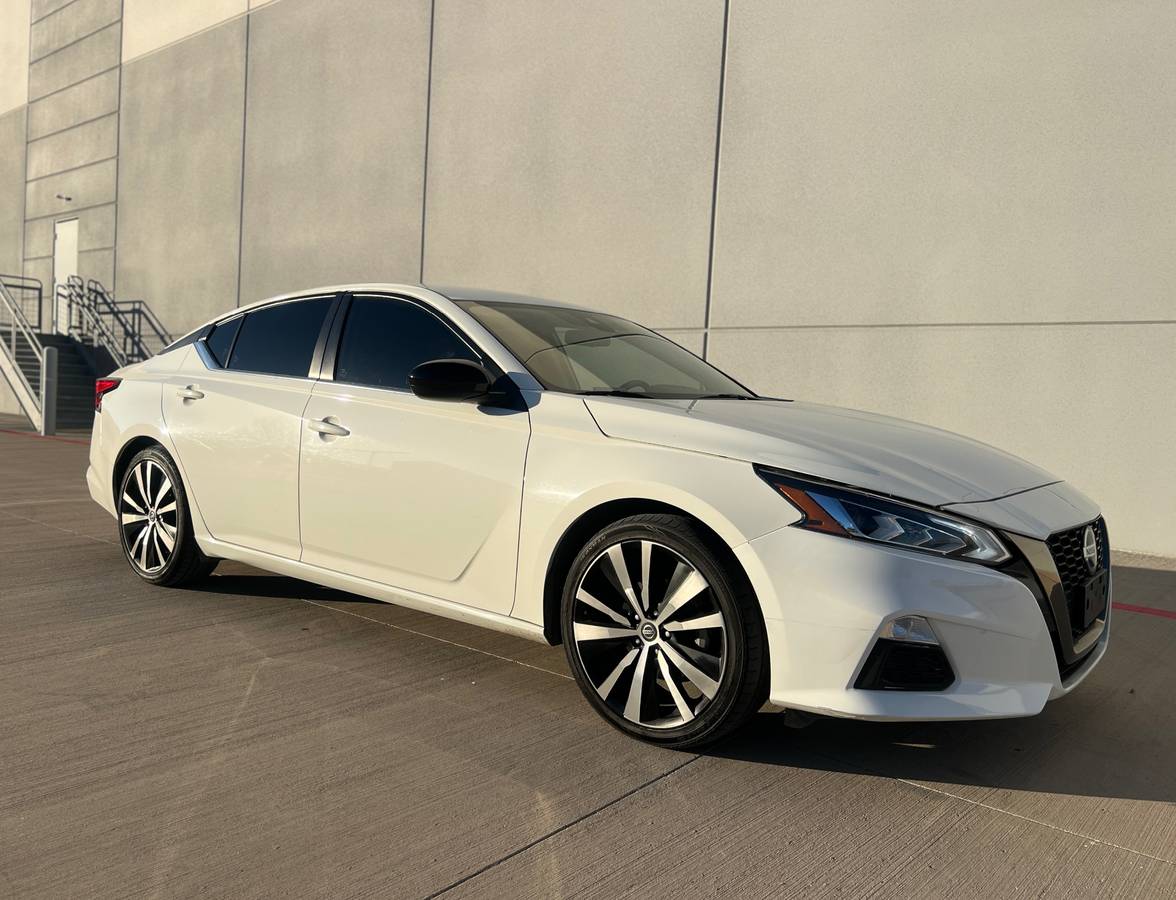
Yes, fitting three car seats across the back seat of a Nissan Altima is possible, but it is challenging and highly dependent on the specific type and width of the car seats. The Altima is a midsize sedan with a typical rear bench width of about 54-55 inches. For a successful installation, you will need to use a combination of narrow-profile car seats and likely utilize the vehicle's seat belt system instead of the lower LATCH anchors for at least one seat.
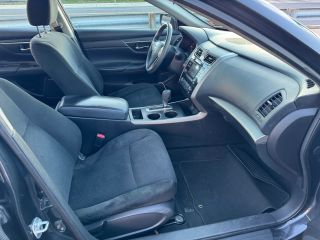
The primary challenge is the contouring of the rear seats. The Altima's bench is designed for two adults to sit comfortably, meaning the two outboard seats are deeply bolstered. The center seat is often narrower and elevated, which can cause wider car seats to overhang and prevent a secure, tight fit. You cannot have three car seats all installed using the lower LATCH anchors, as these are only provided for the two outboard seating positions. The center seat must be secured using the vehicle's seat belt, which is equally safe when installed correctly.
Key Considerations for a Successful Fit:
- Car Seat Width: This is the most critical factor. You need narrow car seats, often referred to as "3-across" seats, which are typically 17 inches wide or less.
- Seat Belt Installation: Be prepared to use the seat belt for the center seat installation. Practice this method to ensure you can get a rock-solid installation.
- Car Seat Types: The combination of seats matters. For example, three convertible seats are the widest and most difficult. It's often easier if one or more of the seats is a narrower backless booster or an infant seat with a narrow base.
Here is a comparison of some popular narrow-profile car seats known to work in 3-across configurations:
| Car Seat Model | Type | Approx. Width | Key Feature for 3-Across |
|---|
| Diono Radian 3RXT | Convertible | 17 inches | Very narrow, steel frame, folds for travel |
| Graco SlimFit3 LX | Convertible | 18 inches | Compact design, often works well |
| Chicco KeyFit 35 | Infant | 17 inches (base) | Narrow infant seat base |
| BubbleBum | Booster | 11 inches (inflatable) | Inflatable backless booster for maximum space |
| Clek Foonf | Convertible | 19 inches | Rigid LATCH, though wider, can sometimes fit |
The most reliable advice is to take your specific car seats to the dealership or a store and attempt the installation yourself before making a final decision. You can also consult a Child Passenger Safety Technician (CPST) for professional assistance.