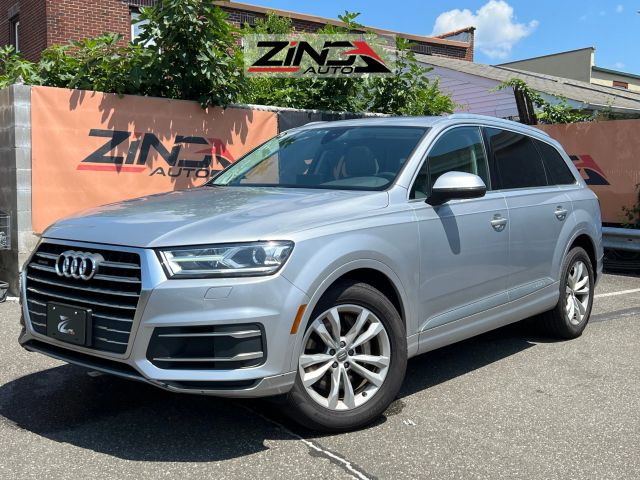
Audi's original factory currently only equips the R8 and TT models with run-flat tires; other models do not use run-flat tires. More information about run-flat tires is as follows: 1. Introduction: Run-flat tires are technically known as pressure-retaining tires, abbreviated as RSC. The inflated tire sidewall is the main part supporting the vehicle's weight, especially for tires with a larger aspect ratio, where the sidewall is very thick. Severe tire blowouts usually cause the sidewall to collapse instantly, leading to an immediate loss of support and a sudden change in the vehicle's center of gravity. This is particularly dangerous for front-wheel-drive vehicles experiencing a front tire blowout, as the sudden shift in the center of gravity can cause the vehicle to lose control. The run-flat tire consists of an outer tire, a standard inner , a spare inner tube, a steel rim, a gas generator (or gas storage chamber), a pressure sensor, and a control unit. 2. Function: RSC technology represents a significant advancement in safety and comfort. Even when tire pressure is completely lost, RSC allows the driver to continue driving at moderate speeds without having to stop in potentially hazardous locations due to a flat tire, such as narrow and dangerous spots, curves, highway construction zones, tunnels, etc.

Audi's tire configuration actually doesn't include run-flat tires as standard on all models. Based on my research of many vehicle specifications, entry-level models like the A3 and A4 generally come with standard tires from the factory, not run-flats. However, if you opt for higher trim levels such as the RS series or SUVs like the Q7 and Q8, offers run-flat tires as an optional extra that requires additional payment. The advantage of run-flat tires is that they allow you to drive for dozens of kilometers after a puncture, which is safer. The downside is they're more expensive, feel harder during driving, and offer less comfort. When buying a used or new car, it's advisable to check the user manual or look for the RFT marking on the tire sidewall so you know what you're getting. Regular maintenance should also pay attention to tire pressure, as run-flat tires have stricter pressure requirements; otherwise, problems can easily occur.

My neighbor owns an A6, and when he bought it, the tires were regular ones, not run-flats. I asked him about it, and he said Audi generally doesn't include run-flat tires as standard unless you specifically request them or opt for the top trim. I've also driven my friend's SQ5, which came with run-flat tires, and it's definitely more reassuring on the highway. But honestly, run-flat tires are expensive—replacing one can cost several thousand yuan. If you're worried about hassle, you could keep an air pump or tire repair kit in your car. Audi doesn't uniformly equip cars with run-flat tires; it depends on the specific model and year. Sometimes, newer e-tron electric models come with them. Anyway, it doesn't hurt to ask around.

Run-flat tires can reduce the risk of accidents by preventing loss of control during a blowout. offers them on some high-safety requirement vehicles. However, in standard configurations, most Audis still come with regular tires. It is recommended that owners regularly inspect their tires and replace them promptly when worn.

If you're considering an Audi, pay attention to the tire issue. Audi vehicles usually don't come with run-flat tires pre-installed; it depends on the model and configuration options. For example, selecting a sports package might include run-flat tires. But basic models like the A1 or A3 come with standard tires. When purchasing, it's best to clarify with the salesperson, and if budget allows, opt for the run-flat tire option. For daily use, regular tires are cheaper and easier to replace, while run-flat tires offer more safety but come with higher maintenance costs. Don't forget to check the vehicle's documentation to confirm the tire type.

When I was young and driving, I also wondered if cars came with run-flat tires, but that's not necessarily the case. A common misconception is that luxury cars are all equipped with run-flat tires as standard, but most Audi models actually come with regular tires from the factory. It depends on which model you have—for example, the S series might have them, while the A series generally does not. Run-flat tires are marked with special symbols on the sidewall, making them easy to identify. When it comes to cars, don’t just rely on the brand; check the specific configuration for a more accurate answer.