···
Log in / Register

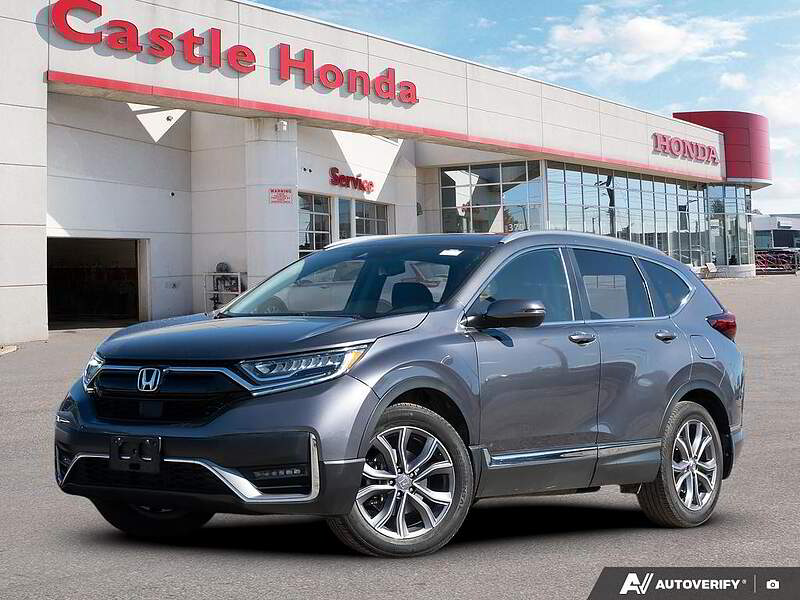
Can the Honda CRV automatically lock after the driver leaves?

6Answers
VonParker
07/29/2025, 07:51:50 AM

The Honda CRV Fengshang model does not have an intelligent automatic locking feature, while the Comfort version is equipped with an automatic locking function. The reason why the Honda CRV does not have an automatic locking function is: To prevent the automatic locking feature from hindering the timely escape of occupants in the event of an accident. Under normal circumstances, it can help avoid passengers accidentally opening the door or young passengers unintentionally opening the door, which could be dangerous. However, in the event of an accident, it could become a major obstacle to the timely escape of occupants, as the automatic locking feature might impede rescue efforts. Disadvantages of the automatic locking feature in cars: The central locking system is a combination of mechanical and electronic devices. In the event of a crash, if the electronic components fail, occupants can still open the door and escape (provided the door lock is not damaged). However, if all occupants inside the car are unconscious, rescuers outside would need to spend more time opening the door.

Was this review help?
109
Share
LaMiles
08/13/2025, 04:57:54 PM

As a parent who prioritizes family safety and has driven a Honda CR-V for several years, I’d like to share about the Walk Away Auto Lock feature available in the latest models like the 2023 CR-V. This system automatically locks the car when you walk away with the key. Setting it up is simple: just enable the Auto Lock option in the steering wheel menu. I find this feature incredibly convenient—for instance, when parking at the park to play with my kids, the car locks itself as long as the key is in my pocket, eliminating worries about forgetting to lock the doors and preventing kids from accidentally opening them. It also acts as a theft deterrent by keeping potential thieves from accessing the car. However, remember to check the key fob battery regularly to avoid it dying. Older CR-V models might not have this feature, so it’s wise to confirm the specs before purchasing. I highly recommend all owners enable this—safety first, especially in busy urban environments.

Was this review help?
3
Share
Expand All
McAmy
10/08/2025, 03:01:27 AM

I'm fascinated by automotive technology. The auto-locking mechanism in the Honda CRV is part of the smart key system. When the key is carried beyond a certain distance from the car (typically 3-5 meters by default), the doors automatically lock. The setup is usually done by accessing the vehicle options through the center console screen to activate Auto Lock. This feature prevents forgetting to lock the car, and I find it highly convenient in daily use. For example, when I hurriedly get out of the car to pick up groceries at the supermarket, I can walk away without looking back and hear the locking confirmation sound after a few steps. However, it's important to note that the key shouldn't be too close to avoid misjudgment, and the feature may fail when the battery is low. I make it a habit to check the key battery condition monthly. Older CRV models without this feature require manual locking using the remote, which, while not as convenient as the automatic system, is equally reliable. In terms of security, the CRV performs well overall, with the auto-lock being just an added bonus.

Was this review help?
1
Share
Expand All
VonAndrew
11/21/2025, 03:20:44 AM

Just got the new Honda CRV and found it automatically locks when you walk away—such a thoughtful feature. With the key on me, the car locks instantly a few meters away, and it's just a button in the car's menu. I used to worry about forgetting to lock the car, but now it's secure the moment I turn around, especially handy at the gym or shopping. I don't have to do anything—effortless and worry-free. Modern cars should be this smart. Just make sure the key is in the right place and not left inside to avoid awkward situations. Most new CRVs come with this setup—comfortable to use and highly recommended.

Was this review help?
11
Share
Expand All
DeSerenity
01/11/2026, 10:08:38 PM

As a driver who is often on the road, the walk-away auto-lock feature of the Honda CR-V is very practical for me. The latest models support this function—the car locks automatically when the key is out of range, and it can be quickly enabled in the settings. I frequently park at shopping malls or drop off passengers, so the auto-lock feature when leaving the car prevents accidental unlocking or thieves trying the doors, saving me the hassle of repeatedly pressing the remote. For example, during weekend shopping trips, I can walk away with the key in my pocket and feel at ease while running errands. However, it's important to test whether the distance is reliable—I've personally verified that the key range is accurate. If this feature isn't available, using the traditional locking method is equally safe, as the CR-V's anti-theft system is solid with no major issues. Overall, it enhances the sense of security while driving.

Was this review help?
6
Share
Expand All
Hubert
04/08/2026, 02:06:01 AM

As a seasoned driver, I'm familiar with both the old and new models of the Honda CRV. The newer models indeed feature an automatic locking technology based on key sensing—once you walk beyond a preset distance, the car locks automatically. The setup process is straightforward; just refer to the vehicle manual to activate the option. The benefit is preventing accidental door lock omissions, ensuring safety during urgent stops. However, not all models come with this feature; older versions might lack it, so it's essential to verify your model's specifications. Additionally, the sensing may fail if the battery is low, so I recommend regularly replacing the key battery without delay. The CRV's advancements in such small details reflect safety improvements, making it worth using to reduce risks.

Was this review help?
4
Share
Expand All
More Q&A

How Many Cars Can One Person Finance?

In reality, auto loans typically allow for the purchase of one to two vehicles. However, in principle, as long as the borrower has sufficient repayment capacity and meets the loan conditions, there is no limit to the number of cars that can be purchased. That said, taking out a loan increases an individual's debt-to-income ratio. The higher this ratio, the lower the approval rate for subsequent loans. Conditions for Auto Loans: Age between 18 and 60 years. Ability to repay the principal and interest, along with a stable income source. The monthly loan payment must not exceed 60% of the household's disposable income. A third-party individual must provide a guarantee for the repayment of the loan principal and interest. The loan term must include a one-time purchase of "Motor Vehicle Consumer Loan Guarantee Insurance" and continuous coverage of "Motor Vehicle Insurance" from a bank-approved insurance provider. Documents Required for Auto Loans: Loan application form. Original and photocopy of ID card, household registration, or other valid residency documents. Proof of occupation and income, including but not limited to income certificates from employers, bank statements, credit card statements, tax payment proofs, etc. Purchase agreement, contract, or letter of intent signed with the dealer. Documents required for guarantees, including lists of collateral (pledges) and proof of consent from the owner (including co-owners) for collateral or pledge; proof of ownership or usage rights of the collateral issued by the relevant authority, written appraisal (based on the vehicle invoice price and market price), and insurance agreement documents. For pledges, the pledged item or proof of rights must be provided. For guarantors, a guarantee contract agreeing to joint liability and relevant creditworthiness materials, or documents proving eligibility for unsecured loans. Proof of the down payment made. Additional documents as required by the branch.
101
Share

What is a motor vehicle?

Motor vehicles refer to wheeled vehicles that are driven or towed by a power device, operate on roads, and are used for passenger transportation, goods delivery, or specialized operations. This includes automobiles and automobile trains, motorcycles and mopeds, tractor transport units, wheeled special-purpose machinery vehicles, and trailers, but excludes any vehicles running on tracks. According to national safety inspection standards for motor vehicles, they can be classified into the following types: 1. Large automobiles: Vehicles with a total mass exceeding 4,500 kilograms, a length of 6 meters or more, or seating capacity for 20 or more people. 2. Small automobiles: Vehicles with a total mass of 4,500 kilograms or less, a length under 6 meters, or seating capacity for fewer than 20 people. 3. Special-purpose automobiles: Vehicles equipped with specialized devices for specific uses, such as sweepers, instrument vehicles, postal vehicles, and truck cranes. 4. Special vehicles: Emergency vehicles with special purposes, including fire trucks, ambulances, engineering rescue vehicles, police vehicles, and accident investigation vehicles. 5. Trams: Electrically driven vehicles with current collectors that operate on tracks. 6. Trolleybuses: Electrically driven vehicles with current collectors and equipped with tires or wheels. 7. Battery-powered vehicles: Electrically driven vehicles powered by batteries. 8. Three-wheeled motorcycles: Motor vehicles with three wheels and a total mass under 750 kilograms. 9. Two-wheeled motorcycles: Motor vehicles with two wheels, an engine cylinder capacity of 50 milliliters or more, and a maximum design speed exceeding 50 km/h. 10. Mopeds: Motor vehicles with two wheels, an engine cylinder capacity of 50 milliliters or less, designed for single riders, and a maximum design speed not exceeding 50 km/h. 11. Four-wheeled agricultural transport vehicles: Motor vehicles with four wheels, power not exceeding 28 kilowatts, load capacity not exceeding 1,500 kilograms, and a maximum design speed of 50 km/h or less. 12. Three-wheeled agricultural transport vehicles: Motor vehicles with three wheels, power not exceeding 9 kilowatts, load capacity not exceeding 500 kilograms, and a maximum design speed of 40 km/h or less. 13. Large steering-wheel tractors: Steering-wheel tractors with an engine power of 14.7 kilowatts (20 horsepower) or more. 14. Small steering-wheel tractors: Steering-wheel tractors with an engine power under 14.7 kilowatts. 15. Hand tractors: Wheeled tractors steered by handlebars. 16. Wheeled self-propelled special machinery: Special machinery designed with a speed of 10 km/h or more, equipped with pneumatic tires, and capable of self-propelled operation on roads. 17. Full trailers: Vehicles without their own power, independently load-bearing, and towed by other vehicles. 18. Semi-trailers: Vehicles without their own power, sharing the load with the towing vehicle and towed by it.
112
Share

What is the fuel consumption per 100 kilometers for the Toyota Corolla?

Toyota Corolla's combined fuel consumption ranges from 4.0-5.6L/100km. Currently, there are 12 models of Toyota Corolla available for sale. The S-CVT Pioneer PLUS version has a combined fuel consumption of 5.5L/100km. The S-CVT Luxury version, S-CVT Flagship version, Manual Pioneer version, and S-CVT Elite PLUS version have a combined fuel consumption of 5.6L/100km. The E-CVT Elite version and E-CVT Flagship version have a combined fuel consumption of 4.1L/100km. The SPORT version, CVT Elite version, and CVT Elite CARE version have a combined fuel consumption of 5.2L/100km. The CVT Pioneer version has a combined fuel consumption of 5.1L/100km. The E-CVT Pioneer version has a combined fuel consumption of 4L/100km. The above figures are the NEDC combined fuel consumption, which is the fuel consumption data measured under the NEDC test procedure. The actual fuel consumption is higher than these values, ranging from 2.0-10.5L/100km. The fuel consumption of a car is directly related to five major factors: driving habits, the car itself, road conditions, natural wind, and environmental temperature. Specific factors that can increase fuel consumption are as follows: Driving habits: Aggressive driving, such as sudden acceleration, frequent overtaking, and not easing off the throttle before a red light, can increase fuel consumption. The car itself: Cars with larger displacement generally consume more fuel than those with smaller displacement because larger displacement usually means higher power, requiring more gasoline to burn and perform work. Heavier cars also consume more fuel because greater weight requires more driving torque. Road conditions: Driving on dirt roads, muddy roads, soft surfaces, or mountainous roads increases resistance and fuel consumption. Natural wind: Driving against the wind or on windy days increases car resistance and fuel consumption. Low environmental temperature: When the engine block temperature is low, the gasoline injected during a cold start does not atomize easily, requiring more gasoline to be injected for combustion, which increases fuel consumption. Additionally, at low temperatures, the engine computer controls the engine to run at higher RPMs to warm up, which also increases fuel consumption.
102
Share

Will insurance cover the car if a tree falls on it during strong winds?

A tree blown down by strong winds damaging a car is covered by the insurance company if the vehicle has purchased comprehensive car insurance. More information about auto insurance is as follows: 1. Overview: Vehicle insurance, also known as motor insurance or auto insurance, refers to a type of commercial insurance that provides compensation for personal injury or property damage caused by natural disasters or accidents involving motor vehicles. 2. Other: Auto insurance is a category of property insurance and is relatively new in the field of property insurance. In the early stages of auto insurance, third-party liability insurance was the main coverage, which gradually expanded to include risks such as collision damage to the vehicle body.
112
Share

Consequences of Not Installing Headlight Dust Covers?

Long-term absence of headlight dust covers not only affects the vehicle's appearance but also severely impacts the headlights' illumination. Here is relevant information: 1. Halogen Headlights: Halogen headlights use reflective bowls to project light. Dust accumulation inside these bowls reduces brightness, impairing drivers' ability to accurately assess nighttime road conditions and potentially increasing accident risks. 2. Automatic Headlights: These systems automatically detect ambient light levels - activating when external brightness falls below a threshold and deactivating when it exceeds a certain value.
106
Share

Is it necessary to apply a roof film?

The necessity of applying a roof film depends on individual circumstances. Here are the specific functions of car films: 1. Good privacy: Generally, car films are one-way, which can protect the owner's privacy, but the owner needs to verify when choosing a car film. 2. Anti-explosion effect: In the event of an accident, the glass with a car film can stick together after breaking, avoiding the phenomenon of glass splashing, which is a protection for passengers. 3. Thermal insulation: High-quality car glass films can provide thermal insulation effects during use. In summer, they can effectively control the rise of interior temperature, and in winter, they can suppress the dispersion of heat inside the car, maintaining the interior temperature and creating a comfortable driving environment for the owner.
111
Share
Cookie
Cookie Settings
© 2025 Servanan International Pte. Ltd.