Browse

Log in / Register
 Share


Selling your house is a significant financial decision. In the 2026 real estate market, achieving a successful sale that maximizes your profit hinges on three key actions: setting a competitive price based on a Comparative Market Analysis (CMA), enhancing your home's curb appeal and interior staging, and strategically navigating the offer and closing process. Proper preparation and understanding the current market dynamics are the most critical factors for a seller's success. This guide provides a data-driven, step-by-step approach to help you make informed decisions from listing to closing.
The foundation of a successful sale is an accurate listing price. Setting a price too high can deter potential buyers, while pricing too low leaves money on the table. The most effective method is to obtain a Comparative Market Analysis (CMA). A CMA is a report prepared by a real estate agent that compares your home to similar properties recently sold, currently on the market, and those that failed to sell in your area. This analysis provides a data-backed price range reflective of the 2026 market.
Key factors in a CMA include:
Based on our experience assessment, sellers who price their homes within 1-3% of the CMA's recommended range often see faster sales and stronger initial offers.
Not all renovations are created equal. The goal is to make cost-effective improvements that appeal to the broadest pool of buyers. Focus on curb appeal and minor interior updates rather than major, personalized renovations.
| Improvement | Estimated Cost (2026) | Potential Return on Investment (ROI) |
|---|---|---|
| Professional Landscaping | $500 - $3,000 | High |
| Interior Paint (Neutral Colors) | $1,500 - $4,000 | High |
| Kitchen Cabinet Refacing | $4,000 - $9,000 | Medium-High |
| Bathroom Vanity Update | $500 - $2,500 | Medium |
| New Garage Door | $1,200 - $3,500 | High |
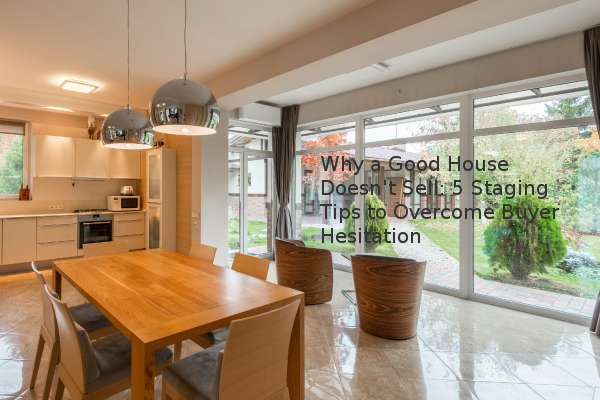
Staging your home is equally important. This involves arranging furniture and decor to highlight your home's best features and help buyers visualize themselves living there. Decluttering, deep cleaning, and ensuring each room has a defined purpose can make a substantial difference in how buyers perceive the value of your property.
Once your home is listed and showings begin, you will start receiving offers. An offer will include the proposed purchase price, contingencies, and a proposed closing date. Common contingencies include:
You can accept, reject, or counter an offer. Negotiations may involve the price, closing cost contributions, or the terms of the contingencies. Upon mutual acceptance, the property goes under contract and the closing process begins. This involves the buyer completing their due diligence, securing financing, and finally, the closing meeting, where the property's title (the legal document proving ownership) is transferred to the buyer in exchange for the funds. Sellers should be prepared for property transfer taxes, which are state or local fees incurred when ownership changes hands.
Successfully selling your home in 2026 requires a strategic approach focused on accurate pricing, strategic presentation, and informed negotiation. By understanding the key steps—from obtaining a CMA to preparing for contingencies—you can navigate the process with confidence. The most impactful actions you can take are to price competitively from the start and invest in high-ROI cosmetic improvements to ensure your property stands out in a competitive market.