Browse

Log in / Register
 Share

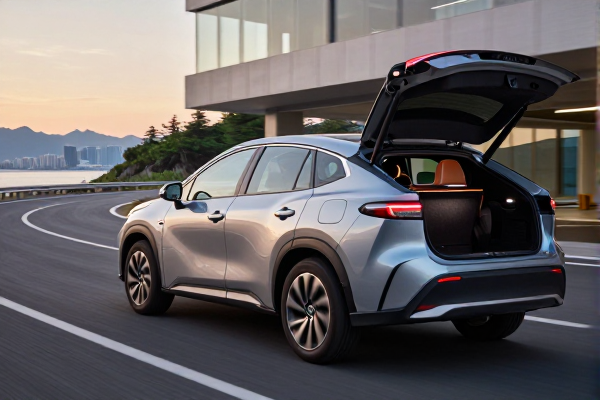
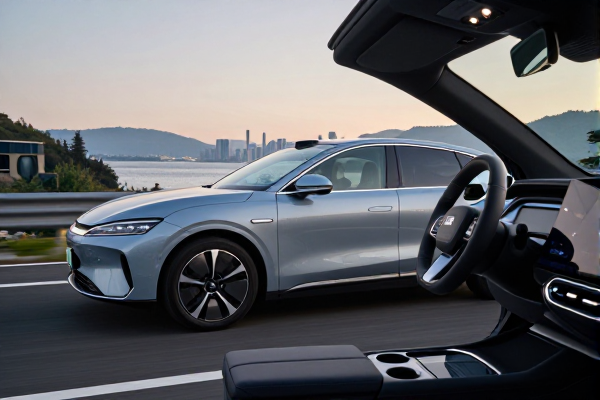
Toyota Motor Corporation has set a new target for its long-awaited solid-state battery technology, pinpointing a potential launch window of 2027-2028 within a flagship Lexus model. The automaker claims the breakthrough could deliver a driving range exceeding 620 miles (1,000 km) and recharge from 10% to 80% in approximately ten minutes, according to recent industry reports analyzed in May 2024. This announcement reignites the conversation around a technology often hailed as a potential game-changer for electric vehicle adoption, yet one fraught with repeated delays and technical hurdles.
The specific vehicle expected to debut this technology is reportedly the next-generation Lexus LFA, a spiritual successor to the brand's revered supercar. By introducing solid-state batteries in a low-volume, high-performance "halo" vehicle, Toyota is adopting a cautious, top-down strategy. This approach allows the company to manage the inevitably high initial costs and complex manufacturing processes associated with the new technology before attempting to scale it for mass-market applications. It mirrors the early rollout patterns of other advanced automotive technologies, such as carbon fiber construction or hybrid systems.
At its core, a solid-state battery replaces the liquid or gel electrolyte found in current lithium-ion batteries with a solid material. This fundamental shift promises several key advantages: higher energy density for more range in a smaller package, significantly reduced charging times, improved safety due to lower flammability, and potentially longer overall lifespan. For consumers, the real-world translation would be EVs that alleviate "range anxiety" with marathon-grade distance, refuel almost as quickly as gas cars, and might be lighter and more efficient.
However, the path from laboratory promise to production reality is notoriously difficult. The history of solid-state batteries is littered with prototypes that struggled with crippling issues like rapid degradation during charge cycles, poor performance in cold weather, exorbitant production costs, and challenges in manufacturing at scale. Toyota's own timeline is a testament to these difficulties; the company first pointed to a market-ready product around 2020, a target that has since been pushed back multiple times to the current late-2020s forecast. This pattern has bred significant skepticism among industry observers and consumers alike.
"Solid-state batteries are the 'holy grail' for a reason—they are incredibly hard to manufacture reliably and affordably," notes an industry analyst specializing in battery technology. "While Toyota's research is undoubtedly advanced, the leap to durable, high-yield mass production is the single biggest barrier every developer faces. The 2027-28 target is aggressive, and further slips would not be surprising." This expert perspective underscores the technical mountain that remains to be climbed, providing crucial context to Toyota's optimistic performance claims.
The competitive landscape is intensifying, which may accelerate progress. Toyota is not alone in this race. Chinese powerhouses like BYD and CATL are actively developing their own solid-state and semi-solid-state battery prototypes. In the United States, a host of startups and established players like QuantumScape (in partnership with Volkswagen) are pouring billions into research. This global scramble means multiple approaches are being tested simultaneously, increasing the odds that a viable solution will emerge. However, it also means Toyota's first-mover advantage is contingent on actually delivering a commercial product.
Beyond personal transportation, the implications of successful solid-state battery technology ripple outwards. More energy-dense, safer, and faster-charging batteries would revolutionize sectors like long-haul trucking, aviation for short-haul flights, and grid energy storage. For utilities and communities, advanced batteries could provide more resilient backup power during outages and better manage the intermittency of renewable energy sources like solar and wind, facilitating a cleaner grid.
For now, the automotive world is watching Toyota's next moves closely. The promised combination of 620+ miles of range and a 10-minute charge, if realized, would shatter current EV limitations. Yet, the prevailing sentiment, echoed in online forums and industry commentary, remains one of "belief upon sight." Toyota's challenge is no longer just about perfecting the cell chemistry in a lab, but about proving it can build them by the thousands, on schedule, and at a cost that makes sense. The countdown to 2027 has begun, but the clock has reset before.