Browse

Log in / Register
 Share

October 26, 2023 — The conversation around ditching fossil fuel appliances for electric alternatives is heating up nationwide. A common roadblock for many homeowners is the fear of being left in the cold—literally—during a power outage. However, the evolving landscape of home electrification, bolstered by significant financial incentives and resilient new technologies, is turning this concern into a manageable challenge while offering substantial health, economic, and environmental benefits.
The financial equation for electrification has shifted dramatically, thanks to an unprecedented surge in federal and utility incentives. Programs like the Inflation Reduction Act's Home Electrification Rebates, combined with enhanced utility rebates from providers like Xcel Energy, are making upgrades more accessible than ever. For instance, income-qualified households can now access thousands in upfront discounts for installing efficient cold-climate heat pumps, often making them a more cost-effective long-term choice than replacing an old gas furnace with a new one. Experts urge homeowners to act swiftly, as application windows for many state-level programs can be limited.
Beyond the wallet, the impact on your home's air quality is a compelling reason to switch. Gas stoves are a significant source of indoor air pollutants, emitting nitrogen dioxide and even benzene—a known carcinogen—during use. These contaminants are linked to respiratory issues, especially in children. Switching to an induction cooktop eliminates this combustion at the source. The technology offers precise, fast heating (boiling water up to 40% faster than gas) without the harmful fumes, provided your kitchen has adequate ventilation. For those not ready for a full kitchen remodel, portable induction units offer a flexible and immediate upgrade path.
Heat pumps, the versatile cornerstone of home electrification, play a dual role in comfort and safety. They efficiently heat and cool homes, but their filtration capabilities are a game-changer during wildfire season. When smoke plumes descend, sealing your home and running a heat pump with a high-quality filter can create a vital clean-air sanctuary, protecting your family's health in ways a standard gas furnace cannot.
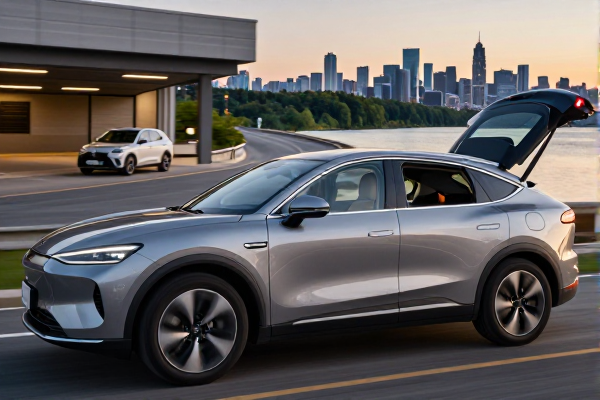
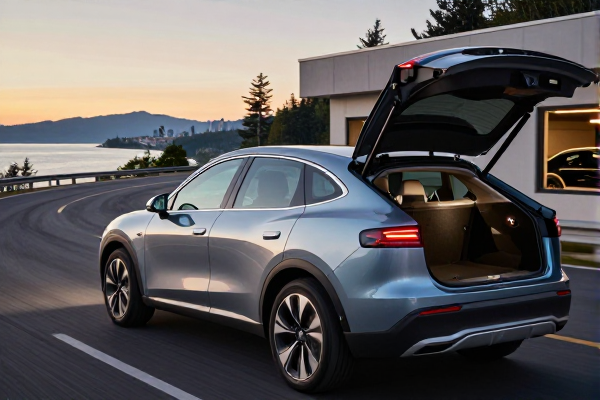
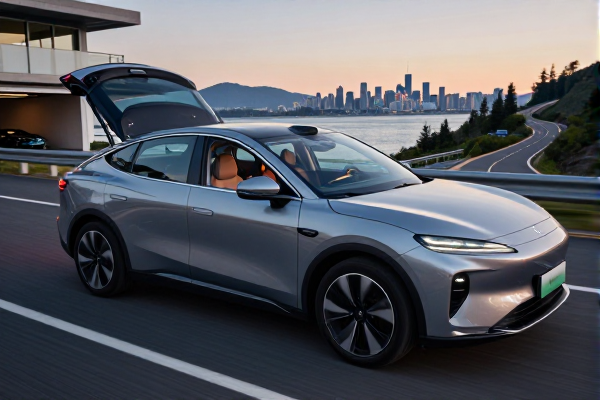
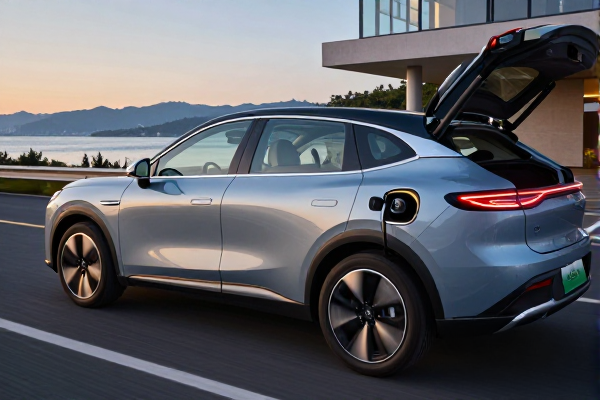
Transportation is the next logical frontier in household electrification. Contrary to myths about cold-weather performance, modern all-wheel-drive electric vehicles are perfectly suited for mountain communities and daily commutes. The real advantage shines during episodes of volatile gas prices. Owners can effectively "fuel" their cars for mere pennies per mile, relying on a stable, domestic electricity grid. While the federal EV tax credit structure has changed, the used EV market is poised for a boom. With hundreds of thousands of leases expiring soon, consumers can find significant value in certified pre-owned electric models, making the transition more affordable.
The power outage concern, while valid, is often overstated in the electrification debate. The reality is that most modern gas furnaces and boilers also rely on electricity for ignition, controls, and circulation pumps. During a widespread outage, both gas and electric homes lose central heating. The proactive solution isn't sticking with gas—it's investing in resilience. Home battery storage systems, like the Tesla Powerwall or FranklinWH, are becoming crucial tools. They can keep critical circuits—powering your heat pump, refrigerator, and medical devices—running during an outage. Newer plug-and-play battery solutions are making this backup power more accessible than ever.
Looking ahead, the integration of "vehicle-to-home" (V2H) technology promises to redefine resilience. Soon, your electric car's large battery could act as a whole-home backup power source during an outage, turning a personal asset into a household lifeline. This innovation underscores that electrification isn't just about replacing appliances; it's about building a smarter, more interconnected, and resilient home energy ecosystem.
Ultimately, a single electrified home is a smart choice, but a community embracing it is transformative. It reduces collective demand on strained gas infrastructure, improves local air quality, and strengthens grid stability. For those ready to explore, local nonprofits like conservation centers frequently host workshops detailing the latest technology, incentives, and step-by-step planning guides, providing the essential knowledge to begin the journey toward a cleaner, more reliable, and cost-effective home.
This analysis is based on current market trends, technology advancements, and available incentive programs as of October 2023. Homeowners are advised to consult with certified contractors and their local utilities for personalized assessments.