Browse

Log in / Register
 Share
Share

July 22, 2024 — At the 2024 China Auto Forum, Liu Zhanshu, the newly appointed CEO of Volkswagen (Anhui) Digital Sales Service Co., Ltd., delivered his inaugural public speech, striking an optimistic chord for joint venture automakers amidst fierce electric vehicle competition. His address, centered on industry cycles, brand positioning, and strategic lessons, offered a fresh perspective on navigating the evolving automotive landscape, particularly as market priorities refocus on fundamental vehicle attributes.
A Shift Back to Core Automotive Values
Liu Zhanshu challenged the prevailing narrative of doom for joint venture brands, asserting that international players have little reason for pessimism. He argued that the electrification wave follows a predictable logic: intelligence leads to standardization, which in turn drives affordability and scalability. As smart features become commonplace, the experiential gap between advanced and basic models is narrowing, with only professional drivers likely to notice significant differences. This trend, he noted, is redirecting consumer attention to timeless automotive essentials—handling, safety, quality, and durability—which are re-emerging as key competitive differentiators after years of hype around novel tech features.
Historical Cycles Mirror Current EV Consolidation
Drawing from a deep study of global automotive history, Liu highlighted patterns of rapid expansion followed by consolidation. He cited examples from early 20th-century Detroit and Coventry, where hundreds of carmakers eventually merged into a handful of major groups. Applying this lens to China's new-energy market, he observed a similar trajectory: from over 400 registered EV brands in 2016, only about ten now sell more than 10,000 units monthly. "This mirrors the historical path of internal combustion engines in the U.S. and U.K.," Liu stated, emphasizing that market maturation inevitably reduces brand proliferation. He added that true brands are forged through economic cycles, with international names having weathered multiple crises since the Great Depression, lending them resilience in turbulent times.
Volkswagen's 'All-In' China Strategy Unveiled
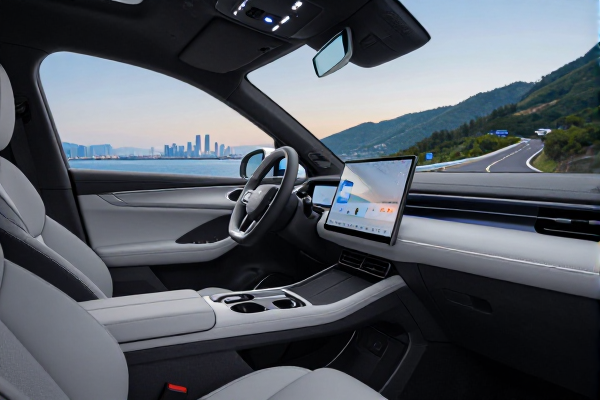
Clarifying operational structures, Liu explained that Volkswagen's presence in Anhui comprises three entities: a major R&D center (VCTC), a manufacturing arm, and his digital sales unit. With over 200 billion yuan invested in Hefei, the company is committed to China as its future hub, serving both local and global needs. Volkswagen Anhui positions itself as a "smart pure EV new force," focusing exclusively on intelligent electric vehicles and adopting direct-sales models. Liu reported that previous criticisms—such as laggy interfaces or poor voice navigation—have been largely resolved, placing Volkswagen's smart EVs in the industry's top tier for user experience.
A Hard-Earned Lesson in Pricing Precision
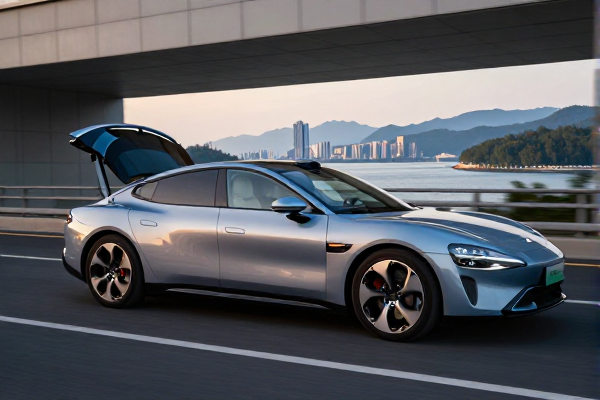
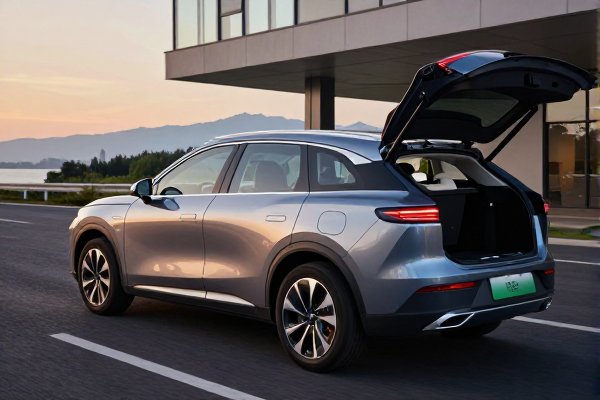
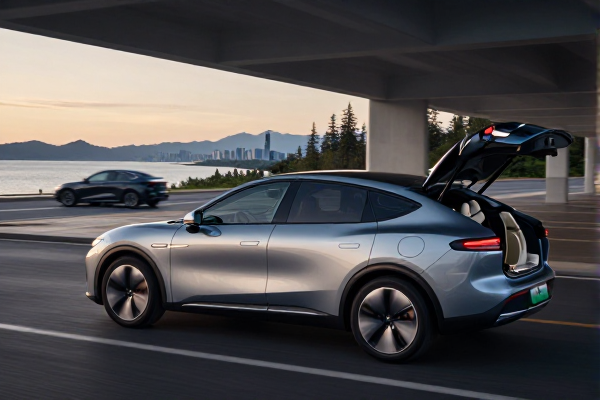
Liu shared a candid reflection on pricing missteps, using the ID. UNYX 06 launch as a case study. Initially priced above 200,000 yuan for an A-class SUV, the model faced sluggish sales, forcing repeated discounts that eroded consumer trust. "Once you adjust pricing, customers anticipate further cuts," he cautioned. Learning from this, the team adopted a "get it right the first time" approach for the ID. UNYX 07, which resulted in an 82% test-drive-to-order conversion rate post-launch. This strategy attracted younger demographics—over 35% of buyers under 30—and nearly 40% female purchasers, while shifting consumer behavior toward online ordering before in-store visits. Liu likened EV sales curves to smartphones, noting that "in this parabolic trend, you only get one shot at pricing; missing it rarely affords a second chance."
Exclusive Insight: U.S. Market Parallels and Data Integration
Adding authoritative depth, recent reports from the International Energy Agency (IEA) indicate that global EV sales growth is slowing, with a renewed emphasis on cost-effectiveness and reliability—trends aligning with Liu's observations. In the U.S., joint venture brands like Ford and GM are similarly pivoting to highlight traditional strengths like safety and durability in their EV campaigns, as consumer surveys show increasing skepticism toward overhyped autonomous features. This global shift underscores Liu's point that core values are regaining prominence, suggesting a broader industry correction rather than a China-specific phenomenon.
The Imperative of Marketing Fundamentals
Concluding his remarks, Liu stressed that returning to marketing basics is paramount. He highlighted deficiencies in basic reception and test-drive quality, warning that "if the foundation is not solid, the ground will shake." This internal mantra reflects a broader call for joint ventures to leverage their legacy strengths—such as manufacturing excellence and brand trust—while innovating in sales and service models to stay competitive in the smart EV era.
Future Outlook for Joint Ventures
As the EV race intensifies, Liu's insights suggest a balanced path forward: embrace technological standardization without neglecting the perennial appeal of quality and performance. For joint venture brands, this means synthesizing their historical resilience with agile adaptations to consumer preferences, potentially securing a durable niche in the global automotive market's next chapter.