Browse

Log in / Register
 Share

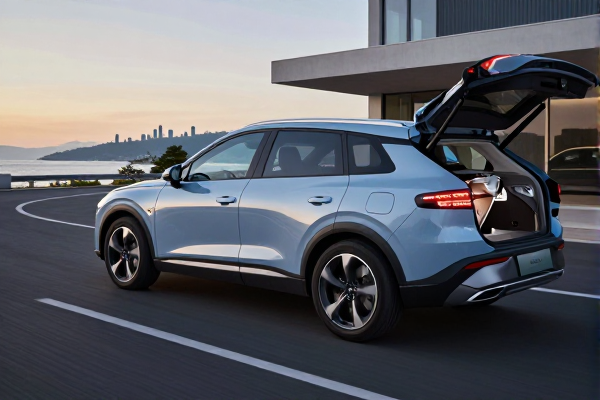
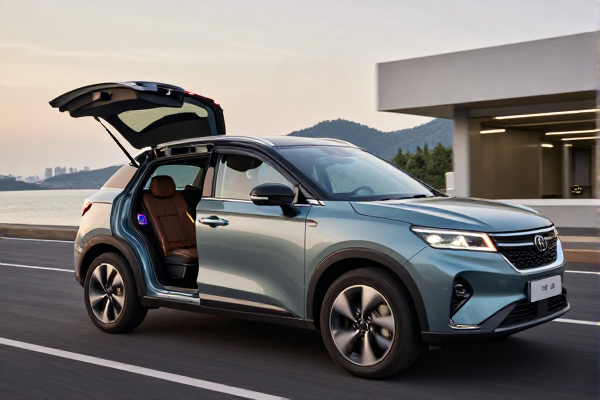
The 2027 Hyundai Bayon uses a 2,600 mm wheelbase, which puts it in the lower half of the current compact SUV field. In a fresh comparison of 101 models, the Bayon ranks 69th and sits about 36 mm under the segment average of 2,636 mm. That gap sounds small, but it can influence rear-seat space and ride character. This analysis, updated May 7, 2026, shows where the Bayon stands against the latest 2026 rivals and what the numbers actually mean for buyers.
The 2027 Bayon lands below the average crossover rather than in the middle of the pack.
To put that in perspective, the Bayon is 36 mm shorter than the average wheelbase in its class. It is also 20 mm longer than the previous Bayon, which measured 2,580 mm in some earlier datasets. The 2027 model still chooses a more compact footprint than many rivals, staying close to the urban end of the B-SUV spectrum.
The closest competitors to the 2027 Bayon are a mix of familiar combustion crossovers and newer electric entries. A few models match the Bayon exactly, while others pull ahead by just a few millimeters.
| Model | Wheelbase | Difference vs Bayon |
|---|---|---|
| Hyundai Bayon 2027 | 2,600 mm | 0 mm |
| KGM Tivoli | 2,600 mm | 0 mm |
| Suzuki S-Cross | 2,600 mm | 0 mm |
| Škoda Epiq | 2,601 mm | +1 mm |
| Volkswagen ID. Cross | 2,601 mm | +1 mm |
| Audi Q2 | 2,601 mm | +1 mm |
| Opel Crossland | 2,604 mm | +4 mm |
| Peugeot 2008 | 2,605 mm | +5 mm |
| Leapmotor B03X | 2,605 mm | +5 mm |
| MG ZS | 2,606 mm | +6 mm |
| MINI Aceman | 2,606 mm | +6 mm |
| Honda HR-V | 2,610 mm | +10 mm |
| Nissan Kicks | 2,620 mm | +20 mm |
| BYD Atto 2 | 2,620 mm | +20 mm |
| Renault R4 | 2,624 mm | +24 mm |
| Volkswagen T-Roc | 2,629 mm | +29 mm |
| Ford Puma | 2,588 mm | -12 mm |
| Kia Stonic | 2,580 mm | -20 mm |
| Jeep Renegade | 2,570 mm | -30 mm |
| Toyota Yaris Cross | 2,560 mm | -40 mm |
| Opel Mokka | 2,557 mm | -43 mm |
| Volkswagen Taigo | 2,554 mm | -46 mm |
| Hyundai Kona | 2,660 mm | +60 mm |
| Kia Seltos | 2,690 mm | +90 mm |
The table shows how tight the upper part of this segment has become. The Bayon is not dramatically shorter than the Peugeot 2008 or the MG ZS, and it is almost identical to the new Škoda Epiq. The larger gaps come from models that have stretched their platforms to move upmarket, such as the Kia Seltos and Hyundai Kona.
The 2027 Bayon moves from a 2,580 mm wheelbase to 2,600 mm. That is a modest increase, but it keeps the car in line with the platform that already supports models like the Kia Stonic. The extra 20 mm likely gives designers a little more room to work with when positioning the rear axle and the tailgate, without pushing the Bayon into true compact crossover territory.
Interestingly, the Bayon’s wheelbase is identical to the KGM Tivoli and Suzuki S-Cross. That suggests the three cars share a similar approach: prioritize parking-lot maneuverability and urban agility over maximum interior length. Buyers who want a noticeably longer rear passenger compartment will need to look at models like the Hyundai Kona, the Kia Seltos or the Nissan Qashqai, all of which exceed 2,650 mm.
The Bayon is primarily a European model and is not sold in North America, but its dimensions still offer a useful reference point for compact SUV buyers. In the U.S. market, the Hyundia Bayon would slot into the subcompact space, where buyers are choosing between vehicles like the Kia Seltos and the VW Taos. That makes this comparison valuable beyond the models available locally.
A 2,600 mm wheelbase usually translates into acceptable rear knee room for two adults, but not class-leading space. The 36 mm gap to the segment average is roughly the width of a finger or two. It is enough to feel when climbing into the back, but not enough to make the Bayon feel cramped by default.
A longer wheelbase often improves highway stability and reduces the feeling of pitching over bumps. It can also make the rear footwell longer and give door openings a more convenient shape. But wheelbase is not the only factor that determines cabin space.
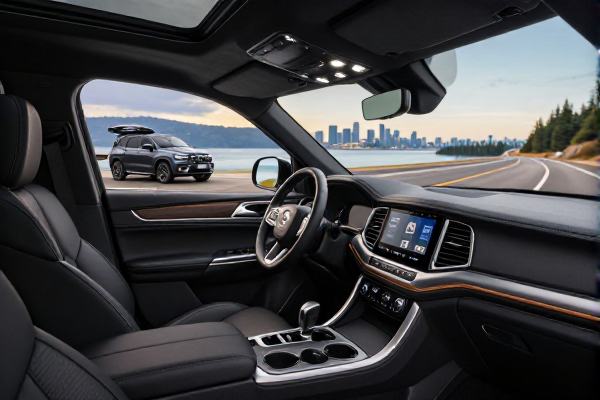
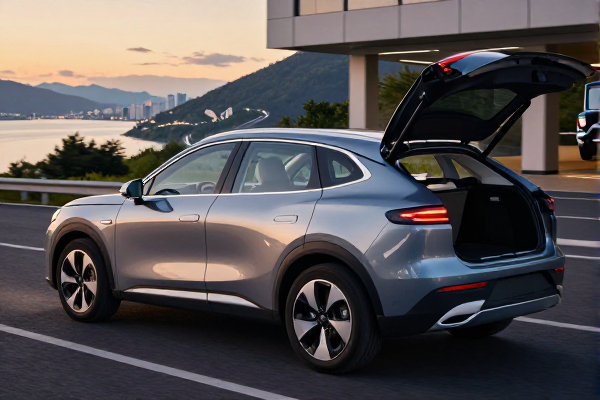
Seat design, rear floor height, roof line and dashboard placement all influence how spacious a car feels. The 2027 Bayon uses a relatively upright tailgate and a compact dashboard layout, which can compensate for a modest wheelbase. Conversely, a model with a longer wheelbase but a sweeping roofline may still offer less headroom.
There is also a driving dynamic trade-off. Shorter wheelbases tend to make a car feel more nimble in city traffic, especially when parking or making tight turns. The Bayon appears to be tuned for that kind of driving, which explains why Hyundai did not push the wheelbase closer to the 2,700 mm mark.
The comparison data also reveals a broader trend. The average wheelbase among the 101 models in this dataset is 2,636 mm, and the upper end continues to climb. The arrival of new electric entries such as the Škoda Epiq, Volkswagen ID. Cross, Leapmotor B03X and MINI Aceman has pushed the compact SUV segment into a longer-wheelbase era, even at the smaller end of the scale.
That means the 2027 Bayon is entering a market where buyers are slowly becoming used to more rear legroom. The Bayon’s position at the 29th percentile is not a weakness, but it does place the car closer to the urban end of the spectrum than the family-oriented end.
The 2027 Hyundai Bayon’s 2,600 mm wheelbase is best described as average-leaning-short for its segment. It matches the KGM Tivoli and Suzuki S-Cross, edges out the Ford Puma and Kia Stonic, and trails the Peugeot 2008 and MG ZS by just a few millimeters. Buyers who value easy city driving will see this as a feature. Buyers who prioritize rear-seat space will find stronger options further up the table.
For anyone comparing compact SUVs in 2026, the message is simple: the Bayon is not trying to win a wheelbase arms race. It is aiming for a balanced footprint, and this dimension data confirms that choice.