Browse

Log in / Register
 Share


July 27, 2025 — Prince George, B.C. – With fuel costs climbing and air pollution linked to millions of premature deaths globally, the case for leaving the car at home has never been stronger. University of Northern British Columbia (UNBC) is betting that hands-on experiences during Green Week 2026 will show students and locals that alternative transportation isn’t just a niche idea—it’s a practical, healthier, and increasingly affordable way to get around.
Slated for September 19–27, 2026, the week-long event marks a deliberate shift from its usual winter semester slot. By moving to early fall, organizers aim to capitalize on mild weather and build on the energy of Orientation Week. “We want new students to immediately see how viable it is to bike, walk, or take transit in Prince George,” says Kyle Ross, Green Week Event Coordinator and a third-year UNBC planning student.
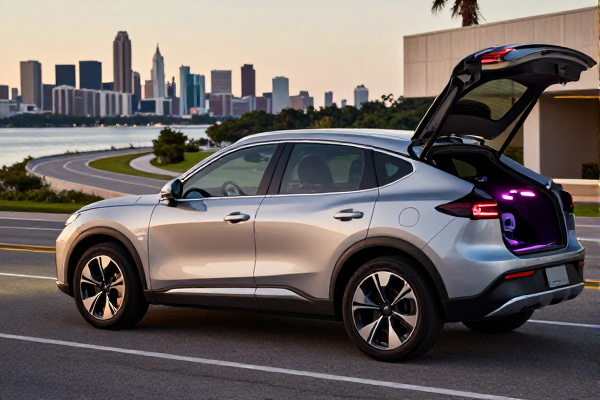
This year’s theme goes beyond awareness. Ross and the sustainability team have lined up a slate of interactive activities designed to break down barriers and change habits. A group bike ride to the Prince George Farmers Market offers a chance to experience city cycling in a low-pressure setting. An electric vehicle–powered outdoor movie at Lheidli T’enneh Memorial Park lets attendees see electrification in action. A walking tour and salve-making workshop, co-hosted with the First Nations Centre, connects mobility with land-based learning. And a citywide Bus Scavenger Hunt, organized with local businesses, turns public transit into a game.
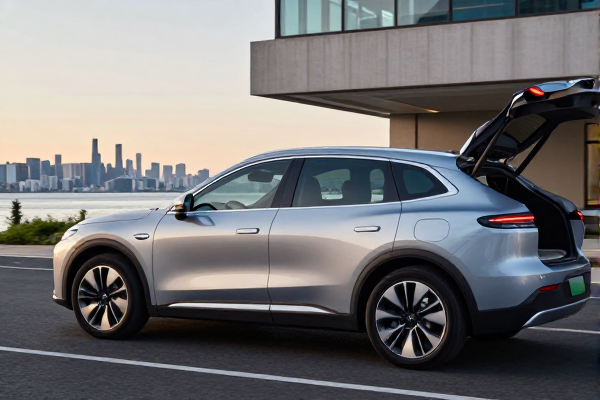
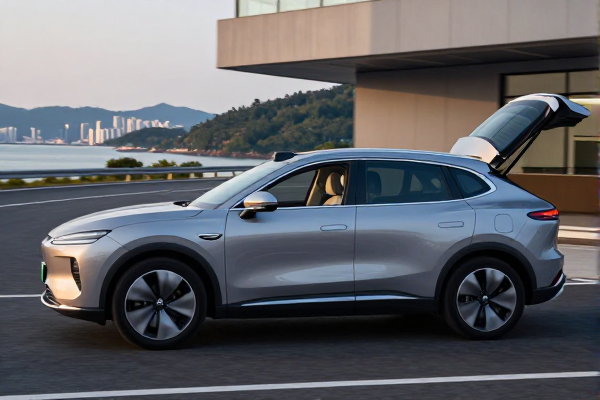
But Green Week 2026 isn’t just about fun—it’s also a learning opportunity. The UNBC Energy Transition Group will run sessions on renewable energy and electrification, including hands-on demos of e-bikes, e-scooters, and electric cars. Ross hopes these demonstrations will “dispel the mystique” around new technologies and show how they can be integrated into Northern and rural communities.
“For many first-year students from small towns, bringing a bike to Prince George can feel intimidating because the city is sprawling. But our goal is to show that alternatives are not only possible but getting better over time, especially as the city rolls out its Active Transportation Plan,” Ross adds.
The health and economic angles are equally central. UNBC Sustainability Manager Ann Duong points to the 2025 State of Global Air Report, which notes that air pollution kills more people annually than tobacco—about 7.9 million premature deaths worldwide. Meanwhile, fuel costs continue to strain household budgets. “Biking, walking, and public transit offer triple benefits: better personal health, lower expenses, and less pollution,” Duong says.
Her perspective aligns with growing data from south of the border. According to the U.S. Department of Transportation, nearly 40% of all trips in the United States are under two miles—a distance easily covered by bike or on foot. Yet the majority of those short trips are still made by car. Programs like Green Week, which normalize non-car travel through community events and peer encouragement, are crucial to shifting that habit.
The university’s broader commitment to sustainability adds institutional weight. UNBC has long aimed to minimize its environmental footprint, and the shift to an early-fall Green Week