Browse

Log in / Register
 Share

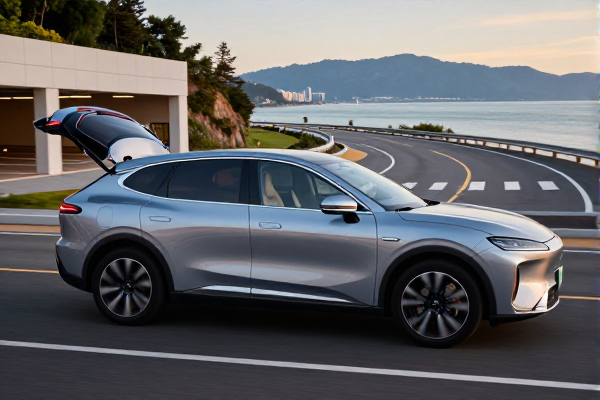
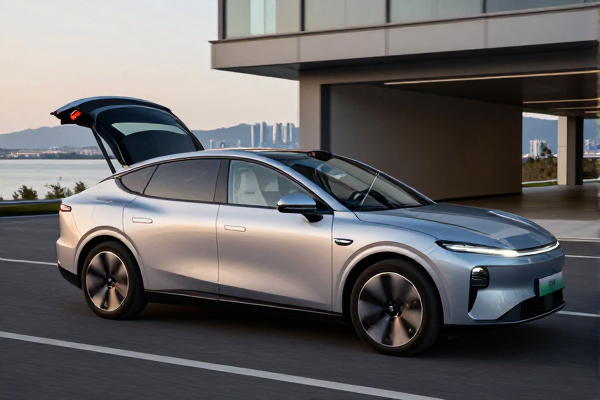
May 24, 2024 — The longstanding dominance of Japanese automakers in China is eroding at an unprecedented pace. Recent industry data confirms that the combined market share of Toyota, Nissan, and Honda has plummeted into single digits, a stark decline from their once-commanding position. This seismic shift is driven overwhelmingly by the relentless surge of domestic Chinese electric vehicle (EV) manufacturers, who are out-innovating and out-competing foreign rivals on their home turf with advanced technology, aggressive pricing, and a deep understanding of local consumer preferences.
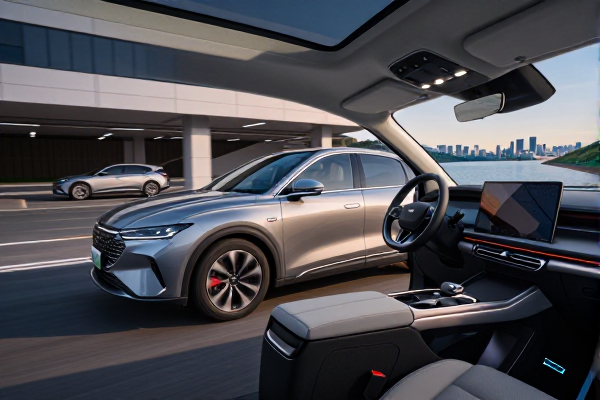
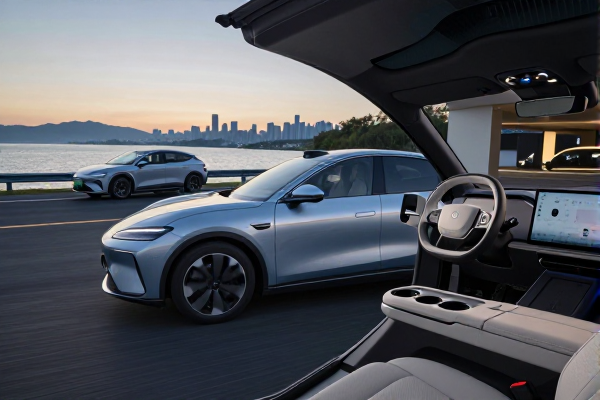
For decades, the "big three" from Japan—Toyota, Honda, and Nissan—were pillars of the Chinese automotive landscape, built on a reputation for reliability, fuel efficiency, and well-established hybrid systems like Toyota's Prius-powered technology. Their strategy, however, appears to have been overtaken by the sheer velocity of China's EV revolution. While Japanese brands meticulously refined their hybrid playbook, Chinese companies like BYD, NIO, and Xpeng executed a full-scale electric offensive. The result is a classic case of market disruption, where incumbents focused on perfecting the old game are blindsided by new players who have changed the rules entirely.
The numbers tell a compelling story. At their peak, Japanese automakers collectively held over 20% of the Chinese passenger vehicle market. As of the first quarter of 2024, that figure has been halved, dipping below the 10% threshold—a psychological and commercial watershed. In contrast, Chinese EV brands now account for nearly 60% of all EV sales domestically, with BYD alone selling more electric vehicles in China than the entire Japanese lineup combined in certain months. This isn't merely a shift in preference; it's a fundamental realignment of competitive power.
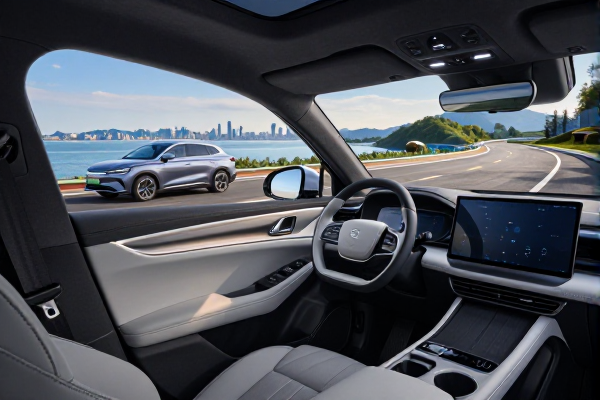
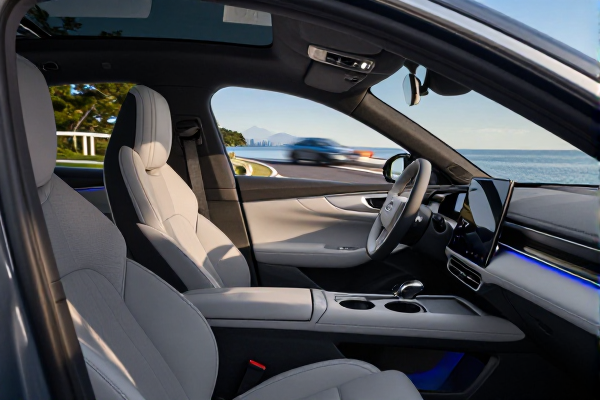
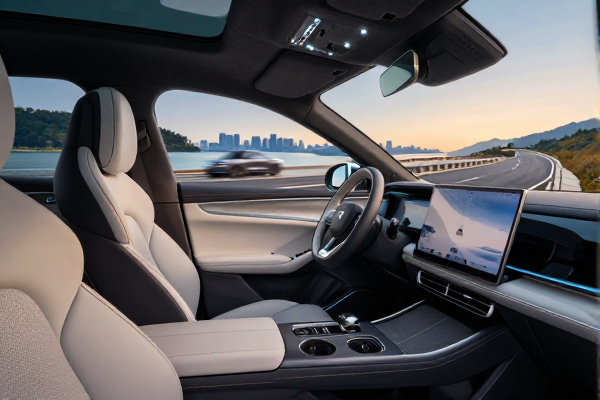
A key differentiator lies in the product development cycle and technological integration. Chinese EV makers operate with a software-centric, agile approach, rolling out over-the-air updates, advanced driver-assistance systems, and smart cabin features at a breakneck pace. Their vehicles are often conceived as "smart devices on wheels," directly catering to a digitally-native generation. Japanese automakers, in comparison, have been criticized for a more cautious, hardware-focused approach, leaving their in-car technology and EV-specific platforms feeling dated in a market that prizes innovation.
The competitive pressure is now forcing a painful strategic reckoning in Tokyo. Nissan and Honda have recently announced an unprecedented strategic partnership to collaborate on EV development, specifically targeting the Chinese market—a clear sign of defensive consolidation. Toyota is accelerating its own battery-electric plans, but faces the immense challenge of scaling up while protecting its profitable legacy hybrid business. The core dilemma remains: can they adapt quickly enough to a market that no longer waits for them?
Beyond product, the entire ecosystem favors local champions. China has cultivated the world's most complete EV supply chain, particularly for batteries, giving domestic manufacturers a significant cost and procurement advantage. Furthermore, savvy digital marketing, direct-to-consumer sales models, and a sprawling network of charging infrastructure have created a formidable commercial moat. Japanese brands, reliant on traditional dealership networks and global supply chains, struggle to match this localized, vertically integrated efficiency.
This trend carries profound implications for the global auto industry. China is not only the world's largest car market but also the epicenter of EV innovation and manufacturing. Losing ground here weakens the global scale, profitability, and technological relevance of any automaker. For Japanese companies, a diminished presence in China could impact R&D funding, brand prestige, and their ability to compete in the emerging EV markets of Southeast Asia and beyond, where Chinese brands are also expanding aggressively.
Exclusive Perspective: The "Innovation Debt" of Legacy Hybrid Success An often-overlooked factor in this struggle is what industry analysts are calling "innovation debt." Toyota, Honda, and Nissan invested billions and built their global reputations on hybrid synergy drive and efficient internal combustion engines. This deep expertise became a cognitive and structural barrier, making a wholesale pivot to pure electric platforms—which render much of that hybrid technology obsolete—exceptionally difficult internally. Their mastery of the previous era has, paradoxically, become a liability in the new one, while Chinese automakers, unburdened by this legacy, started with a clean-sheet EV focus.
The road ahead for Japanese automakers in China is fraught with challenge but not devoid of opportunity. A potential path lies in strategic specialization rather than head-on volume competition. This could involve focusing on premium segments, leveraging their renowned quality control in hybrid and plug-in hybrid vehicles for a transitional market, or forming deeper joint ventures with Chinese tech firms for software and AI. Survival will depend less on defending past glory and more on embracing a new, collaborative, and adaptive role in the Chinese automotive ecosystem.
The single-digit market share milestone is more than a statistic; it is a powerful symbol of a changing world order in automobiles. The reign of Japanese automotive giants in China, built over 30 years, is being decisively challenged by a homegrown electric revolution. How these iconic companies respond will be one of the defining business narratives of this decade, offering critical lessons on disruption, adaptation, and the high cost of technological transition.