Browse

Log in / Register
 Share

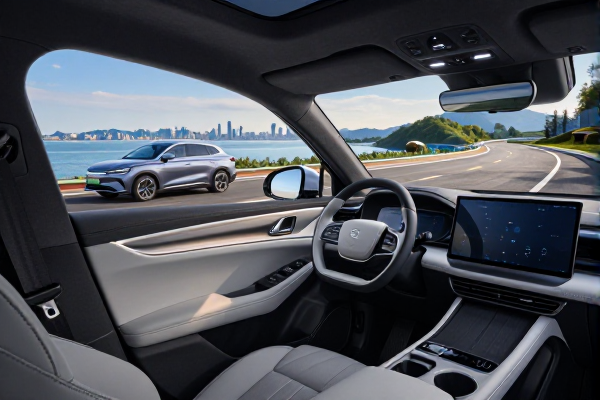
May 24, 2024 — China has formally anchored its climate objectives to a concrete industrial benchmark, setting a target for new energy vehicles (NEVs) to constitute 30% of new car sales by 2030. This move, embedded within the broader "Action Plan for Carbon Peaking Before 2030," signals a decisive acceleration of the country's automotive transformation, directly challenging the global strategies of incumbent foreign car manufacturers.
The 30% target is not merely an environmental pledge but a calculated industrial policy directive. It crystallizes years of subsidies, infrastructure investment, and regulatory support into a clear market-share goal. For international automakers, this translates into a rapidly closing window to adapt. The era of gradual electrification is over; the Chinese market now demands an aggressive, all-in pivot to battery electric and plug-in hybrid vehicles to remain relevant.
This policy shift fundamentally alters the competitive landscape. Chinese brands like BYD have already seized dominant market share in the domestic EV sector, leveraging deep vertical integration and rapid iteration. Foreign giants—Volkswagen, General Motors, Toyota, and others—now face the dual challenge of scaling their own EV portfolios while competing against these agile, cost-competitive domestic champions. Their historical strength in internal combustion engine technology is becoming a diminishing asset.
The pressure extends beyond sales figures. The action plan intertwines with China's "dual carbon" goals, suggesting that future regulatory incentives, access to green financing, and even procurement contracts may be linked to a company's NEV performance. Automakers lagging in electrification could face not just market irrelevance but also strategic disadvantages across their Chinese operations, from manufacturing to supply chain partnerships.
A critical, often overlooked dimension is the reshaping of the automotive supply chain. China's push for NEV dominance is concurrently driving self-sufficiency in batteries, rare-earth magnets, and semiconductor modules for electric powertrains. Foreign automakers may find their ability to source key components competitively—or at all—increasingly tied to local partnerships and technology transfer agreements, further deepening their operational integration within China.
The human capital race is another frontline. China's focused policy has catalyzed a massive concentration of engineering talent in EV and battery R&D. Recent data from LinkedIn's Economic Graph shows that over 40% of the world's automotive industry professionals with AI and battery systems expertise are now based in China. This brain drain from traditional auto hubs in Europe, Japan, and the U.S. towards Chinese firms and research institutes creates a long-term innovation deficit for slower-moving foreign players.
For foreign automakers, the strategic response must be multifaceted. It requires a "China-for-China" strategy—developing EVs specifically for local consumer tastes and price points, separate from global platforms. It also necessitates forming strategic joint ventures or alliances with leading Chinese battery and smart tech firms to secure supply and gain technological edge. Hesitation or a half-measure approach could result in permanent marginalization.
The implications are global. China's domestic EV surge is now exporting competition worldwide. Chinese EV brands, buoyed by scale and experience at home, are increasingly targeting markets in Europe, Southeast Asia, and Latin America. The 2030 target, therefore, is not just about securing China's own market; it is a launchpad for Chinese automakers to become dominant global exporters, directly challenging foreign automakers on their home turf.
Achieving the 30% goal is not without hurdles. Challenges include managing the strain on the power grid from mass EV charging, developing a sustainable battery recycling ecosystem to avoid environmental backlash, and ensuring consumer confidence in EV safety and range, especially in lower-tier cities. How China navigates these issues will provide a critical playbook for other nations pursuing similar transitions.
In conclusion, China's 2030 NEV adoption target is a defining moment for the global automobile industry. It represents a state-driven market transformation of unprecedented scale and speed. For foreign automakers, it is a clarion call for urgent, radical strategic realignment. The race is no longer just about selling cars in China; it is about securing a viable role in the future of mobility, a future being authored decisively in Beijing. The next five years will separate the industry's future leaders from its stranded assets.