Browse

Log in / Register
 Share

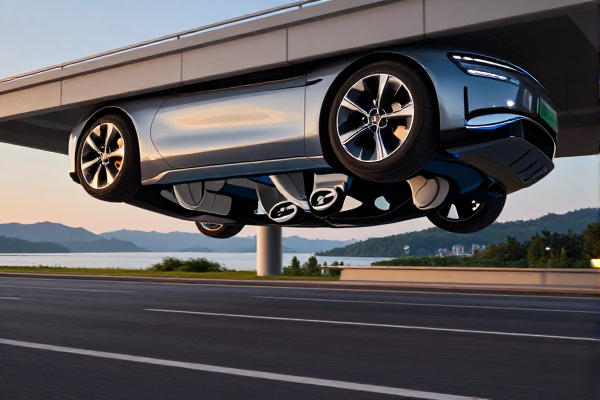
Emergency crews in Davenport, Iowa, were called Monday after a car was discovered upside down on train tracks in the city. The vehicle was resting on its roof between the rails, and video from the scene showed first responders gathered near the crossing. As of Monday afternoon, no official statement had been released about the driver, the circumstances of the crash, or how long the tracks would be blocked.
The image of a car flipped onto a rail line is striking, but the situation is still developing. Here is the latest on what is known, what officials are likely doing, and why an overturned car on Davenport’s tracks carries local and railroad-wide consequences.
A passenger vehicle was found on its roof on railroad tracks in Davenport. The exact crossing has not been identified in initial coverage, and Davenport police have not yet provided a timeline for the incident.
The vehicle’s position suggests it either left the roadway, lost control while crossing, or somehow rolled into the rail corridor before stopping upside down. Responders were still at the site, and their first priority would have been to make sure no one was trapped and that no train was approaching.
It is also unclear whether the driver or any passengers were hurt. No injuries have been mentioned in the limited information shared so far, but the hospital status of those involved has not been confirmed by officials.
Because the initial notice was brief and video-focused, details such as the driver’s name, the car’s make and model, and whether a vehicle may have been towed have not been made public. That is not unusual in the early stage of a rail-related incident, especially when investigators are still talking to witnesses and reviewing cameras.
A road vehicle sitting on the rails is one of the highest-risk situations a railroad can face. Trains cannot steer around objects. A heavy locomotive moving at track speed will hit anything left in its path, and the collision can damage the locomotive, the crossing equipment, and the tracks themselves.
In some cases, a derailment happens first. The train’s wheels can ride up over the object, and even a single car leaving the rails can pull the rest of the train with it. That is why railroad dispatchers almost always shut down rail traffic in both directions as soon as an obstruction is reported.
It can take more than a mile for a freight train to stop completely. Even if the train crew sees the overturned car ahead, the train may not be able to stop in time. That makes quick reporting, quick response, and careful track inspection essential.
If the car was on the tracks before any train arrived, investigators will focus on how the vehicle got there.
They often check for skid marks leading up to the crossing to determine whether the driver braked late or swerved. They also inspect the car’s tires, steering components, and body damage to see whether a mechanical failure or a blown tire may have caused the driver to lose control.
Another possibility is that the car was struck by another road vehicle and pushed onto the tracks. That kind of crash would leave visible signs on the bodywork and should show up in nearby surveillance or dashcam video.
Investigators may also look at the crossing itself. Railroad crossings on city streets are sometimes uneven, and a severe dip or loose paving material can jar a vehicle, especially if the driver approaches at a higher speed. Crashes like these often happen when motorists misjudge the crossing angle or drive too fast over uneven rails.
If a train was involved at any point, railroad crews and police would work together to collect event recorder data from the locomotive. That data would show speed, horn usage, braking time, and any emergency application of the train brakes.
None of that has been confirmed in this case. The investigation is still in its early phase.
Davenport sits on an active rail corridor used by freight carriers operating between the Mississippi River and points across the Midwest. The tracks in the area are part of the old Rock Island line, now operated by Iowa Interstate Railroad.
Freight trains move through Davenport throughout the day. Depending on where the overturned car is located, rail operations in and around the city could be delayed while the track is cleared and inspected.
The response may also require cranes or tow trucks to lift the vehicle off the rail. Workers will likely check the rails for visible damage before allowing any train through. If fluid leaked from the car, that has to be contained first to prevent environmental damage.
For drivers in the area, the main effect may be road closures and temporary detours around the scene. Local traffic cameras are likely to show police vehicles and a blocked crossing until the vehicle is removed.
Officials have not said when the crossing will reopen. That update may come from the Davenport Police Department or a local news release later Monday.
This incident is also a reminder that railroad crossings in Davenport and across Iowa demand extra attention.
Motorists should slow down before crossing the tracks, look both ways for a train, and make sure the road ahead is clear before entering the crossing. It is just as important to avoid stopping on the tracks, even in heavy traffic. Drivers who do not have enough room to clear the crossing should wait until they can get all the way across.
Trains do not follow a fixed schedule, and quiet crossings can suddenly become busy. A crossing gate can malfunction, so drivers should not assume a crossing is safe just because no lights are flashing.
The national nonprofit Operation Lifesaver, which works with railroads and law enforcement agencies to prevent crossing deaths, stresses that every track holds the potential for a train to appear at any moment. Their core message is simple: see tracks, think train.
If a vehicle ever stops working while on the tracks, the safest response is to get out quickly.
Everyone inside should leave the vehicle immediately and move away from the rails. Once safely away from the tracks, call the emergency phone number listed on the blue-and-white sign posted at the crossing. That sign is not just decoration; it connects directly to the railroad’s dispatch center so trains can be stopped instantly.
Do not try to push the car off the tracks if a train is near. Do not stay inside to call for help. Personal safety is far more important than saving the vehicle.
The overturned car on Davenport train tracks is the type of event that can change quickly. More information may become available once police complete their initial interviews and review nearby camera footage.
Authorities have not said whether any charges are possible, whether alcohol or speed played a factor, or whether a medical emergency caused the driver to lose control. Those answers may come later, and they will depend on what investigators find.
Residents who saw the incident or live near the crossing may have details that official reports cannot provide. Anyone with information is encouraged to contact the Davenport Police Department, along with local railroad police if they see anything involving the tracks.
This remains an active news story. Updates will be added here as Davenport officials release more details.
For now, the safest course for everyone is simple: approach every Davenport crossing with caution, expect a train at any time, and never crowd the tracks. A few extra seconds of waiting are worth more than the risk of a rail-related crash.