Browse

Log in / Register
 Share

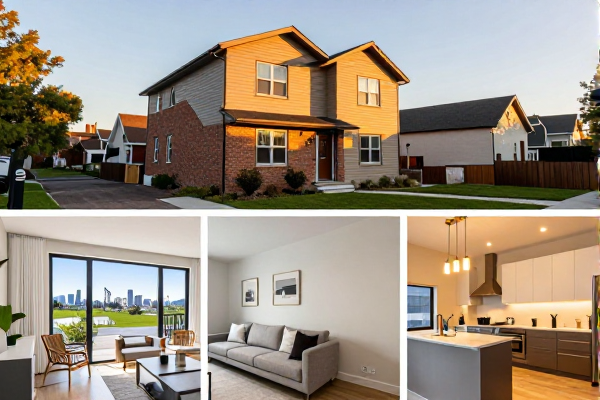
In 2026, the average monthly rent for a 2-bedroom apartment in the United States is projected to be approximately $1,950, reflecting a continued but moderating trend in the rental market. This figure, however, varies dramatically by state and metropolitan area, with premium markets like New York and California commanding rents significantly above the national median. Understanding these costs, the factors influencing them, and how to budget effectively is crucial for any renter.
The price of a 2-bedroom apartment is not arbitrary; it is determined by a combination of location, amenities, and market conditions. Location remains the primary driver, with proximity to employment hubs, public transportation, and high-quality school districts adding a premium. For example, a unit in a central business district will cost more than a comparable one in a suburban or rural area. Amenities such as in-unit laundry, modern appliances, a fitness center, or a concierge service also significantly impact the monthly rent. Furthermore, the broader market supply and demand play a critical role; in cities with low vacancy rates, landlords can command higher prices.
| Market Tier | Estimated Average Monthly Rent (2026) | Key Characteristics |
|---|---|---|
| High-Cost (e.g., NYC, San Francisco) | $3,800 - $5,500+ | High demand, limited space, premium amenities. |
| Mid-Cost (e.g., Austin, Denver) | $1,800 - $2,700 | Strong job markets, growing population. |
| Lower-Cost (e.g., Midwest, Southern cities) | $1,100 - $1,700 | Ample housing supply, lower cost of living. |
A fundamental rule of thumb is that your gross monthly income should be at least three times the monthly rent. For the national average of $1,950, this means an annual income of around $70,200 is recommended. However, budgeting extends beyond just the base rent. Prospective tenants must account for additional, often overlooked costs. Renter's insurance, a policy that protects a tenant's personal property against damage or theft, is frequently required and typically costs $15-$30 per month. Utilities like electricity, water, gas, and internet can add $150-$300 monthly. Many buildings also charge fees for parking, pets, or application processing.
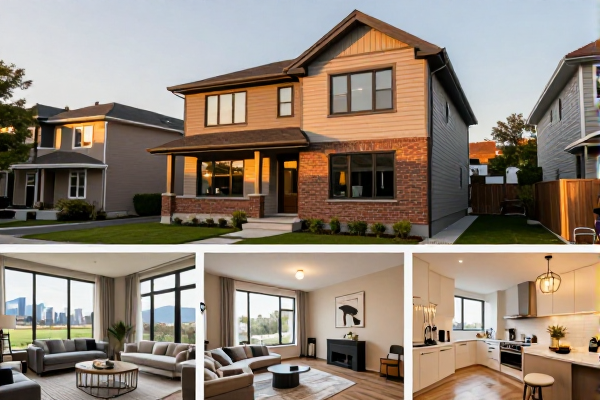
The rental market in 2026 is characterized by a gradual shift towards balance after several years of rapid inflation. While prices are still elevated, the rate of increase has slowed. New construction, particularly in the multi-family sector, has increased supply in many metropolitan areas, giving renters more options and slightly more negotiating power. There is also a growing trend of landlords offering concessions, such as one month of free rent or waived application fees, to attract qualified tenants, especially in buildings with higher vacancy rates. This makes it an opportune time for renters to compare multiple listings and negotiate terms.
Navigating the 2-bedroom apartment market requires a clear understanding of both your budget and the local landscape. By focusing on your must-have amenities, being aware of all potential costs, and leveraging current market conditions, you can make a financially sound decision. Always thoroughly review the lease agreement and consider the long-term affordability of your chosen apartment to ensure a positive renting experience.