Browse

Log in / Register
 Share
Share
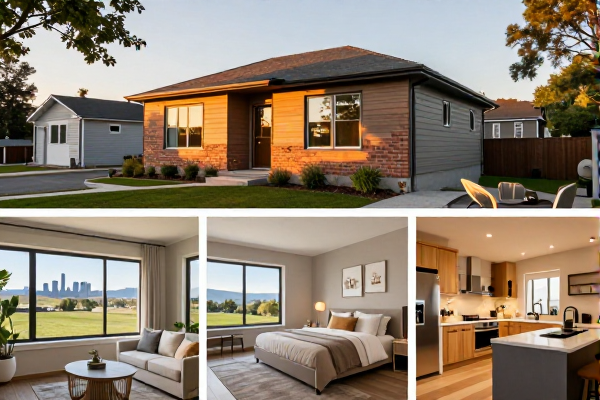
An Accessory Dwelling Unit (ADU), often called a granny flat or in-law suite, is a secondary housing unit on a single-family residential lot. For homeowners, investors, and potential renters in 2026, understanding the ADU meaning is crucial as it represents a versatile real estate asset that can generate rental income, increase property value, and provide flexible living space. The growing popularity of ADUs is driven by housing shortages and changing lifestyle needs, making them a significant trend in the U.S. real estate market.
An Accessory Dwelling Unit (ADU) is a self-contained living space located on the same property as a primary single-family home. It must have its own entrance, kitchen, bathroom, and living/sleeping area. ADUs can be converted from existing structures like garages (detached ADU), built as a new standalone unit in the backyard, or created within the existing footprint of the main house (attached or junior ADU). The key defining feature is that it is secondary to the primary residence. Local zoning codes, which vary significantly by city and state, strictly govern the size, placement, and permitted uses of ADUs.
The primary benefit of an ADU is the potential for rental income. Homeowners can use this income to help pay their mortgage, a strategy known as "house hacking." Additionally, an ADU can significantly increase the overall property value. Beyond financial gains, ADUs offer practical solutions for multi-generational living, housing adult children, or providing a private space for guests. However, important considerations include the substantial upfront construction costs, which can range from $100,000 to $300,000 or more. Homeowners must also navigate local permitting processes and consider the potential impact on their property tax assessment.
The financial viability of an ADU is a critical factor. Based on our experience assessment, construction costs are influenced by size, materials, and whether it's a conversion or new build. While expensive, a well-executed ADU project can offer an excellent return on investment (ROI). The added value to the property often recoups a significant portion of the construction cost. In 2026, with rental demand remaining high in many markets, an ADU can generate substantial monthly income. For example, a one-bedroom ADU in a suburban area might rent for $1,500-$2,500 per month, directly offsetting the homeowner's housing expenses. It is essential to consult with a local real estate professional to understand the specific market rates and property tax implications in your area.
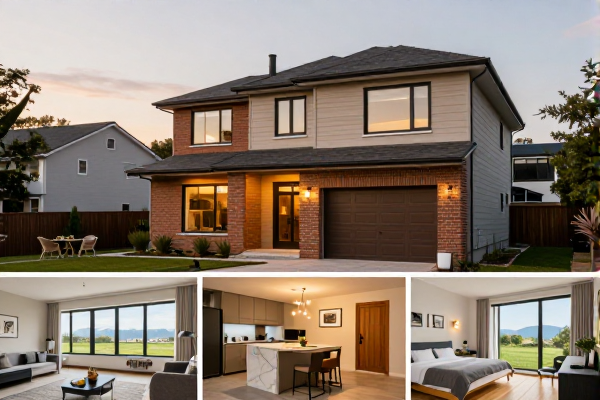
If you are interested in building an ADU, a methodical approach is necessary.
In summary, understanding the ADU meaning unlocks a powerful real estate strategy. The key takeaways are: ADUs provide a viable path to rental income and increased property value, but require careful financial planning and navigation of local zoning laws. Always conduct thorough due diligence and seek professional guidance tailored to your specific property and goals.