Browse

Log in / Register
 Share

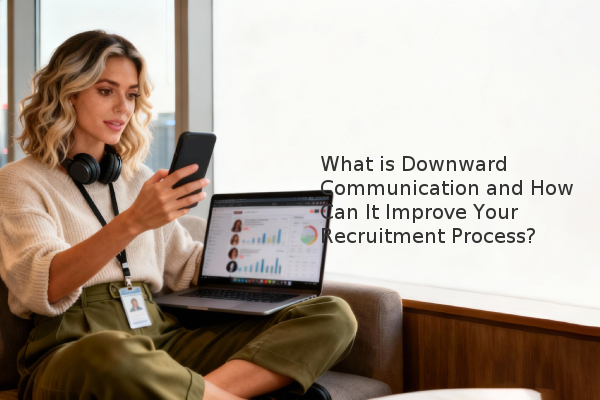
Downward communication is a structured, top-down information flow that, when implemented correctly, can significantly enhance recruitment efficiency, ensure consistent candidate messaging, and strengthen employer branding. Based on our assessment experience, this communication model is essential for aligning hiring teams and delivering a seamless candidate experience. This article explains how to leverage its principles for better recruitment outcomes.
Downward communication (DC) is the formal process of transmitting information from higher organizational levels (like HR directors or hiring managers) to lower levels (such as recruiters, coordinators, and interview panels). In recruitment, this is critical for defining a structured interview process, where every candidate is assessed against the same criteria. Common functions include:
Effective channels for DC in recruitment include standardized email briefs, updated hiring manuals, and kick-off meetings to ensure everyone operates from the same information.
| Communication Channel | Best Use Case in Recruitment | Advantage |
|---|---|---|
| Structured Kick-off Meeting | Launching a new senior-level search. | Ensures immediate feedback and alignment on role priorities. |
| Official Hiring Manual Update | Implementing a new applicant tracking system (ATS). | Provides a permanent, accessible reference for all team members. |
| Standardized Email Brief | Communicating a high-volume hiring drive. | Quickly disseminates uniform information to a large, distributed team. |
The primary advantage of downward communication is speed and clarity. By clearly defining the candidate screening process from the top, organizations can avoid missteps that lead to wasted time. For example, when a hiring manager explicitly communicates the non-negotiable skills for a role via a structured brief, recruiters can pre-screen applicants more accurately. This directly impacts the talent retention rate by ensuring only the most qualified candidates progress, leading to better long-term hires. DC allows for efficient delegation, ensuring that each team member—from sourcer to interviewer—understands their specific duties within the recruitment process optimization framework.
While effective for dissemination, a pure DC model has limitations. The most significant is the lack of feedback. If recruiters on the front lines cannot easily report that a job description's salary bandwidth is unrealistic for the current market, the hiring process will stall. This one-way flow can also lead to data distortion; a hiring manager's initial vision for a role might become diluted as it passes through multiple layers. This can lower morale among recruitment teams who may feel their frontline insights are undervalued, potentially affecting their engagement and effectiveness.
To mitigate its limitations, DC should be part of a balanced communication strategy.
In practice, successful recruitment teams use downward communication to set a clear foundation but complement it with structured upward feedback channels. The key takeaways are to define processes clearly from the top, use the appropriate channel for the message, and always create space for team input to refine strategy. This balanced approach ensures efficiency without sacrificing agility or team morale.