Browse

Log in / Register
 Share

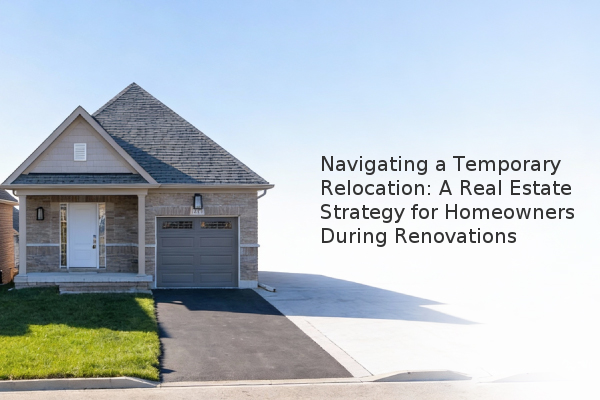
For homeowners embarking on major renovations, securing a temporary residence in a new city can be a strategic solution to avoid construction disruption. This approach, as illustrated by homeowners who maintain a primary property while living elsewhere, involves key real estate decisions, primarily whether to rent or purchase a secondary home. This article outlines the practical considerations for such a move, focusing on location, budget, and the management of two properties.
The primary considerations for a temporary relocation are location and lifestyle needs. Proximity to work, family, or essential amenities often dictates the choice of neighborhood. For those with specific professional ties, like being near a training facility or a spouse's workplace, location becomes non-negotiable. The property itself should meet immediate practical needs without the long-term commitment of a forever home. Essentials might include sufficient space, modern conveniences, and a move-in-ready condition to avoid additional projects. The goal is to find a functional space that serves as a comfortable base of operations, not a replica of the primary residence undergoing renovation.
The decision to rent versus buy a temporary home is largely financial and depends on the expected duration of stay. Renting is typically the more flexible and cost-effective option for short-term relocations, often defined as less than two years. It avoids the large upfront costs of a down payment and the long-term commitment of a mortgage. It also shields the homeowner from market fluctuations and property taxes on a second home.
Conversely, purchasing might be considered if the temporary situation is expected to last several years or if there is a strong intention to retain the property as a long-term investment or pied-à-terre. This decision requires a thorough financial analysis, weighing mortgage costs, property taxes, and maintenance against potential rental income or appreciation.
| Housing Option | Typical Ideal Scenario | Key Financial Considerations |
|---|---|---|
| Renting | Relocation under 2 years | Security deposit, monthly rent, no property taxes or maintenance costs. |
| Buying | Long-term need (3+ years) or investment goal | Down payment, mortgage payments, property taxes, insurance, closing costs. |
Effective management of the primary residence from a distance requires clear communication and project management. Hiring a reputable general contractor is critical. Establish a detailed timeline and a system for regular updates, which may include video calls, photo documentation, and scheduled site visits if feasible. Budgeting for unexpected overages is also essential; industry assessments suggest allocating an additional 10-20% of the project's total cost for unforeseen issues. This proactive approach helps ensure the renovation stays on track and within a manageable scope, even when you are not physically present every day.
When searching for a short-term rental, prioritize leases that offer flexibility, such as a 12-month term with options to extend or break the lease under specific conditions. The property should be fully furnished or minimally require only essential belongings to reduce moving stress. Look for homes with modern, low-maintenance finishes and amenities that support your daily routine. A functional kitchen, comfortable living space, and convenient location can significantly impact your quality of life during the transition. The objective is simplicity and convenience.
Successfully navigating a temporary move hinges on a clear financial plan and a pragmatic approach to housing selection. The most critical steps are: accurately assessing the duration of need, choosing the flexible option of renting for most short-term scenarios, and establishing a robust system for managing the renovation project remotely. By focusing on these elements, homeowners can ensure a smoother transition during a period of significant change.