Browse

Log in / Register
 Share
Share
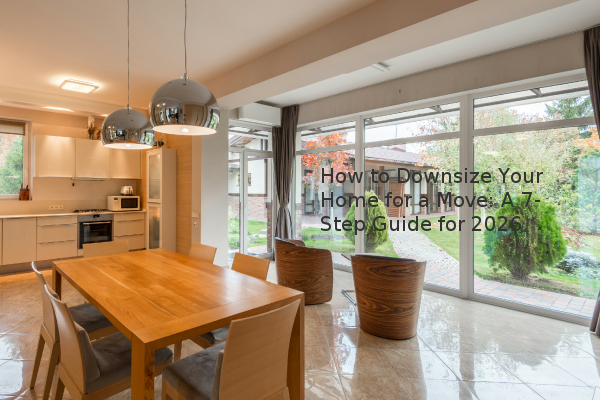
Downsizing your home before a move is a strategic decision that can significantly reduce moving costs, simplify your transition, and help you create a more intentional living space. By systematically sorting your belongings, you can ensure you only bring items that fit and function well in your new home. The core benefit of downsizing is transforming a potentially stressful process into a manageable, cost-effective endeavor, especially when moving companies charge by the hour. This guide provides a clear, seven-step method to efficiently downsize your household.
The most effective first step is to assess your new space. Before packing a single box, understand the layout and dimensions of your new home. This involves more than just square footage; consider the style and function of each room. A critical question to ask is, "Will this item physically fit and serve a purpose in my new home?" For example, oversized den furniture may be impractical in a formal living room, and a large china cabinet could overwhelm a smaller dining area. Avoid the temptation to store non-essential, oversized items indefinitely, as storage fees can accumulate quickly. Based on our experience assessment, unless an item is a valuable heirloom, antique, or holds significant sentimental value, it is often more cost-effective to part with it now.
Closets and storage areas often accumulate the most clutter. Begin your downsizing journey in these spaces to build momentum. A practical method is the "two-season rule": if you haven't worn a clothing item in the past two seasons (approximately six months), it's a strong candidate for donation or disposal, with reasonable exceptions for sentimental pieces. Apply this same discerning eye to your children's closets. Since children outgrow clothes quickly, be even more critical. Only move clothing that currently fits, and donate gently used items. This approach saves on packing materials and reduces the volume of boxes you'll need to transport.
Electronics, such as old laptops, broken phones, and obsolete chargers, often get stored indefinitely. Responsibly recycle these items through a local electronics recycling program instead of throwing them in the trash. The one exception is for unique cables or chargers whose purpose is unknown; place these in a designated "mystery box" during packing. If you don't find a match for them by moving day, recycle them then. Next, address duplicates. It's common to own multiple similar items, like several table lamps or kitchen gadgets. Choose your single favorite from each category of duplicate and downsize the rest. This immediately reduces clutter and ensures you only keep the highest-quality items.
Adopt a systematic sorting strategy by moving through your home from the least-used room (e.g., a guest room or basement) to the most-trafficked (e.g., the kitchen). In each room, handle every item and place it into one of three categories: Keep, Donate, or Toss. If you struggle to decide, a helpful question is, "Does this item bring me joy or serve a necessary function?" An honest "no" means it's time to let it go. Crucially, deal with your Donate and Toss piles immediately. Bag them up and remove them from your home to prevent second-guessing and repacking items you've already decided to part with.
A highly effective final step is to prepare an "open-first" box. This box should contain essential items you will need immediately upon arriving at your new home. Typical contents include:
Clearly label this box "OPEN FIRST" and instruct your movers to place it in an easily accessible spot, such as the kitchen or main living area. This simple preparation prevents the frustration of searching through dozens of boxes after an exhausting moving day.
Downsizing before a move is not about loss but about gaining a fresh start. By following these steps, you can significantly lower your moving costs, reduce unpacking time, and create a living environment free from unnecessary clutter. The key to success is starting early and being decisive.