Browse

Log in / Register
 Share
Share
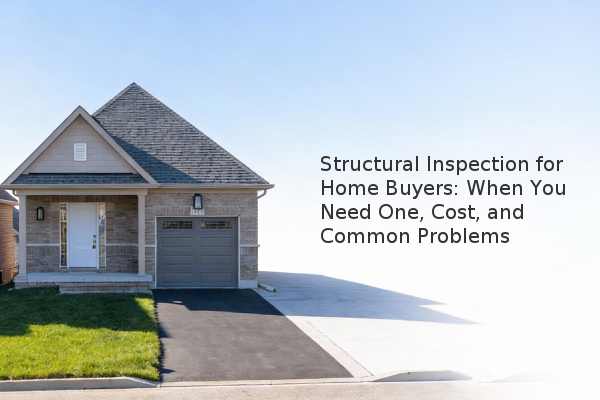
For home buyers, a structural inspection provides a definitive diagnosis of a home’s foundation and framing, offering clarity on whether suspected issues are minor or major. The average cost ranges from $350 to $1,500, with a typical price of around $550. This specialized evaluation, conducted by a licensed structural engineer, is a critical due diligence step when a general home inspection reveals potential red flags, empowering you to negotiate repairs or walk away from a problematic purchase.
A standard home inspection provides a broad overview of a property's condition, but it has limits. When an inspector notes a possible problem with the foundation, floors, or walls, a structural inspection delivers a deeper analysis. Conducted by a licensed structural engineer—a professional with advanced training in the forces that affect buildings—this inspection focuses exclusively on the load-bearing components that ensure a home's stability and safety.
The engineer examines key elements, including:
The goal is to answer two critical questions: What is the cause of the observed issue, and how serious is it? The resulting report provides an authoritative assessment that goes beyond a general inspector's notes.
You should consider a structural inspection if a general home inspector recommends it or if you observe specific warning signs. Based on our experience assessment, the following conditions often warrant a professional structural evaluation:
For buyers, this inspection is a powerful risk mitigation tool. A clean report provides peace of mind, while a problematic one provides leverage for negotiation.
The cost of a structural inspection is not fixed and depends on your location, the home's size, and the inspection's scope. Most often, engineers charge a flat fee. The following table outlines typical cost ranges:
| Service Scope | Typical Cost Range |
|---|---|
| Basic Inspection & Verbal Opinion | $350 - $700 |
| Detailed Inspection with Signed Report | $500 - $1,500+ |
| National Average for Buyers | ~$550 |
A basic inspection usually includes an on-site evaluation and a professional opinion. If the engineer must provide a "stamped" report—a formal document required for renovation permits or confirming major repairs—the cost will be higher. Although this is an added expense during the buying process, it is minor compared to the potential cost of repairing undiscovered foundation issues, which can easily reach tens of thousands of dollars.
A structural engineer’s report will detail any defects and typically suggest remedies. Common issues include:
The bottom line for home buyers is that a structural inspection is a strategic investment. It transforms uncertainty into actionable information. The report either confirms the home is sound or provides the documented evidence needed to request repairs from the seller or withdraw your offer. Ultimately, this professional assessment helps you avoid costly surprises and make a confident purchase decision.