Browse

Log in / Register
 Share
Share
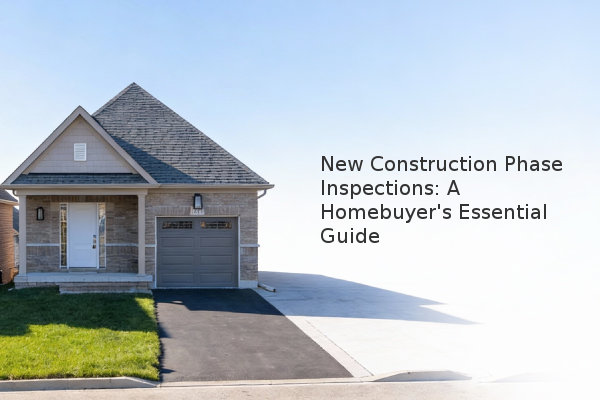
Investing in a new construction home requires a specialized inspection strategy to ensure quality and prevent costly future repairs. Phase inspections, conducted by a licensed professional at critical stages of the build, provide essential oversight. This proactive process verifies that the construction meets building codes, follows approved plans, and addresses issues before they are concealed. For most buyers, scheduling three to four inspections—from the foundation pour to the final walkthrough—is a highly recommended practice that offers significant long-term protection for your investment.
A phase inspection is a series of detailed examinations performed by an independent, licensed home inspector during the construction of a new home. Unlike a single pre-purchase inspection, this process involves multiple site visits at key milestones. The primary goal is to identify problems with structural components, plumbing, electrical systems, and other critical elements while they are still visible and easily correctable. This is a separate process from the mandatory inspections conducted by municipal building officials, which focus solely on code compliance. A phase inspection provides an additional layer of quality control for the buyer.
Phase inspections are typically broken down into three or four distinct stages, depending on whether the home is a custom build or a production model.
1. Pre-Pour Foundation Inspection This first inspection occurs before the concrete for the foundation slab is poured. The inspector examines the site preparation to prevent foundational defects that would be impossible to see later. Key elements checked include:
2. Pre-Drywall Framing Inspection After the home’s frame, roof, and mechanical systems are installed—but before insulation and drywall conceal them—the second inspection takes place. This is your only chance to see the skeleton of the house. The inspector evaluates:
3. Final Inspection When the home is nearly complete, a final inspection mirrors a standard home inspection. The inspector tests all systems and finishes to ensure the home is move-in ready. This inspection is separate from the builder’s cosmetic "blue-tape" walkthrough. The review covers:
4. 11-Month Warranty Inspection This optional but valuable inspection occurs near the end of the builder’s one-year warranty. It assesses how the home has settled after seasonal changes. Any defects related to the original construction can be flagged for repair before the warranty expires.
The cost of phase inspections varies based on the home's size, location, and the number of phases scheduled. Based on our experience assessment, you can expect to pay between $100 and $500 per individual phase. A full package covering the entire build process typically ranges from $800 to $2,000. While this is an upfront cost, it is minimal compared to the expense of fixing a major structural issue discovered after moving in.
To maximize the benefit of phase inspections, coordination and clear communication with your builder are essential.
New construction does not guarantee a problem-free home. Phase inspections are a critical tool for verifying quality workmanship and protecting your investment. By planning these inspections in advance, you gain confidence that your new home is built correctly from the ground up.