Browse

Log in / Register
 Share


Blending traditional and modern decor styles in a home renovation can significantly enhance property appeal and resale value while adhering to a strict budget. Based on our experience assessment, key strategies include selecting versatile flooring, optimizing kitchen layouts, and phasing projects to avoid overspending. This approach ensures a cohesive design that meets diverse preferences, ultimately increasing marketability for homeowners planning to sell in 2026.
How to Choose Flooring That Balances Contrasting Styles?
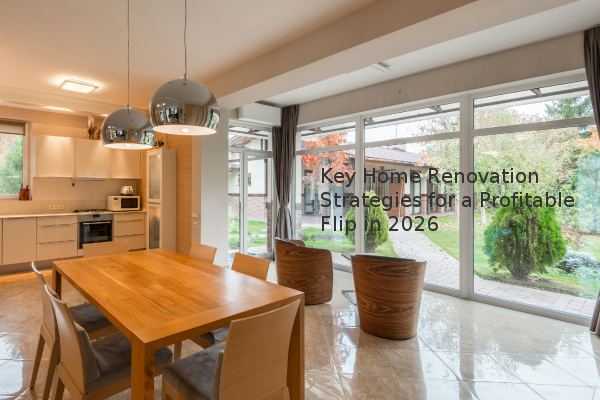
When updating flooring to accommodate different tastes, luxury vinyl flooring (LVT) is a durable and cost-effective option that mimics hardwood. LVT is an engineered product composed of multiple layers, offering water resistance and easy maintenance. In renovations, a chevron pattern—a V-shaped layout that creates a dynamic visual—can add modern flair while complementing traditional elements. Darker floors, such as those in espresso tones, paired with light cabinets can make spaces feel larger and brighter by creating contrast. For instance, in well-lit areas like kitchens, this combination prevents the room from feeling too dark. Based on our experience assessment, investing in quality flooring that flows throughout the home can yield a high return, as it appeals to a broad range of buyers by providing a neutral yet stylish base.
What Backsplash Designs Work with Statement Floors?
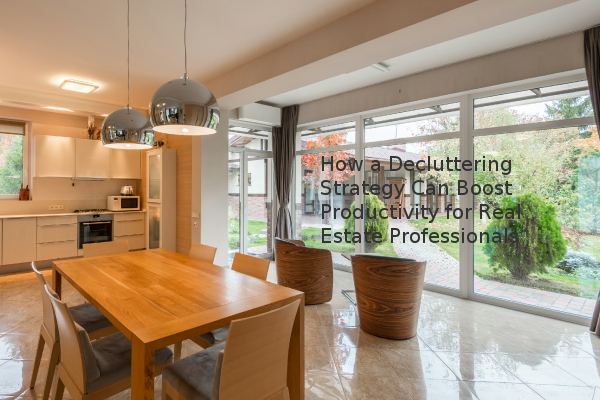
To avoid overwhelming a space with patterned floors, opt for simple backsplash materials like white quartz, which is an engineered stone known for its durability and non-porous surface. This choice maintains brightness and elegance without competing with bold flooring. Carrying the same quartz material from countertops to the backsplash creates a seamless look, while avoiding additional patterns ensures the design remains balanced. In kitchens, this approach supports a clean, modern aesthetic that aligns with current 2026 trends, where minimalism is valued. Homeowners should prioritize functionality and timelessness over trendy details to maximize long-term value.
Why Expand a Kitchen Peninsula for Improved Usability?
Extending a kitchen peninsula—a counter extension attached to the wall—enhances functionality by providing ample seating and storage. A larger peninsula can accommodate family meals and entertaining, making the kitchen a central hub. This upgrade typically involves modest structural changes but significantly improves daily living. Based on our experience assessment, functional kitchen improvements are among the top renovations that boost home value, as they address practical needs for potential buyers. Ensuring the peninsula is proportionate to the space prevents it from feeling cramped, and using materials like quartz for the countertop adds durability.
When Is It Acceptable to Remove Architectural Features?
Removing unwanted architectural features, such as non-standard windows, can be cost-effective if they disrupt symmetry or flow. For example, closing an octagonal window that clashes with rectangular ones might cost around $200, based on typical labor rates in 2026, and can be balanced with built-in shelves to maintain visual interest. However, homeowners should consult professionals to assess load-bearing implications and ensure compliance with local building codes. This step is justified when the feature detracts from the home's overall appeal, but it's crucial to prioritize changes that enhance rather than compromise structural integrity.
How to Phase Renovations to Manage Budgets Effectively?
Phasing renovations allows homeowners to spread costs over time, starting with essential updates like flooring and kitchen cabinets before adding decorative elements. For instance, postponing a backsplash installation in a bar area can save funds without sacrificing functionality. This strategy reduces financial strain and enables adjustments based on evolving needs. Based on our experience assessment, setting a clear priority list—focusing on high-impact areas first—helps avoid overspending and ensures resources are allocated to projects that offer the best return on investment in the current real estate market.
In conclusion, successfully combining decor styles requires careful planning and prioritization. Bold key takeaways include selecting versatile materials like LVT flooring, keeping backsplashes simple, expanding functional spaces, and phasing projects. Homeowners should assess their specific needs and consult with experts to create a realistic timeline and budget for 2026 renovations, enhancing both livability and resale potential.