Browse

Log in / Register
 Share

Embracing dark interior design elements, such as painted black cabinets and large-format tiles, can create a dramatic, sophisticated, and highly personalized living space when executed with intention. While lighter, brighter homes dominate the market, a strategic use of moody colors and bold materials can significantly enhance a property's character. This approach, as demonstrated in high-profile renovations, focuses on creating seamless indoor-outdoor flow and utilizing durable, high-impact materials to transform both large rooms and compact areas into chic, functional environments.
Are Dark Kitchen Cabinets a Good Idea? The choice to install dark kitchen cabinets is a significant departure from the popular all-white aesthetic, but it can yield a powerful design statement. Painted black cabinets, for example, create a moody and dramatic focal point. A critical consideration is the countertop selection; pairing dark cabinets with white counters can create a jarring contrast. A more cohesive look often involves doubling down on the dark theme with a complementary dark stone slab for the counter and backsplash. This creates a unified, elegant vibe. It's important to note that this style is not universally appealing, but for homeowners with a bold personality, it ensures their space is a true reflection of their taste. The key is commitment to the color palette to avoid a disjointed appearance.
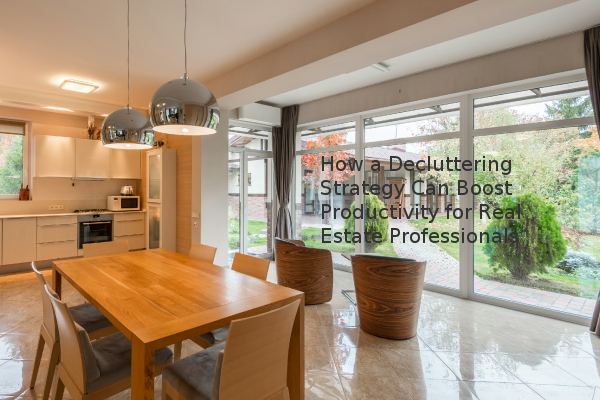
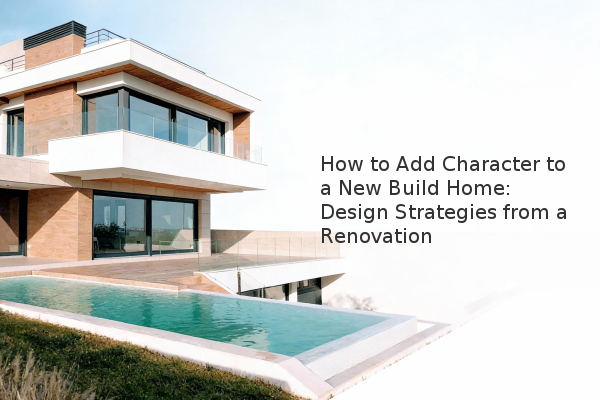
How Can You Improve Indoor-Outdoor Flow? Creating a strong connection between indoor and outdoor living areas is a prime goal in modern home design, significantly enhancing the feeling of space and light. The most effective method is to replace a standard-sized door with an extra-large sliding door system. These systems, which can completely collapse into the wall, effectively remove the barrier between the interior and the patio. This transformation is about more than just a view; it fosters a seamless flow for entertaining and daily living. Prioritizing large, functional openings is fundamental to achieving a true indoor-outdoor experience, making a home feel more expansive and connected to its surroundings.
| Design Element | Common Approach | Bold Alternative | Key Benefit |
|---|---|---|---|
| Kitchen Cabinets | White or Light Wood | Painted Black | Creates a dramatic, sophisticated focal point. |
| Indoor-Outdoor Connection | Standard Sliding Door | Extra-Large Collapsing Slider | Erases the boundary, maximizing light and flow. |
| Small Room Tiles | Small-Scale Mosaic | Large-Format Tiles | Makes the room feel more elevated and spacious. |
What Are the Benefits of Wood Paneling Outdoors? Incorporating wood paneling or slat walls into an outdoor space adds texture, warmth, and a custom-built feel. Using a durable wood like redwood for an exterior slat wall behind an outdoor kitchen counter serves both aesthetic and practical purposes. Cosmetically, it adds visual interest to what would otherwise be a plain wall, elevating the entire area to feel like a natural extension of the home's interior. From a practical standpoint, a wood like redwood is naturally resistant to decay and insects, ensuring the feature will withstand the elements for years to come. This combination of aesthetic appeal and long-term durability makes wood a smart choice for enhancing outdoor living areas.
Should You Use Large Tiles in a Small Bathroom? Conventional wisdom often suggests using small tiles in small spaces, but breaking this rule can have a remarkable effect. Using large-format rectangular tiles in a modest powder room challenges expectations and creates a sense of luxury. The reduced number of grout lines from larger tiles presents a cleaner, less busy visual field, which can make the room feel less cramped and more elevated. This approach demonstrates that thinking big in terms of scale, even in a small footprint, can create a more sophisticated and visually expansive environment than playing it safe with smaller patterns.
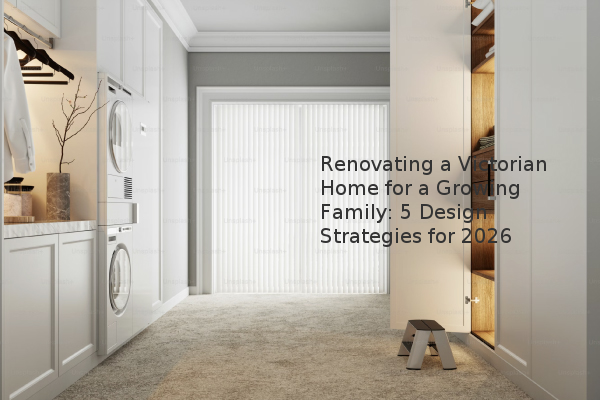
Can a Functional Space Like a Laundry Room Be Chic? Utility rooms, such as the laundry room, are often overlooked in terms of design, but they present a valuable opportunity to extend a home's aesthetic. Relocating laundry machines from an awkward kitchen location to a dedicated area near the bedrooms improves both functionality and flow. Once relocated, applying the same design principles used in the main living spaces—such as consistent cabinetry and countertop materials—creates a cohesive and unexpectedly elegant space. This proves that no area of the home is exempt from thoughtful design, and even the most practical rooms can contribute to the overall stylishness of a property.
Ultimately, successful home design hinges on aligning the space with the homeowner's unique personality and lifestyle. Bold choices, from dark color schemes to large-scale elements, require confident execution but offer unparalleled personalization. Prioritizing durable materials for long-term enjoyment and creating seamless transitions between rooms are investments that enhance daily living. The most impactful homes are those that fearlessly reflect the people who live in them.