Browse

Log in / Register
 Share

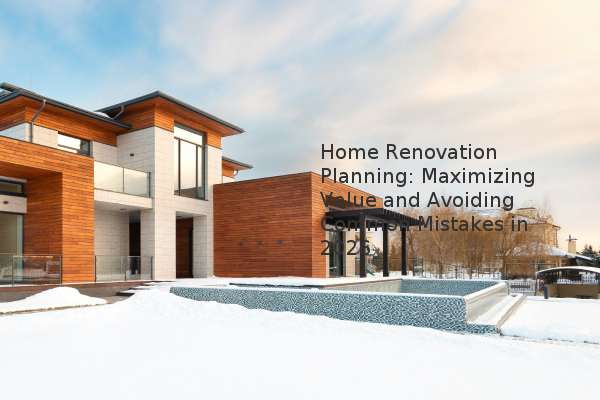
Effective home renovation requires strategic planning, realistic budgeting, and a focus on improvements that genuinely increase property value. For homeowners in 2026, the key is to prioritize projects that maximize usable square footage and avoid the common pitfalls of underestimating costs and timelines. Adding functional space, such as finishing a basement, often delivers a higher return on investment than cosmetic updates.
The most frequent errors involve budget and timeline miscalculations. Based on our experience assessment, homeowners consistently underestimate the complexity of a project. A practical guideline is to add a 15% contingency to both your initial budget and projected timeline. Unforeseen issues, such as delays in material delivery or municipal permitting (the official approval process from local government authorities), are common. Another critical mistake is selecting low-quality materials to save money. For example, installing carpet in high-traffic areas or rental properties often leads to premature wear and replacement costs, making durable flooring a smarter long-term investment.
In the current housing market, the most reliable way to increase property value is by adding functional square footage. While kitchen and bathroom remodels are popular, finishing an unfinished basement or adding a permitted addition typically yields a greater value increase. These projects expand the livable area of the home, which is a primary factor in appraisal value. Before undertaking cosmetic upgrades, evaluate the potential of existing spaces. Converting an attic, finishing a basement, or even creatively reconfiguring a layout to improve flow can provide a more significant financial return.
Blocking refers to the strategic installation of wood supports within the wall framing during construction or a major renovation. This step is often overlooked but is critical for future flexibility. Blocking provides a secure anchor point for mounting heavy items like wall-mounted televisions, floating shelves, or vanities. Incorporating blocking during the framing stage, when walls are open, is simple and inexpensive. Neglecting this step can create significant hassle and expense later if you wish to install secure fixtures, requiring you to open up walls again.
Creating a realistic budget requires accounting for market conditions, including potential supply chain fluctuations and contractor availability. The core principle is to renovate for your own long-term enjoyment and the home's inherent value, not just for immediate resale. Avoid over-improving a property relative to its neighborhood. Allocate funds for quality materials in key areas, as cheaper options can lead to higher maintenance costs. If you are planning a major renovation, obtain multiple quotes from licensed contractors and ensure your budget includes line items for permits, inspections, and a contingency fund for unexpected issues.
To ensure a successful renovation in 2026, focus on these key takeaways: