Browse

Log in / Register
 Share

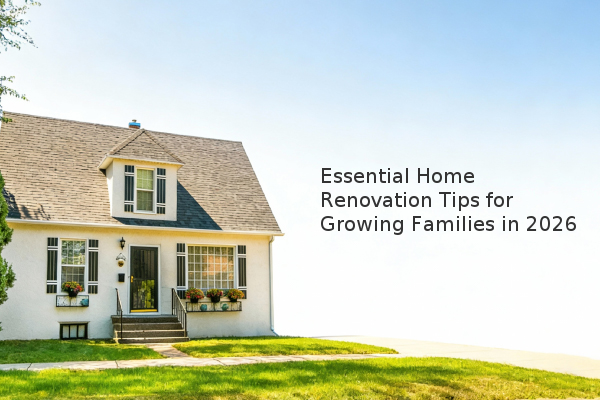
For families expecting a child, upgrading an older home involves strategic improvements to functionality, safety, and energy efficiency. Based on an assessment of common renovation challenges, key priorities include reconfiguring bathrooms for accessibility, upgrading insulation and windows, and selecting multi-functional furniture. These updates are crucial for creating a comfortable, cost-effective environment for a new baby.
Why is a bathtub essential in a family home? While walk-in showers are popular for their modern aesthetic, a bathtub is a non-negotiable feature for households with infants or young children. Bathing a baby in a walk-in shower is impractical and unsafe. A dedicated tub provides a controlled, secure environment for bath time. Furthermore, when designing a bathroom wet zone—the area around the tub and shower that is exposed to water—it is vital to use water-resistant materials like ceramic tile or vinyl plank flooring to prevent water damage. In a small bathroom, combining a tub with an overhead shower is an efficient use of space, catering to both parental convenience and child safety.
How can you improve bathroom accessibility in an older home? A common flaw in older home layouts is a bathroom accessible only through a primary bedroom. This design lacks privacy and is inconvenient for both residents and guests. The solution is to reconfigure the floor plan to create a separate entrance from a common area, such as a hallway or living room. This may involve relocating plumbing and walls, which is a significant undertaking. However, it dramatically improves the home's functionality and future resale value by making the bathroom accessible to all without intruding on private sleeping quarters.
What are the benefits of energy-efficient windows and insulation? Drafty windows and inadequate attic insulation are major sources of energy loss, leading to high utility bills and an uncomfortable indoor environment. For a family with a newborn, maintaining a consistent temperature is a priority.
| U.S. Region | Recommended Attic R-Value (2026) |
|---|---|
| Southern Climates | R-30 to R-60 |
| Mixed Climates | R-38 to R-60 |
| Northern Climates | R-49 to R-60 |
What space-saving nursery furniture is most practical? In a smaller home, selecting multi-functional, scalable furniture for the nursery is key. A convertible crib is an excellent choice. This type of crib can often transform into a toddler bed, and some models include a removable bassinet insert for the newborn stage. This eliminates the need to purchase separate pieces of furniture, saving money and space. Furthermore, opting for a crib on wheels provides exceptional flexibility, allowing parents to easily move the baby to different rooms for supervision or to optimize sunlight and airflow.
Creating a safe and efficient home for your growing family requires a focus on core functional upgrades. Prioritizing bathroom accessibility, modern energy-efficient windows, and adequate attic insulation will enhance daily living comfort and reduce long-term costs. When furnishing the nursery, choosing a versatile, convertible crib offers both immediate practicality and future adaptability. These strategic improvements ensure an older home is perfectly prepared for the arrival of a new family member.