Browse

Log in / Register
 Share

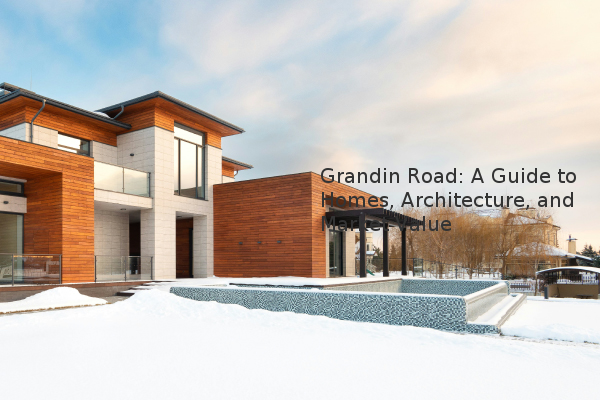
Grandin Road is a historic neighborhood primarily known for its distinct architectural styles, particularly the iconic Grandin Road Tudor, which can influence property values and appeal to a specific segment of homebuyers. Understanding the characteristics of homes on Grandin Road, from their construction details to their position in the local real estate market, is crucial for making an informed buying or selling decision. This guide provides an objective overview based on general market trends.
What Defines the Grandin Road Architectural Style?
The term "Grandin Road" often refers to a specific architectural aesthetic, with the Tudor Revival style being the most prominent. Key features include steeply pitched roofs, decorative half-timbering on exterior walls, and tall, narrow windows, often with multiple panes. These homes were typically built in the early to mid-20th century and are valued for their craftsmanship and character. When evaluating a Grandin Road Tudor, buyers should pay attention to the condition of specialized features. The maintenance of original elements like lead-ed glass windows and specialized plasterwork can significantly impact long-term upkeep costs. It's a style that appeals to those seeking a home with historical charm and distinct personality, but it may require a buyer comfortable with the potential for unique maintenance needs compared to a modern build.
How Does a Grandin Road Address Impact Property Value?
A property's location on a specific, well-regarded road like Grandin Road can be a significant value driver. This is often due to the consistency of the architecture, the established landscaping, and the overall prestige associated with the street. However, value is not determined by the name alone. Property Tax assessments, which are levied by local governments to fund public services, are based on the estimated market value of the home and land. Therefore, a well-maintained Grandin Road home will have a higher assessed value and subsequent tax bill than a comparable property on a less sought-after street. The value is intrinsically linked to the home's condition, size, and the current competing listings in the immediate area. A real estate agent can provide a Comparative Market Analysis (CMA), a report that compares the subject property to recently sold similar homes, to determine a competitive listing or offer price.
| Feature | Potential Impact on Value | Consideration for Buyers |
|---|---|---|
| Original Hardwood Floors | High Positive Impact | Check for refinishing needs or damage. |
| Updated Kitchen/Bathrooms | High Positive Impact | Ensure renovations are permitted and high-quality. |
| Historical Designation | Variable Impact | May limit exterior modifications but can ensure preservation. |
| Older Roof/HVAC System | High Negative Impact | Budget for imminent replacement costs. |
What Should Buyers and Sellers Focus On?
For buyers, the priority is a thorough inspection. Given the age of many Grandin Road homes, hiring inspectors specialized in older properties is advisable. They can assess the integrity of the foundation, the electrical and plumbing systems, and the roof. For sellers, curb appeal is paramount. Highlighting the home's original charm while ensuring all systems are in good working order can justify a premium asking price. In any transaction involving a character home, Title Insurance is essential. This is a form of indemnity insurance that protects the homeowner and lender from financial loss due to defects in the property title, such as unknown liens or ownership disputes. Both parties should work with experienced professionals familiar with the nuances of historic or architecturally significant properties.
Key considerations for a Grandin Road property revolve around its unique architecture, which offers charm but requires diligent evaluation. The market value is influenced by the home's condition and location prestige, but a professional inspection and market analysis are non-negotiable for an accurate assessment.