Browse

Log in / Register
 Share

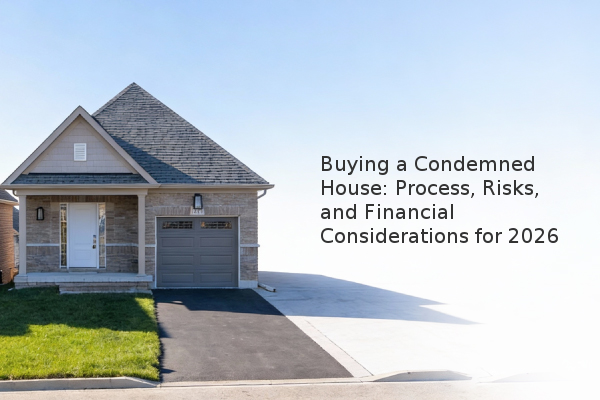
Purchasing a condemned house can provide a significant discount, but it requires navigating complex legal and financial challenges. The primary benefit is the potential for acquiring a property far below market value, often for little more than the land's worth. However, this path is best suited for experienced investors or cash-ready buyers, as condemned properties are typically ineligible for traditional mortgages and carry substantial renovation costs and liability risks. Success hinges on a thorough due diligence process, including a professional property inspection and title search, to uncover all existing issues and liens.
A condemned house is a property officially declared unsafe or unfit for human habitation by a local government authority, such as a code enforcement agency. This legal status, known as condemned status, prohibits anyone from living in the home until major repairs are made and the government re-inspects and "lifts" the condemnation. Despite this restriction, condemned properties can still be bought and sold. The purchase is often complex, involving entities like banks or municipal governments rather than individual homeowners, and requires a clear understanding of the steps needed to bring the property back to a habitable condition.
Homes are condemned for a variety of safety and health reasons, not solely extreme disrepair. Common causes include:
While the basic steps of making an offer and closing resemble a standard purchase, buying a condemned property involves unique complexities. The first critical step is identifying all parties with a claim to the property. You may be negotiating with a city government, a bank that holds a mortgage lien, or a tax authority due to unpaid taxes. This often requires more time and specialized negotiation skills. Key steps include:
Traditional mortgages are generally not an option for condemned homes because lenders will not finance a property deemed uninhabitable. Buyers typically need to explore other avenues:
| Financing Option | Description | Best For |
|---|---|---|
| Cash Purchase | Using personal funds to buy the property outright. | Investors with available capital seeking to avoid loan interest. |
| Hard Money Loan | A short-term, asset-based loan from private lenders. | Fix-and-flip investors who plan to renovate and sell quickly. |
| Construction Loan | A short-term loan to cover the cost of building or rehabbing. | Owner-occupants planning a major rebuild who will later refinance. |
It is essential to have your financing secured before making an offer, as dealing with government or bank-owned properties often requires proof of funds.
The potential for profit is balanced by significant risks that can turn a bargain into a financial burden. The most considerable risk is that renovation costs will exceed the property's final market value. Unforeseen issues like foundation repairs or environmental remediation can escalate budgets quickly. Additionally, as the property owner, you assume liability for any injuries or nuisances the vacant property causes to neighbors, such as trespassing accidents or pest problems. Finally, the process of dealing with multiple lien holders and government agencies can be time-consuming and fraught with bureaucratic delays.
Buying a condemned property is a high-risk, high-reward strategy that is not suitable for novice buyers or those without significant financial resources. Success depends on meticulous research and professional guidance. The most critical steps are to secure specialized financing, perform an exhaustive inspection and title search, and obtain a clear list of requirements from local authorities to lift the condemnation. For those prepared for the challenge, the potential for building substantial equity exists, but it is vital to enter the process with a clear-eyed view of the pitfalls.