Browse

Log in / Register
 Share

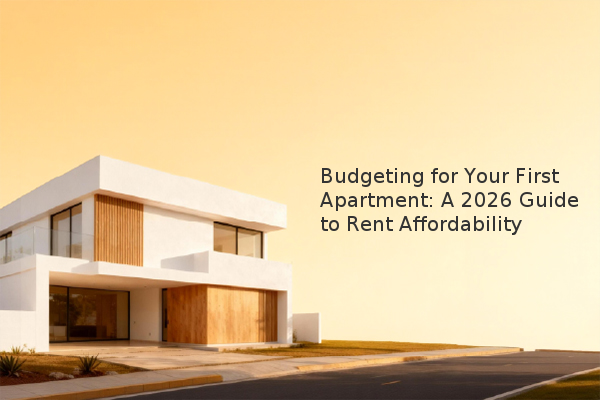
Renting your first apartment is a major financial commitment. The core principle for a sustainable budget is that your monthly rent should not exceed 30% of your gross monthly income. This guideline, often called the 30% rule, is a standard benchmark used by landlords and financial advisors to gauge affordability. Sticking to this rule helps ensure you have sufficient funds for other essential expenses, savings, and emergencies. Based on our experience assessment, deviating significantly from this ratio can quickly lead to financial strain.
The 30% rule is a personal finance principle suggesting that you should spend no more than 30% of your gross monthly income on rent. For example, if your annual salary is $50,000, your gross monthly income is approximately $4,167. Applying the 30% rule, your target rent should be around $1,250 per month. This rule provides a clear, initial filter for your apartment search, helping you narrow down options within your financial comfort zone. It's important to note that this is a pre-tax calculation; using your take-home pay will result in a more conservative and often safer budget.
Your financial planning must extend beyond the base rent to include utilities. Utilities refer to essential services like electricity, gas, water, sewage, and internet. It is not uncommon for these costs to add $150 to $300 or more to your monthly expenses. When evaluating an apartment, always ask which utilities are included in the rent. Some properties cover water or trash removal, which can represent significant savings. Therefore, your total housing cost is Base Rent + Your Share of Utilities. Budgeting for this total amount, rather than just the rent, prevents unexpected shortfalls.
A comprehensive budget accounts for all recurring obligations. Beyond housing, you must include:
To manage these, consider using a budgeting spreadsheet or a financial app linked to your bank accounts to automatically categorize spending. The goal is to identify where your money is going and prevent what financial experts call "budget leakage."
Sharing a two-bedroom apartment with a roommate is one of the most effective ways to reduce housing costs. While the median rent for a one-bedroom apartment might be $1,300, a two-bedroom unit may only cost $1,600. By splitting the rent and utilities, each occupant could pay around $800, plus half the bills. This can free up substantial cash for savings or debt repayment. However, it's crucial to choose a reliable roommate and understand your lease agreement. If all tenants are on a single lease, you could be held responsible if your roommate fails to pay their share.
Consistent budgeting for your apartment can directly contribute to saving for a home. The discipline of tracking income and expenses makes it easier to identify surplus cash that can be redirected into a savings account for a down payment. For instance, if you save the difference between a pricier one-bedroom apartment and a more affordable studio or shared unit, you can accumulate a significant fund over time. Setting up an automatic transfer from your checking to your savings account immediately after each paycheck is a highly effective "set-it-and-forget-it" savings strategy.
Creating a realistic budget is the most critical step in securing your first apartment. By adhering to the 30% rule, accounting for all utilities and living expenses, and considering cost-saving options like roommates, you can achieve financial stability while enjoying your new independence. This disciplined approach not only covers your immediate rental needs but also lays a strong foundation for future financial goals, including homeownership.