Browse

Log in / Register
 Share
Share

Effective kitchen staging can significantly increase your home's appeal to potential buyers, directly impacting the final sale price. Based on our experience assessment, a well-staged kitchen is one of the most critical factors in a successful home sale. This article outlines actionable, cost-effective staging strategies designed to help you present your kitchen in its best light and secure a competitive offer.
The primary goal of kitchen staging is to create a sense of spaciousness and cleanliness. This begins with a thorough decluttering process. Remove all small appliances like coffee makers, blenders, and toasters from the countertops. It is also crucial to clear items from the top of the refrigerator and remove magnets, papers, and old cookbooks from visible surfaces. Homeowners often become accustomed to their own clutter, but buyers need to visualize the space as their own. The only items that should remain are simple, decorative pieces like a bowl of fresh fruit, which adds a pop of color without contributing to visual noise.
A pristine kitchen is non-negotiable. Beyond wiping down countertops, focus on often-overlooked areas like grout lines, faucets, and the rim of the drain. Using a product designed to remove calcium, lime, and rust can ensure water flows smoothly and fixtures shine. Appliance fronts and cabinet surfaces should be wiped free of dust and grime. For greasy splatters on the stovetop and backsplash, a solution of vinegar and water can be effective. Addressing minor imperfections, such as burns on a stovetop, can make an appliance look significantly newer and well-maintained.
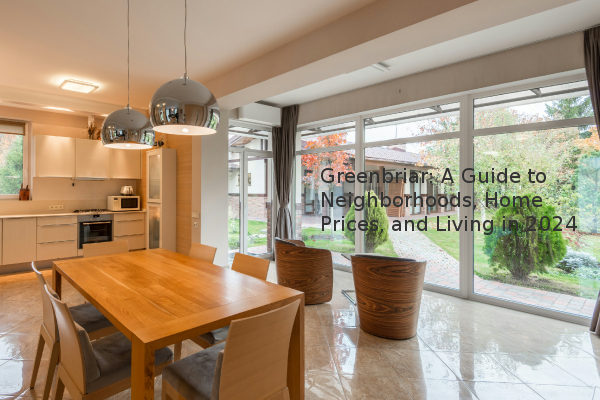
Maximizing light is a powerful staging technique. Open heavy drapes or replace them with sheer panels to allow for maximum natural light. Ensure any glass doors leading to outdoor spaces are spotless to illuminate the interior. If your kitchen lacks under-cabinet lighting, consider installing inexpensive, battery-powered puck lights. This adds a warm, functional glow that highlights the workspace. Minimal window treatments, such as a simple valance, can help the space feel larger and more open by drawing attention to the windows themselves.
Yes, potential buyers will likely open cabinets, drawers, and the pantry to assess storage capacity. An organized interior suggests ample, functional space. Avoid overstuffing shelves; instead, create negative space by lightening stacks of plates and bowls. For open shelving, consider displaying a few organized items like clear storage containers or a neat stack of cookbooks. This approach demonstrates the kitchen's functionality without making the area feel cramped. An orderly pantry with uniform containers for staples like pasta and rice can also create a strong, positive impression.
| Staging Area | Key Action | Recommended Product/Technique |
|---|---|---|
| Countertops | Clear all appliances and clutter | Bowl of fresh fruit for color |
| Surfaces | Deep clean grout and fixtures | CLR cleaner, vinegar-water solution |
| Lighting | Enhance natural and artificial light | Battery-powered under-cabinet puck lights |
| Storage | Organize interior cabinets and pantry | Clear containers, neat stacking |
The final touch is adding decor that suggests a warm, inviting lifestyle without being personal. Setting the kitchen or dining table with simple elements like a colorful runner, a carafe, or a centerpiece with fresh flowers can help buyers imagine living in the space. The goal is to create a scene of daily life that is neutral and appealing. Avoid personal photographs or highly specific decor items; instead, focus on universal elements that feel fresh and modern.
In conclusion, a strategically staged kitchen is a powerful sales tool. By focusing on decluttering to maximize space, executing a meticulous deep clean, optimizing lighting conditions, organizing storage areas, and adding neutral, welcoming decor, you can significantly enhance your home's marketability. These steps help potential buyers connect emotionally with the property, often leading to a quicker sale and a more favorable final price.