Achieving a high-end, custom look in your home does not require an unlimited budget. Based on our experience assessment, strategic investments in key areas like flooring, countertops, and major furniture can create a luxurious feel while maximizing your return on investment (ROI). The core principle is to prioritize durability and daily use over fleeting trends, ensuring your upgrades add value for years to come.
What Defines a Luxurious Home in 2026?
Modern luxury is increasingly defined by customization and personalization, not just expensive brand names. True luxury is creating a space that reflects your personality and point of view. This means investing in elements that make the home uniquely yours, from a curated gallery wall to a statement light fixture. This approach often yields a more sophisticated and satisfying result than simply filling a room with high-cost items.
Where Should You Prioritize Your Home Design Budget?
The most common design mistake is overspending on visually prominent but infrequently used items, like a decorative coffee table, while skimping on the components you interact with daily. Your budget should first address items that receive the most wear and tear and contribute significantly to your home's value.
- Invest in Major Furniture and Surfaces: Allocate a larger portion of your budget to a quality sofa, mattress, and kitchen cabinets. These pieces are used constantly and their durability impacts daily comfort. Similarly, countertops and flooring are not just about aesthetics; they need to be durable and feel good to the touch. Choosing quality materials here is a practical decision that pays off in longevity and resale value.
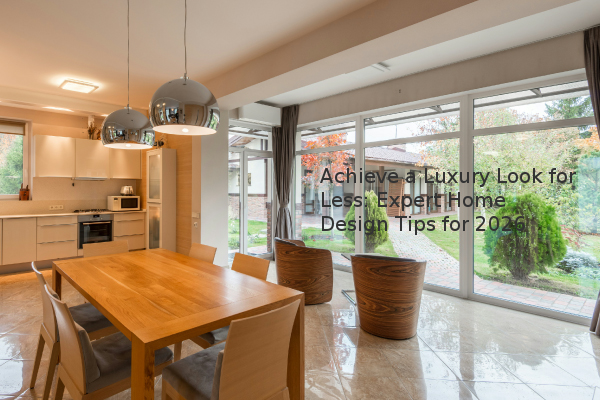
- Focus on Lighting: Great lighting, especially statement chandeliers and fixtures, is a powerful yet often underestimated tool. It can define the mood of a room and elevate the entire design scheme without the need for a full renovation.
What Are Clever Money-Saving Design Hacks?
Achieving a luxe look for less involves creative problem-solving. Simple techniques can replicate high-end finishes at a fraction of the cost.
- Simplify Paint Schemes: Using the same paint color and finish on walls, trim, and ceilings can create a seamless, expansive look. This approach also saves money by reducing the need for multiple paint types and simplifying the labor process, as a single crew can often complete the job more efficiently.
- Seek Out Discounted Materials: Inquire about end-of-run flooring or tile discounts. When manufacturers discontinue a style, retailers sell the remaining inventory at a significantly reduced price. This is an excellent way to get high-quality materials for less.
- Consider Refurbishment: For appliances, look into scratch-and-dent models and simply replace a single panel. This requires extra research but can lead to substantial savings on major purchases.
How Can You Refresh Your Home Without a Major Renovation?
You don't need a full-scale project to keep your home feeling current. Small, strategic updates can make a significant impact.
- Embrace Paint Trends: The most accessible way to follow trends is through paint colors. Trends in interior design often start on fashion runways and trickle down to home decor. Painting a ceiling, a piece of furniture, or an accent wall is a low-cost, high-impact way to introduce a new color.
- Update Key Areas Periodically: Kitchens and primary bathrooms offer the highest ROI. After many years, updating plumbing fixtures, cabinet hardware, and lighting in these spaces can modernize the entire home and add tangible value.
- Incorporate Personal Art: Instead of buying expensive art, support local artists at weekend fairs or shows. You can acquire unique, original pieces for lower prices, adding a personal touch that mass-produced art cannot match.
The most important tip is to enjoy the design process and feel empowered to make changes that bring you joy. People can feel the energy in a well-loved home. Don't put excessive pressure on yourself; focus on creating a space that reflects your personality and meets your needs through strategic choices and personal touches.


 Share