Browse

Log in / Register
 Share

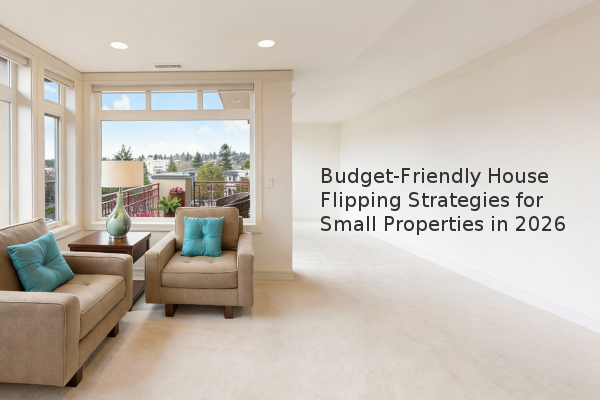
Flipping a small, challenging property can yield significant profits by focusing on strategic, budget-conscious upgrades that maximize perceived space and buyer appeal. Based on an analysis of a recent project, key strategies include investing in high-impact exterior details, maintaining neutral interior palettes, and creatively converting underutilized areas. For a property purchased for $625,000, these tactics contributed to a final sale price of $888,888, resulting in a profit of $75,888. The success of a flip often hinges on prioritizing upgrades that offer the highest return on investment (ROI) for the specific property type.
The first impression a home makes is critical, especially when the square footage is limited. For a small house, enhancing curb appeal becomes a cost-effective method to attract buyer interest before they even step inside. A primary upgrade involves the front door. Installing a new door with glass panes, painted in an elegant color like deep blue, creates a welcoming and unique focal point. This relatively small investment can significantly elevate the home's exterior aesthetic. Additionally, adding tile to stair risers using leftover materials from other parts of the house creates a cohesive and visually interesting entryway. These exterior improvements are often more impactful on smaller homes because they draw attention to the property's charm rather than its size.
In a compact kitchen, every design choice is magnified. Using neutral colors for cabinets, such as white and gray, is crucial for maintaining a bright, open feel that appeals to the broadest range of buyers. Bold or personalized color choices can be risky in a small space, as a buyer's dislike for a specific shade can negatively impact their perception of the entire room. While a two-tone cabinet scheme (white uppers with gray lowers) can add depth, it's important to assess the space carefully; in very tight kitchens, a single, light color may be safer to avoid a cluttered look. Pairing neutral cabinets with quality materials like quartz countertops and herringbone-pattern subway tile ensures the space feels elegant and modern without overwhelming it.
Bathrooms in small homes benefit from an understated, elegant design that emphasizes quality over complexity. Choosing a classy, understated gray tile for the walls and floor creates a timeless look. To add character without a major expense, installing shiplap on a feature wall, such as behind the vanity, introduces a modern farmhouse aesthetic. Shiplap is a relatively inexpensive material that delivers a high-design impact, making it an ideal choice for flips where budget control is essential. The goal is to create a spa-like atmosphere that feels like a retreat, maximizing the perceived value of the limited space.
Transforming an underutilized area like a one-car garage into a functional room is a powerful way to add perceived square footage to a small property. Converting this space into a home office or utility room effectively expands the home's livable area. This involves insulating the space, adding proper flooring, and ensuring it feels like an extension of the main house. Even if the finished area is compact, its functionality—such as housing a washer/dryer and a desk—adds significant value. Creatively repurposing non-living spaces is a key strategy for increasing the marketability of a small home, making it feel more spacious and versatile to potential buyers.
Understanding the financials is critical for any flip. The initial purchase price is just one component of the total investment. For a project to be profitable, all costs must be carefully tracked, including:
The break-even price—the point at which all costs are covered—is $813,000. Any sale price above this amount represents profit. In this case, a sale price of $888,888 resulted in a net profit of $75,888. This demonstrates that even with a high renovation cost relative to the purchase price, disciplined budgeting and strategic upgrades can lead to a successful outcome.
The most effective flipping strategies for small properties involve enhancing curb appeal, adhering to neutral interior designs, and creatively converting existing spaces to maximize functionality. By focusing on high-ROI upgrades and maintaining strict budget control, flippers can navigate the challenges of a compact property and achieve a profitable sale.