Browse

Log in / Register
 Share

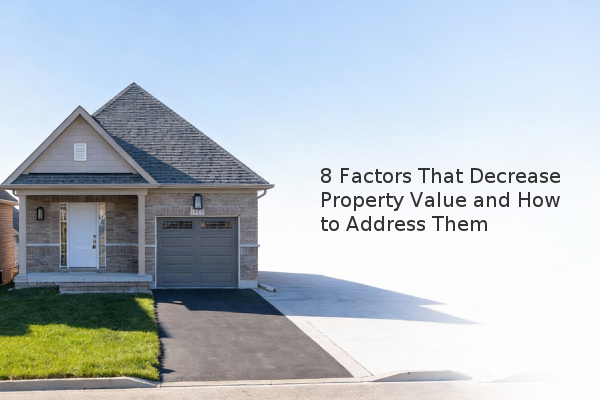
Understanding the key factors that can decrease your home's value is crucial for protecting your investment. While some elements are beyond your control, many issues—from neglected maintenance to poor curb appeal—can be proactively managed. This guide outlines the most common value detractors, distinguishing between problems you can fix and those you must simply acknowledge, providing a clear path to maximizing your property's worth.
What are the most common factors that bring down property value?
Several common factors can negatively impact property value. These generally fall into two categories: controllable factors, which homeowners can address through maintenance and updates, and uncontrollable factors, such as market conditions or location challenges. Focusing on the elements within your control is the most effective strategy for preserving your home's value.
Neglected maintenance is a primary factor that signals to potential buyers that a home may require significant, immediate investment. Critical systems like an aging HVAC (Heating, Ventilation, and Air Conditioning) system, a worn-out roof, or a failing water heater are major red flags. Even smaller, deferred repairs can accumulate, creating an impression of a poorly cared-for property. Buyers often use a home inspection contingency in their contract to negotiate a lower sale price to account for these anticipated costs.
Yes, both outdated design choices and poor curb appeal can negatively influence a buyer's perception and the final offer price. While buyers aren't necessarily seeking the latest trends, homes that feel stuck in a previous decade can be seen as a project. Overly personal design choices, like bold accent walls or unique fixtures, can make it difficult for buyers to envision themselves living there. Similarly, a home's exterior creates the first impression; overgrown landscaping, peeling paint, or a cluttered yard can suggest that the interior may also be neglected.
Unpermitted work refers to renovations or additions completed without the required permits from the local building authority. This can create substantial complications during a sale. Lenders may refuse to finance the property, and buyers may request a price reduction to cover the cost of bringing the work up to code or the risk of future fines. An appraiser may not count the square footage of an unpermitted addition toward the home's total value.
Bad odors from pets, smoking, or mildew are powerful deterrents that can cause buyers to leave quickly. These smells suggest underlying cleanliness or moisture issues. Over-customization, such as a highly specialized home theater or a converted garage into a permanent gym, can also limit a property's appeal. While these features suited your lifestyle, they may not align with a buyer's needs, making the home feel less versatile.
Some factors that affect property value are simply beyond a homeowner's control. These include:
While you cannot change these factors, you can mitigate their impact. Being transparent with buyers and emphasizing your home's positive attributes, such as recent upgrades or a well-maintained interior, is essential. Working with an experienced real estate agent can help you price your home accurately and market it effectively within its specific context.
To protect and enhance your property's value, focus on the elements you can influence. Consistent maintenance, neutral decor, strong curb appeal, and properly permitted improvements are the most reliable ways to maintain your home's market standing. For issues beyond your control, realistic pricing and strategic marketing are your best tools for a successful sale.