Browse

Log in / Register
 Share

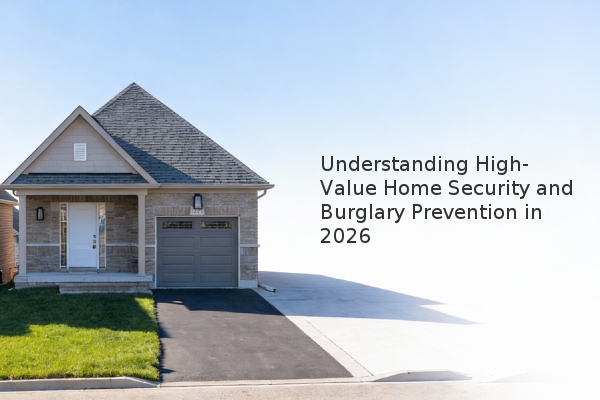
For owners of high-value properties, a comprehensive security strategy is the most effective defense against targeted burglaries. Based on our experience assessment, these crimes often involve sophisticated methods, and proactive measures are critical for protecting your investment and privacy. This article outlines the essential steps for securing a luxury home, from advanced alarm systems to community-wide vigilance.
What are the common characteristics of burglaries targeting high-value homes? Recent patterns indicate that burglaries targeting luxury properties are often conducted by organized groups. These incidents frequently occur when the homeowners are away, such as during publicized events or travel. The methods can be sophisticated, including surveillance of the property and the use of specific tools to bypass standard security measures. Understanding these patterns is the first step in developing an effective prevention plan. It is important to install security systems that include monitored alarms, motion-activated lighting, and security cameras that cover all potential entry points.
How can you enhance physical security for a luxury property? Physical security forms the foundational layer of protection. This includes reinforcing entry points like doors and windows with impact-resistant materials. A perimeter security assessment by a professional can identify vulnerabilities unique to your property's layout. For estates with large grounds, consider integrating perimeter fencing, gate access controls, and even seismic sensors that can detect intruders before they reach the main structure. These physical deterrents, combined with clear signage indicating the presence of a security system, can significantly reduce the likelihood of a break-in attempt.
What role does technology play in modern home security? Modern technology offers unprecedented tools for property protection. A fully integrated smart home security system can provide real-time alerts and remote monitoring via smartphone applications. Key components include high-definition video doorbells, glass-break sensors, and smart locks. These systems can be programmed to simulate occupancy by turning lights on and off when you are away. Furthermore, establishing a relationship with a reputable security monitoring company ensures that authorities are dispatched immediately in the event of an alarm trigger, providing a critical rapid-response capability.
What should be included in a protocol for property management during absences? When the homeowner is absent, a clear protocol for property management is essential. This involves informing trusted neighbors or a property manager of your travel plans without sharing details publicly. Arrange for regular lawn maintenance and mail collection to maintain the appearance of an occupied home. Avoid discussing travel plans on social media, as this information can be used to target your property. If you employ staff or have frequent visitors, ensure they are trained on security procedures, including how to arm/disarm the system and whom to contact in case of suspicion.
Conclusion Securing a high-value home requires a multi-layered approach that combines physical reinforcements, advanced technology, and vigilant practices. The most effective strategy is a proactive one, tailored to the specific risks associated with your property. By implementing these measures, homeowners can better protect their assets and ensure their peace of mind.