Browse

Log in / Register
 Share

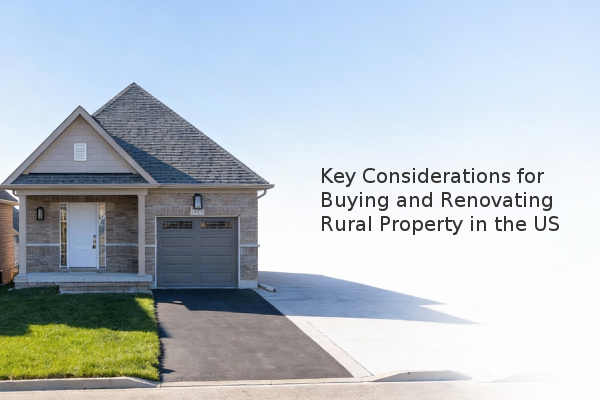
Purchasing a rural property offers a unique lifestyle but requires careful planning to navigate distinct challenges. Based on our experience assessment, the core considerations involve understanding zoning regulations, managing renovation projects with potential neighbor objections, and adjusting to the responsibilities of land maintenance. A successful purchase hinges on thorough due diligence beyond the property's aesthetic appeal.
Zoning laws in rural areas can be significantly different from urban settings. Before purchasing, it is critical to research the local zoning ordinances, which govern land use. For example, a property zoned for agricultural use may have restrictions on the type and scale of renovations you can undertake. Obtaining the necessary building permits is a non-negotiable step; a permit is official permission from the local government to proceed with construction, ensuring the work complies with safety codes. Failure to secure proper permits can result in fines, forced demolition of work, and legal disputes with neighbors, often referred to as a "planning clash." Always consult with the local planning department to understand any restrictions, including those related to environmental concerns like flood plains or historical site preservation.
Renovating a rural property often involves complexities not found in cities. You may need to manage septic systems instead of municipal sewer lines—a septic system is an underground wastewater treatment structure—and well water instead of public water. These systems require specific maintenance and can influence where additions are built. Furthermore, construction logistics are more challenging; delivering materials and coordinating contractors can be costlier and take longer. It is advisable to hire architects and contractors with specific experience in rural properties. They can anticipate issues related to the land's topography and ensure that extensions, such as a single-story addition, do not inadvertently increase flood risks for your property or neighboring parcels.
A rural property can be a valuable long-term investment, but it requires a strategic approach. The initial purchase price may be lower than an urban equivalent, but you must budget for ongoing property taxes and higher maintenance costs for features like large tracts of land or outbuildings. Property tax is a levy assessed on real estate by the local government, which can vary widely by county. While buying a property with the intention of improving and selling it for a profit—a strategy known as flipping—can be lucrative, it is not predictable. Market dynamics in rural areas can be less liquid. A disciplined approach involves making improvements that add genuine value, such as modernizing kitchens and bathrooms, rather than over-personalizing the space.
Embracing a rural lifestyle also means adapting to living closer to nature, which can include local wildlife. This adjustment is part of the property's long-term appeal but requires a mindset shift from urban living. Successful rural ownership combines diligent research, realistic budgeting, and a respect for the community and environment.