Browse

Log in / Register
 Share

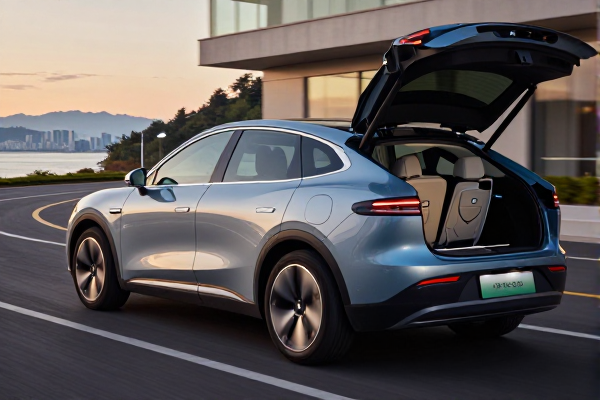
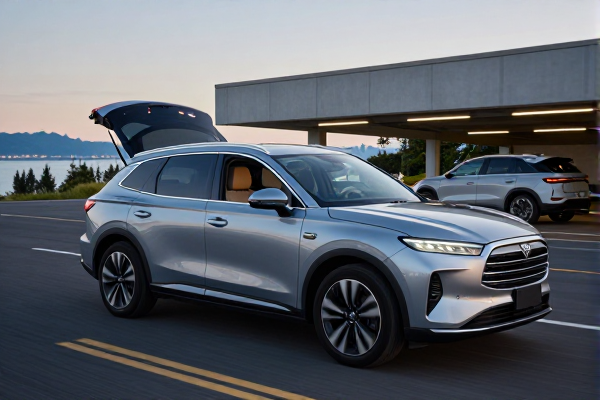
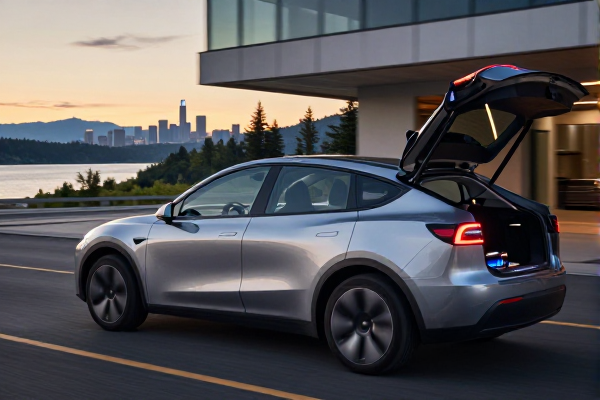
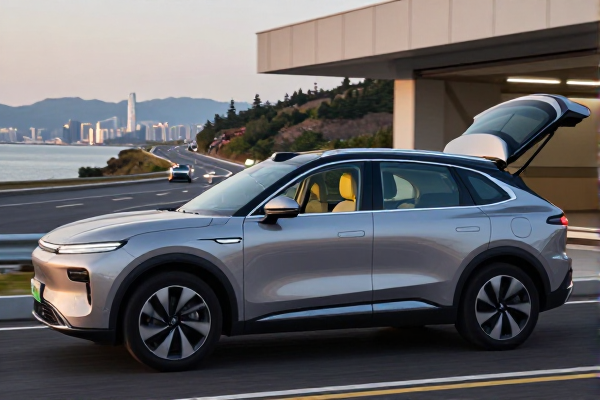
April 23, 2025 – Waymo, the autonomous driving technology leader under Alphabet, has officially rolled out its next-generation self-driving vehicle for public ride-hail passengers. The new fleet, built on a custom electric platform in partnership with Chinese automaker Zeekr, began accepting riders in select areas of Phoenix and San Francisco this week, marking a significant step toward commercializing fully driverless mobility at scale.
Unlike previous iterations that relied on retrofitted Jaguar I‑PACE and Pacifica minivans, the new Zeekr‑based vehicle is purpose‑built for autonomy. It features a redesigned sensor suite that reduces component count by 40% while increasing range and resolution. Waymo says the new platform is also 30% cheaper to manufacture than its predecessor, a critical factor for profitability as the company pushes toward expanding its service area.
“This vehicle represents years of refinement and the culmination of our sixth‑generation Waymo Driver system,” said Satish Jeyachandran, Waymo’s vice president of engineering, in a press briefing. “We’ve designed it from the ground up to be safer, more comfortable, and more accessible than any robotaxi we’ve operated before.”
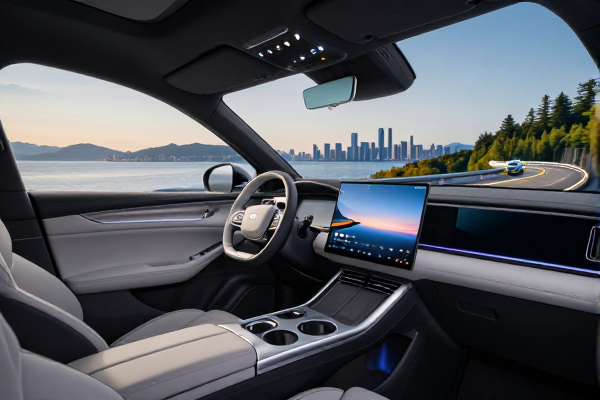
The new vehicle’s interior is notably more spacious, with a flat floor, wider doors, and a configurable seating layout that can accommodate up to five passengers. Every seat is equipped with a personal display showing trip progress, estimated arrival time, and safety information. Riders can also control the climate and audio through a central tablet. Waymo says the design prioritizes accessibility for passengers with disabilities, including space for a wheelchair and visual cues for the hearing impaired.
Initial deployments are limited to parts of downtown Phoenix and the Chandler area, as well as neighborhoods in San Francisco’s SoMa and Mission districts. Waymo expects to expand to all current service areas within the next three months, pending regulatory approvals. The company currently operates the only fully driverless ride‑hail service in two major US cities, having completed over 2 million paid trips as of early 2025.
Industry analysts view the new vehicle as a crucial milestone. “Purpose‑built robotaxis are the key to making autonomous ride‑hail economically viable,” said Sam Abuelsamid, principal analyst at Guidehouse Insights. “Waymo’s move to a dedicated platform, combined with a lower cost structure, gives it a clear advantage over competitors who are still modifying existing consumer cars.”
The launch also comes amid increasing regulatory scrutiny of autonomous vehicles after a series of incidents involving competitors. Waymo emphasizes that its new vehicle adheres to the latest safety standards, including redundant braking, steering, and computing systems. The company has released data showing its vehicles have a collision rate 60% lower than human drivers in comparable conditions.
For riders, the experience remains familiar: they hail a ride through the Waymo One app, and the vehicle arrives without a human driver. However, the new vehicle’s smoother acceleration and braking, along with improved cabin noise insulation, have drawn positive early feedback. “It feels like a luxury sedan, not a prototype,” said a frequent rider in Phoenix who has used the service for six months.
Looking ahead, Waymo plans to introduce the Zeekr‑based vehicle in Los Angeles and Austin by the end of 2025, and eventually expand internationally. The company is also working on a smaller, lower‑cost version for short‑distance urban trips.
The new vehicle is available now for existing Waymo One users in the designated zones. New riders can sign up for the waitlist on the company’s website. As Waymo scales its fleet, the question remains whether the improved economics will allow it to finally turn a profit—a challenge that has eluded the entire autonomous vehicle industry. For now, the company is betting that a purpose‑built, cost‑efficient robotaxi is the answer.