Browse

Log in / Register
 Share

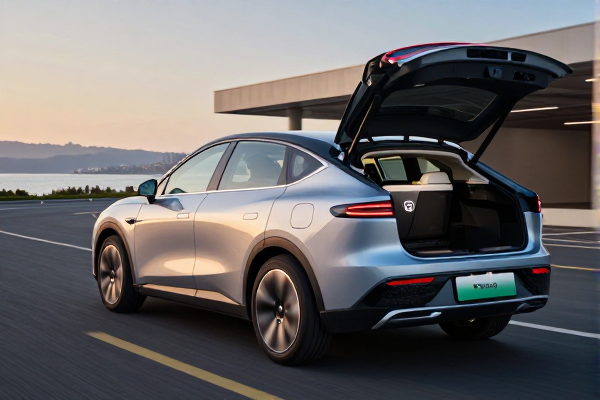
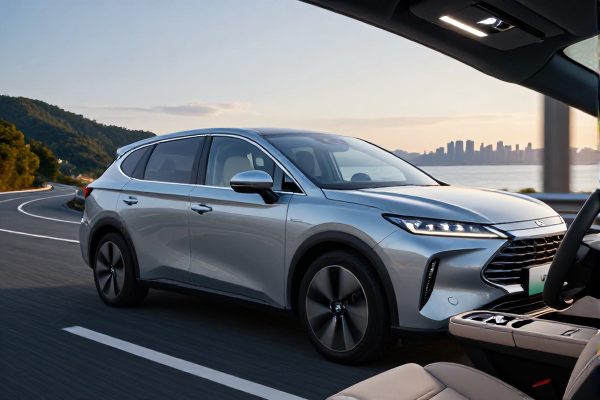
August 20, 2025 – The U.S. government’s high walls against Chinese electric vehicles are quietly being scaled by an American tech darling. Waymo, the country’s largest autonomous ride-hailing company, has reportedly imported over 3,200 vehicles from China’s Zeekr (a Geely brand) since 2024, with more than 2,600 arriving in the past year alone. The move lays bare a painful irony: attempts to block Chinese EVs are pushing innovative U.S. firms to rely on the very supply chain policymakers want to isolate.
A legal loophole, a practical necessity
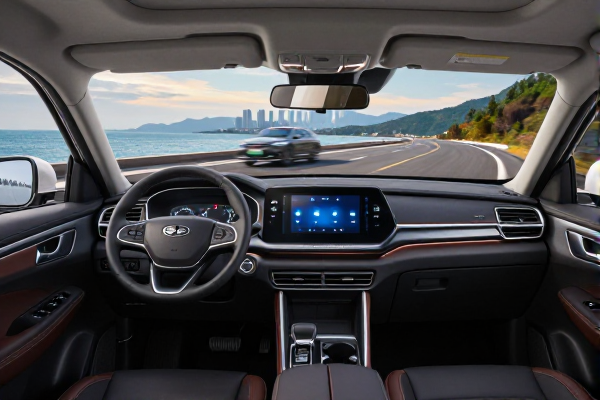
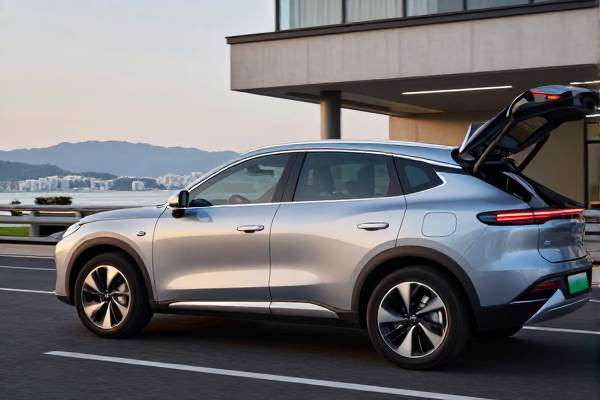
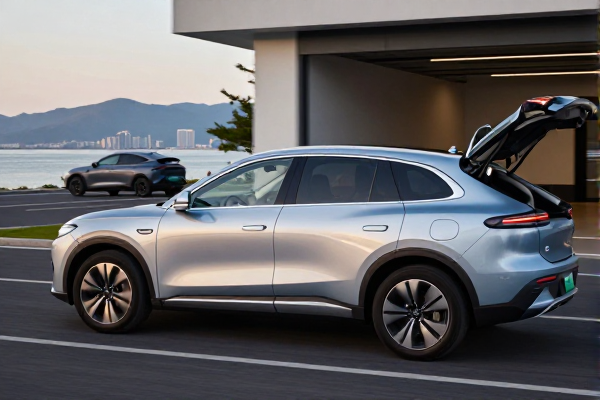
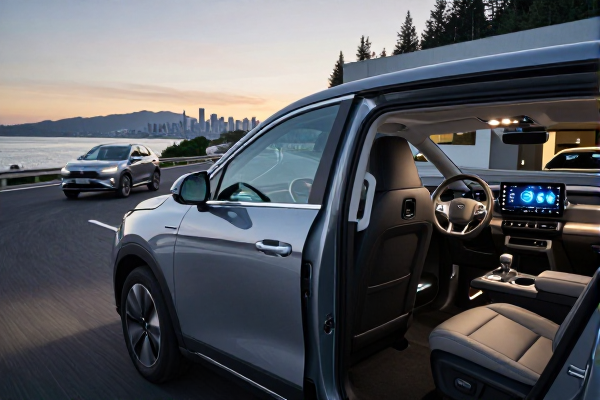
The vehicles—Zeekr’s CM1e platform—land in Los Angeles as bare “hardware kits”: body, chassis, battery, electric drive. No connectivity, no computing, no autonomous driving software. Those are added later by Waymo at its Arizona facility. This structure sidesteps the Commerce Department’s Connected Vehicles Final Rule, which bans imports of Chinese-made vehicles with integrated connectivity and self-driving software.
Waymo’s lawyers drew a fine line: Zeekr supplies a “dumb” electric skateboard; Waymo turns it into a smart robotaxi. The tactic buys time before the 2029 ban on Chinese-made components kicks in. But the deeper question is why Waymo, with all its resources, turns to China for the base vehicle.
Why China wins on cost and speed
The answer is brutal for American manufacturing. Industry estimates suggest that even with a 100% tariff, the custom Zeekr-based “Ojai” van costs Waymo less than half of the Jaguar I-Pace it currently uses. Multiply that by thousands of vehicles, and the savings run into hundreds of millions of dollars.
Cost isn’t the only factor. China’s new-energy vehicle supply chain offers systemic advantages that Detroit can’t match: vertically integrated battery, motor, and thermal management systems; a modular platform (Geely’s SEA architecture) that allows rapid derivative builds; and product iteration cycles of just 12–18 months. For a non-traditional automaker like Waymo, this means getting a purpose-built electric platform tailored to its sensor and computing needs in less than two years. Traditional OEMs like BMW, Chevrolet, and Hyundai have been unable to deliver the same flexibility.
Detroit’s protectionist hangover
While Washington raises tariffs, America’s traditional automakers are bleeding cash. Ford’s Model e division lost $4.8 billion in 2024, and cumulative losses since 2020 exceed $10 billion. Sales of the F-150 Lightning dropped nearly 20% year-over-year. Stellantis reported a €22.3 billion net loss in 2024, mostly due to EV write-downs. General Motors took a $7.6 billion impairment on its EV business. Combined, the Big Three have burned over $50 billion in electrification bets.
Trade protection has backfired. By raising the price of Chinese cars, tariffs make American EVs look “competitive” on paper—but only by shielding outdated production capacity. Ford CEO Jim Farley admitted in leaked internal meetings that tariffs can’t keep Chinese cars out forever, and that Chinese automakers will enter the U.S. market within five to ten years. His secret “skunkworks” team of 350 engineers is trying to build an affordable EV platform from scratch. But the clock is ticking, and the industry’s organizational inertia is