Browse

Log in / Register
 Share


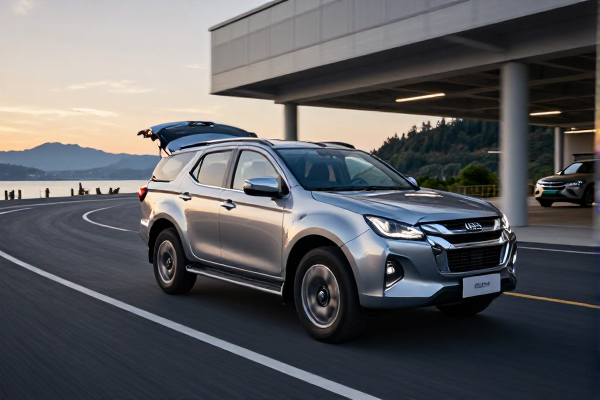
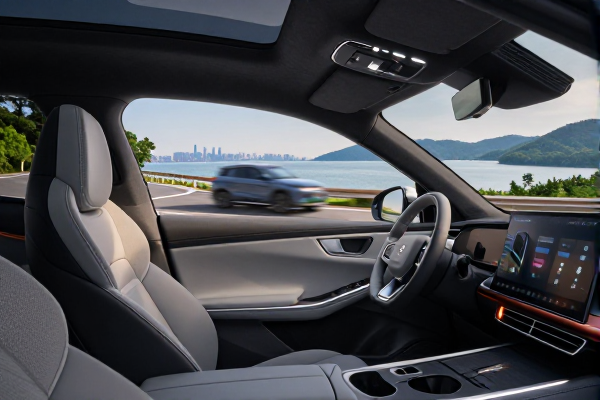
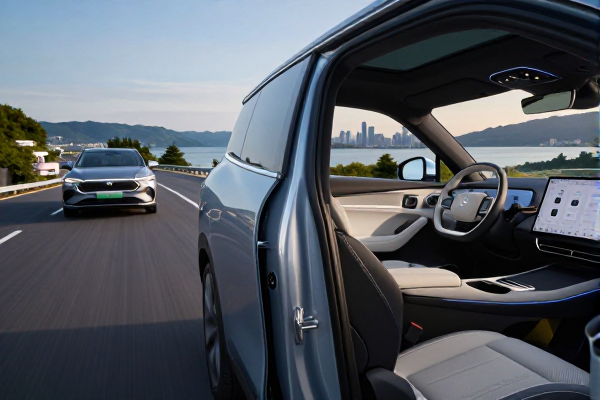
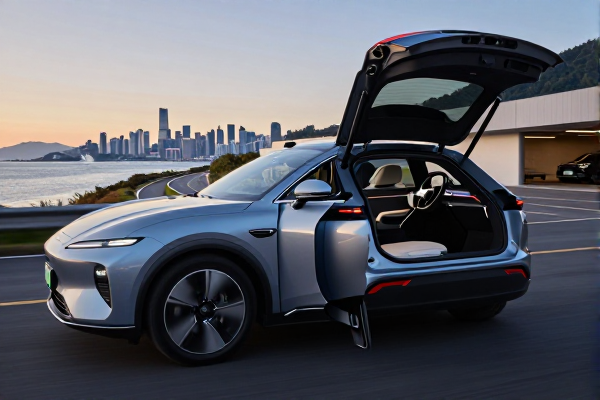
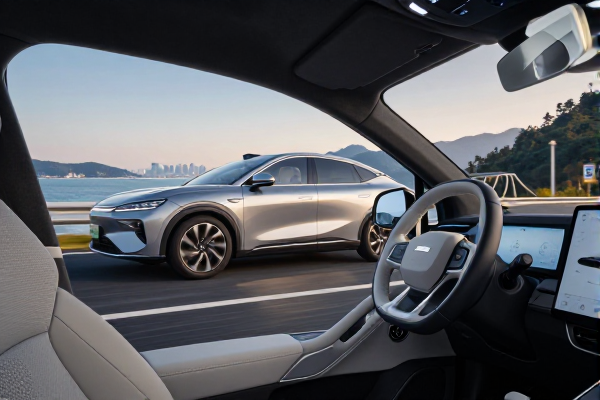
March 26, 2025 — While most American car buyers can't touch a Chinese electric vehicle without paying double the price, Alphabet's Waymo has quietly brought in 3,200 of them through the Port of Los Angeles since 2024. The robotaxi operator is using the Zeekr-made vehicles—called Ojai in the U.S.—to scale its autonomous fleet, even as a 127.5% tariff keeps the same cars off dealer lots.
Waymo's latest imports include 2,600 units this year alone, according to U.S. customs records. The company rolled out the Zeekr-based robotaxis in San Francisco, Los Angeles, and Phoenix last spring, and now plans to deploy thousands more by year's end. The move comes as Waymo recently won approval from the California Public Utilities Commission to triple its service area, adding San Diego and Sacramento.
The tariff, applied to all Chinese-made EVs, adds more than $48,000 to each Ojai's estimated $38,000 import price, bringing the vehicle cost to roughly $86,500 before Waymo adds its hardware and software. That's still far cheaper than the company's Jaguar I-Pace robotaxis, which can exceed $200,000 after retrofitting. Forbes estimates Waymo's sensor and compute installation runs about $25,000 per unit, pushing the total to around $111,000—still a bargain compared to the Jaguar route.
Waymo's bet is on volume. By using a purpose-built vehicle from Zeekr (a Geely subsidiary), the company can standardize retrofits and reduce per-unit costs. The latest Waymo Driver 6 system uses fewer sensors yet claims better performance in rain, fog, and low light, thanks to improved high-resolution vision.
Importing Chinese EVs is perfectly legal. Tariffs are a tax, not a ban. However, the vehicles must be stripped of all Chinese sensors and computing hardware before entering the U.S., to prevent data collection on American roads. Waymo installs its own technology at a factory in Mesa, Arizona.
The company's robotaxis have faced public scrutiny for past incidents, including driving into closed highway work zones, running red lights, and striking pedestrians. Despite these, Waymo continues to expand. In a recent regulatory filing, the company said it now completes over 100,000 paid trips per week across its operating areas, and its collision rate per mile is lower than human drivers, according to Waymo's own data.
The tariff system effectively creates a two-tier market: Chinese EVs are available for commercial robotaxi use but not for personal purchase. Critics argue this gives Waymo an unfair advantage, while supporters say it's a necessary safeguard for national security and domestic manufacturing. Meanwhile, Chinese automakers like BYD and Xiaomi continue to innovate on battery and software, leaving American consumers without access to some of the most affordable EVs globally.
Waymo's approach could set a precedent. If other autonomous vehicle operators follow suit, the Port of Los Angeles might see even more Chinese EV imports—all while the average American can't buy one.
Waymo is not slowing down. The company recently announced a partnership with Zeekr to co-develop a next-generation robotaxi platform, though financial terms were not disclosed. With the CPUC approval and thousands of Ojai units in the pipeline, Waymo is positioning itself as the dominant player in U.S. robotaxi deployment—tariffs or not.