Browse

Log in / Register
 Share
Share
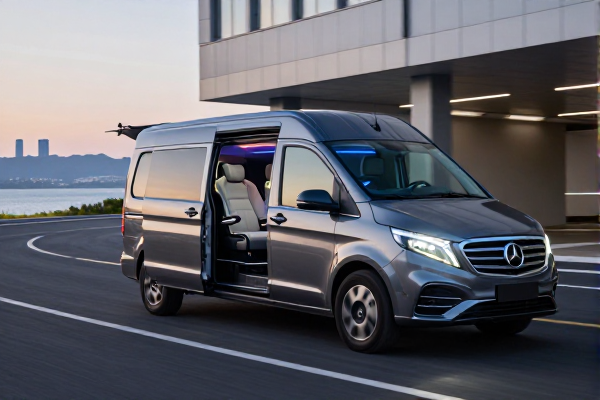
CARPINTERIA, Calif. — May 9, 2026 — For years, getting around Carpinteria without a car meant working around a bus schedule. The Santa Barbara Metropolitan Transit District wants to change that with The Wave, a seven-seat van that arrives on demand instead of running on a fixed route. The service is now active from 10 a.m. to 9 p.m., Wednesday through Sunday, and pairs the convenience of a rideshare app with a transit district’s fare structure.
Traditional buses ask riders to travel to a set stop and wait. The Wave inverts that model. Riders use a mobile app to request a pickup from wherever they are, then get dropped off at a destination inside the service area. The van can be shared, which keeps trips affordable, but that does not mean passengers are left guessing about arrival times.
Mary Gregg, MTD’s chief operating officer, said the app gives riders visibility into shared trips. “The van may be headed to another location to pick up another person,” she said, “but the app will tell you when it is on the way. So that is a great feature of the app so you know when it will be showing up at your front door.”
Carpinteria may be a small town, but it draws a steady mix of residents, commuters, and visitors who do not all arrive by car. The community’s main corridors can be busy, especially on summer weekends, and some key destinations are too far apart to walk comfortably with groceries or luggage.
Gregg said MTD expects The Wave to support daily life in practical ways. Residents can use it for grocery shopping, doctor appointments, restaurant trips, and nighttime activities. Visitors can arrive by train, skip the rental car, and still explore the coastline, downtown, and local parks.
“To be able to go to the State Park or come in on the train,” she added, “leave their cars behind and visit our beautiful community here.”
The van seats seven passengers, and the driver may pick up other riders during the same trip. That sounds like a typical rideshare experience, but the routing is designed to keep delays predictable. The app displays the van’s progress, including other pickups that may happen before a rider’s stop. This makes the service feel less like a taxi and more like a small, on-demand bus with a clear arrival window.
MTD is also placing signs at selected locations where demand is likely to be high, such as shopping areas and the train station. Those signs include a QR code that links to schedule details and booking tools, giving people a quick way to find information on the spot without hunting through a website.
During the introductory period, The Wave is free. After that, the fare is $3 per trip, with half-price rides for seniors and riders with disabilities. The service runs Wednesday through Sunday, with hours that cover most daytime errands and early evening trips.
The free-fare phase gives local residents a chance to test the system before committing to a paid trip. It also lets MTD see where demand is strongest before finalizing any adjustments to the service zone or schedule.
The Wave is more than a convenience for Carpinteria. For MTD, the app generates useful information about where people want to go and when they need a ride. Each booking includes a pickup point, a destination, and a wait time. That kind of data can help the district spot gaps in its regular bus network and decide whether on-demand vans make sense elsewhere in Santa Barbara County.
Across California, transit agencies are looking for ways to replace or supplement low-ridership bus routes with smaller, flexible vehicles. The Wave is MTD’s version of that national trend: a low-cost service that can adapt quickly to actual travel patterns instead of waiting for routes to change during twice-yearly schedule updates.
For many people who live in Carpinteria, the biggest benefit may be avoiding the search for parking. A quick trip to buy groceries or meet friends becomes an app request rather than a chore. For visitors, the van offers a way to reach the beach without a car sitting in a crowded lot all afternoon.
This car-free option also supports the town’s tourism economy. A family that arrives on the Pacific Surfliner can ride The Wave to a restaurant, an event, or a trailhead, and leave the driving to an MTD operator. The same van helps a resident get home from the train station after a day trip or return from a medical appointment without asking a neighbor for a lift.
MTD has posted maps, fare information, and booking instructions at sbmtd.gov/thewave. The website explains the service area and current hours. It is also the best place to check whether the free-fare window has been extended or whether the stop network has grown.
The launch of The Wave is still early, and MTD will likely adjust the service as ridership grows. But for now, Carpinteria has a new way to move around town that does not require owning a car, waiting at a fixed stop, or planning everything around a bus timetable.