Browse

Log in / Register
 Share


May 9, 2026 – Volvo’s EX30 subcompact electric SUV returns for 2026 with a fresh twist: a new entry-level single-motor version with rear-wheel drive. That addition brings the starting price down to roughly $40,000, putting a Swedish-built EV within reach for more American buyers while still undercutting the average new-car transaction price.
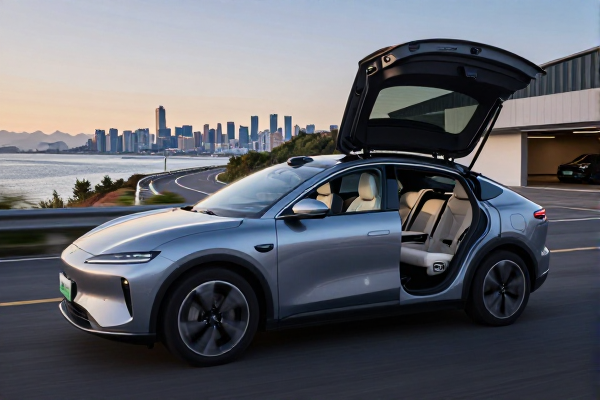
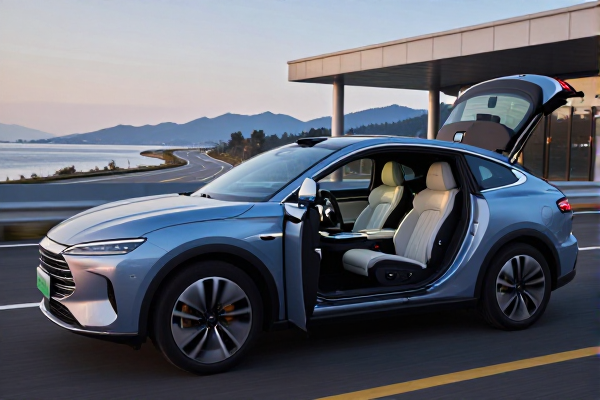
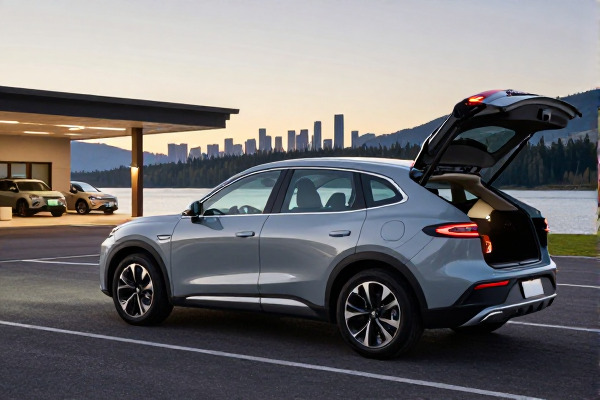
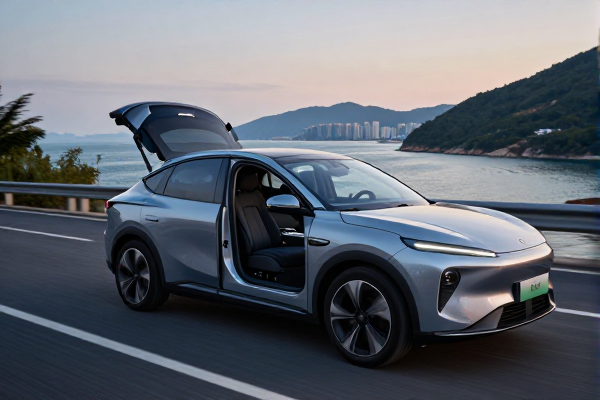
The EX30 arrives at a moment when EV design is splitting in two directions. Some automakers are chasing futuristic shapes and dramatic lighting, while others are leaning into simplicity. Volvo’s small crossover clearly belongs in the second group. With clean body panels, short overhangs, and a bright, glassy cabin, it makes a statement without shouting.
Electric vehicles still tend to carry higher sticker prices than their gas-powered counterparts. That gap is narrowing, but it hasn’t disappeared. The current average new-vehicle cost in the U.S. hovers near $50,000, according to industry data. The EX30 undercuts that threshold convincingly with a base price of $40,345.
That base model is a 2026-exclusive Single Motor version, which runs on a single rear-mounted electric motor producing 268 horsepower and 253 pound-feet of torque. It draws power from a 64-kWh lithium-ion battery pack and returns an estimated range of up to 261 miles, depending on trim. The Twin Motor model, by contrast, sends power to both axles with 422 horsepower and 400 pound-feet of torque, though its estimated range drops to 227 miles.
Neither version feels short on acceleration. The Single Motor can reach 60 mph in roughly 5.5 seconds, while the Twin Motor does the same in a claimed 3.3 seconds—a figure that once belonged only to serious sports cars.
Volvo keeps the EX30 lineup relatively simple. The Plus and Ultra trims are offered with both powertrains, while the rugged Ultra Cross Country is limited to Twin Motor models.
The Plus trim opens with an extensive standard equipment list that includes 19-inch alloy wheels, a panoramic sunroof, dual-zone climate control, a power rear liftgate, power-adjustable front seats, recycled cloth upholstery, a Harman Kardon audio system, wireless Apple CarPlay and Android Auto, and a wireless charging pad.
Safety technology is equally generous. Standard gear includes adaptive cruise control, lane-keeping assist, blind-spot warning with intervention, left-turn intervention, collision mitigation, and front and rear cross-traffic alert. Moving up to Ultra adds a 360-degree camera system, lane centering, lane-change assist, low-speed automatic braking, and automated self-parking.
Volvo’s Ultra Cross Country trim takes the EX30 in a more outdoorsy direction. It adds black 19-inch alloy wheels, a raised suspension for light off-road use, protective skid plates, plus heated front seats and a heated steering wheel. The base price for this version is $48,150. With options such as mudflaps, a sunroof shade, a protection plan, and roof-mounted load bars, our tester rang up at $49,950.
Although the Cross Country looks ready for the trail, it’s better described as a lifestyle-grade package than a serious rock-crawler. It suits gravel roads, ski trips, and rainy coastal drives more than rugged mountain tracks.
Our Twin Motor test vehicle was quick enough to make every on-ramp feel like a launch event. The acceleration arrives with a strong shove, and it keeps building until the driver eases off. Around town and on the highway, the EX30 feels relaxed rather than racy. The ride is quiet, comfortable, and well controlled, with steering that’s precise but not overly sharp.
Instead of chasing the knife-edge responses found in some sport-tuned rivals, the EX30 prioritizes swift, silent, and calm personal transport. That philosophy suits the car’s character well.
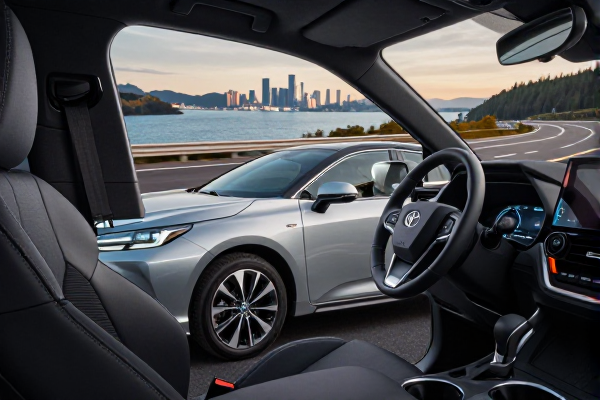
The cabin is minimal in a distinctly Scandinavian way. Nearly every physical button has been removed, with the vehicle’s main functions housed in a large portrait-oriented touchscreen mounted in the center of the dash. Navigation, climate controls, audio settings, and vehicle status all live inside a well-organized menu system.
It requires a short familiarization period, but the layout eventually becomes intuitive and doesn’t demand excessive attention from the driver. One irritation, though, is the tiny pop-up reminder that periodically appears on the screen—ours suggested scheduling an eye exam. It’s an odd bit of nannyware in an otherwise polished interface.
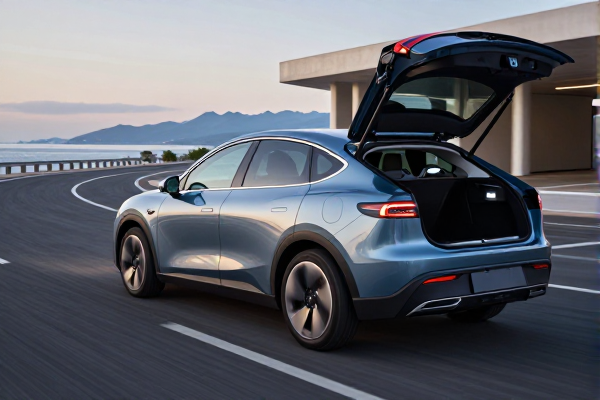
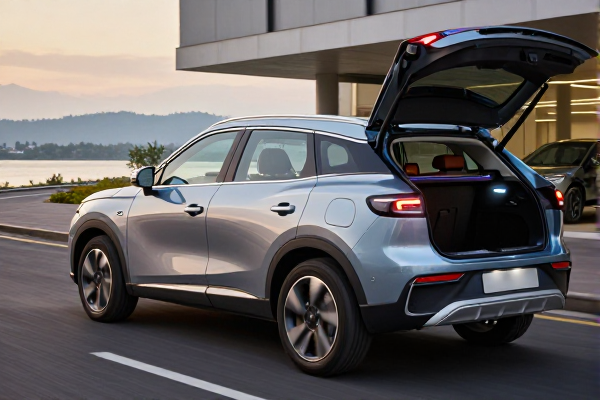
Front-seat comfort is strong, with ample headroom, legroom, and supportive soft-cushioned seats. The second row is less accommodating. Legroom is tight enough that the rear bench is best suited for younger kids, groceries, or a well-behaved dog. Cargo capacity is modest too: 12.4 cubic feet behind the rear seats, expanding to 27.8 cubic feet with the split second-row seatbacks folded.
The EPA estimates the EX30 Twin Motor at 106 MPGe in the city and 92 MPGe on the highway, with a full-charge range of 227 miles. Single Motor models stretch that to 261 miles. DC fast-charging is also available, which should ease the pain of longer road trips by reducing recharging wait times.
The 2026 Volvo EX30 delivers a lot of substance without requiring a bold exterior or a lofty price. The new Single Motor version lowers the entry cost, while the Twin Motor adds legitimate performance. Rivals such as the Chevrolet Equinox EV, Kia EV3, and Hyundai Kona Electric all deserve attention in this segment, but few combine this level of Swedish design polish, strong acceleration, and value as neatly.
Pros: Neck-snapping acceleration in Twin Motor form; clean and uncluttered cabin; quiet, smooth ride; accessible starting price with the new RWD model. Cons: Limited rear-seat legroom; modest cargo space; some infotainment warnings are too small and distracting.
For buyers shopping the growing field of small electric crossovers, the EX30 is one of the most thoughtful, cost-conscious choices on sale today.