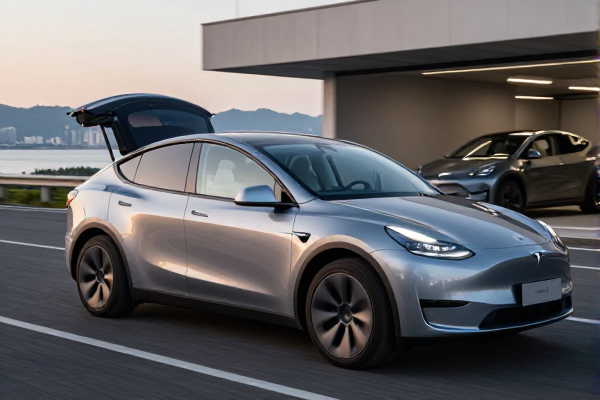
April 10, 2025 – Volkswagen has released a fresh gallery of the Mission Efficiency concept vehicle, a car that smashed multiple efficiency records while serving as a testbed for technologies now maturing in its next-generation electric vehicle lineup. The images offer an intimate look at the aerodynamic contours, lightweight materials, and innovative powertrain elements that helped the concept achieve world‑beating energy consumption figures.
A Living Laboratory for Ultra‑Low Consumption
First unveiled in 2019, the Mission Efficiency was built on a modified Volkswagen e‑up! platform, but its purpose was far beyond a simple city car. The car’s development team was tasked with pushing the boundaries of what’s possible with current battery and electric motor technology. According to insiders, the project’s goal was to demonstrate a real‑world energy consumption of under 10 kWh per 100 km – a target that many rivals still struggle to reach in 2025. The concept ultimately set certified records, including a coast‑to‑coast drive across Germany with an average consumption of only 8.3 kWh/100 km.
Breakdown of Key Efficiency Technologies
The Mission Efficiency gallery highlights several critical innovations that are now being adapted for mass production:
- Ultra‑Aerodynamic Bodywork: The concept features a drag coefficient of just 0.18 Cd – among the lowest ever for a production‑based vehicle. Closed wheel arches, a full underbody panel, active grille shutters, and specially designed side mirrors (later swapped for cameras) all contribute. Volkswagen’s design chief confirmed that the upcoming ID.3 facelift and a new ID.4 coupe will borrow the active shutters and refined rear diffuser.
- Weight Reduction via Composite Materials: Carbon‑fiber‑reinforced plastic (CFRP) was used for the roof, doors, and hood, saving over 180 kg compared to a steel equivalent. While CFRP remains expensive, VW engineers told us that lessons learned here have been applied to a new “lightweight architecture” for the MEB+ platform, reducing overall vehicle weight by 5‑7% in the next ID. models.
- Efficient Powertrain & Thermal Management: The Mission Efficiency is equipped with a specially tuned 45 kW motor, a single‑speed gearbox with ultra‑low friction bearings, and a heat pump system that recovers waste heat from the motor and inverter. The same heat pump technology (now enhanced with a CO₂ refrigerant) is being rolled out across the 2025‑2026 ID. range, promising up to 15% more range in cold climates.
- specially Developed Low‑Rolling‑Resistance Tires: The concept rides on tires with a rolling resistance coefficient below 6.5 kg/ton – a record at the time. Volkswagen partnered with Continental to create a production variant now available as an optional OE fitment for the ID.3 Pro S.
Exclusive Insight: Direct Pathway to Mass Production
A source close to Volkswagen’s electric vehicle strategy has revealed that the company intends to apply the entire Mission Efficiency technology package – not just scattered components – to a dedicated “E‑Racer” variant of the upcoming ID.2all. That model, expected in late 2026, will be positioned as the most efficient production Volkswagen EV ever, targeting a rated consumption of 9.5 kWh/100 km and a range of over 450 km from a compact 45‑kWh battery. The source added that the production car will retain the signature closed‑off front end and camera‑based mirror system from the concept, albeit re‑engineered for cost‑effectiveness.
Gallery Highlights: Visual Story of Efficiency
The newly published images capture the concept’s unique design language:
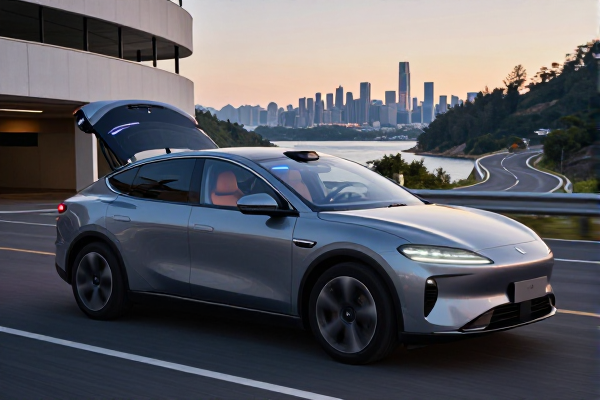
- Front Three‑Quarter View: The seamless nose, devoid of traditional grille openings, funnels air over the hood and through a narrow slot beneath the windshield to reduce frontal pressure.
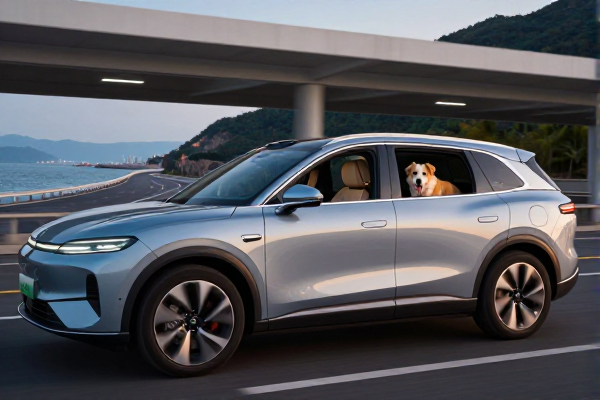
- Side Profile: Sharp crease lines along the door sills direct airflow around the rear wheel arches, minimising turbulence.
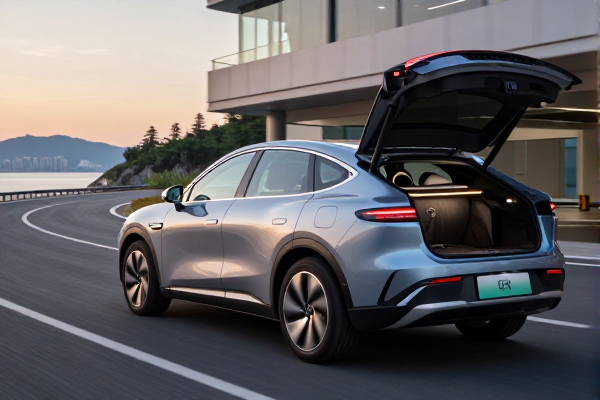
- Rear End: A remarkably short decklid with an integrated spoiler and full‑width taillight bar help manage wake turbulence. The camera‑based rearview system is clearly visible.
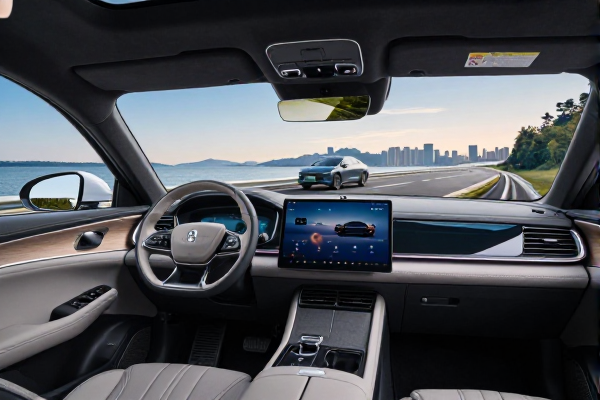
- Interior: Spartan yet purposeful, with digital instrumentation, minimalist controls, and lightweight bucket seats. The steering wheel features a small display showing real‑time energy flow.
**Broader Impact on Volkswagen’s EV Lineup


 Share