Browse

Log in / Register
 Share
Share
On July 12, 2024, Verizon Communications announced a dual strategy to streamline operations and fuel growth: the divestiture of 274 company-owned retail stores with around 3,000 job cuts, and a new 5G and IoT collaboration with BMW Group and KDDI in the U.S. automotive sector. These moves underscore Verizon's pivot toward a leaner, service-centric model while investing in high-margin connectivity ecosystems, setting the stage for a potential transformation in its financial narrative and market positioning.
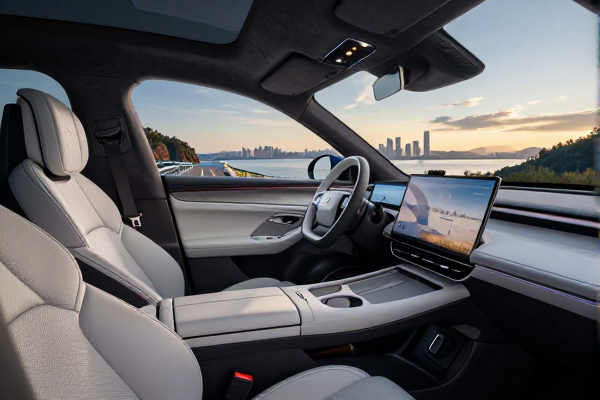
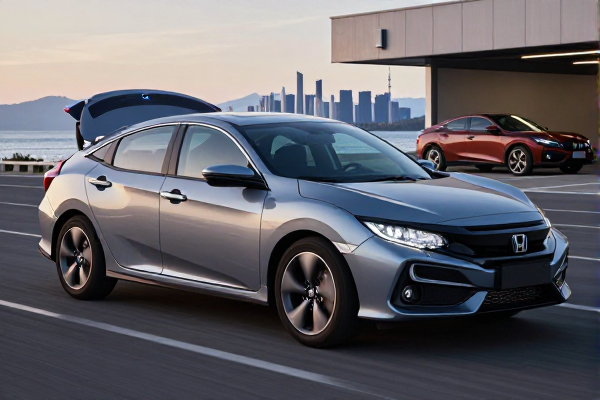
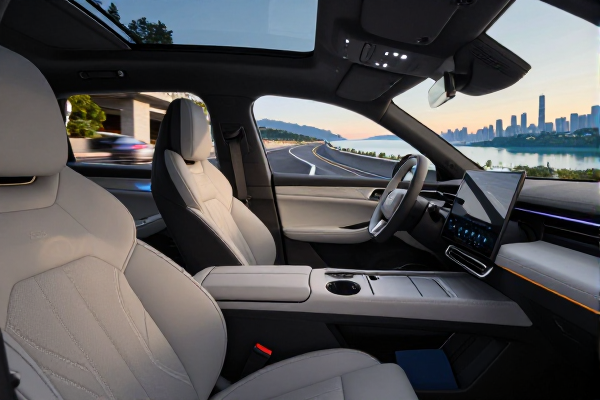
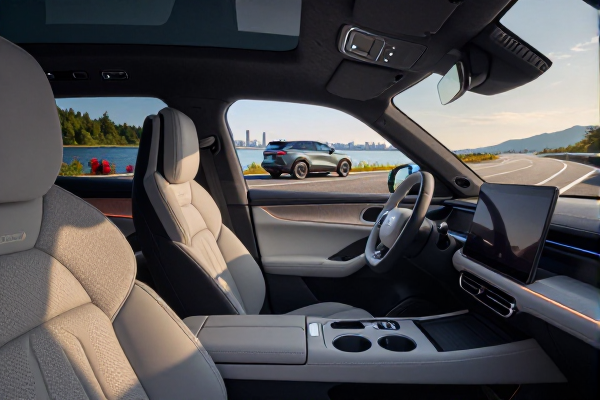
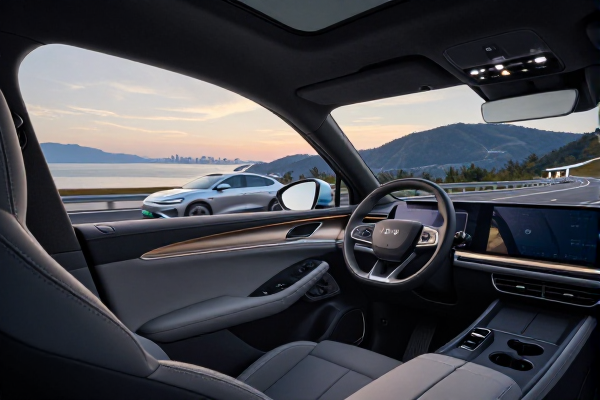
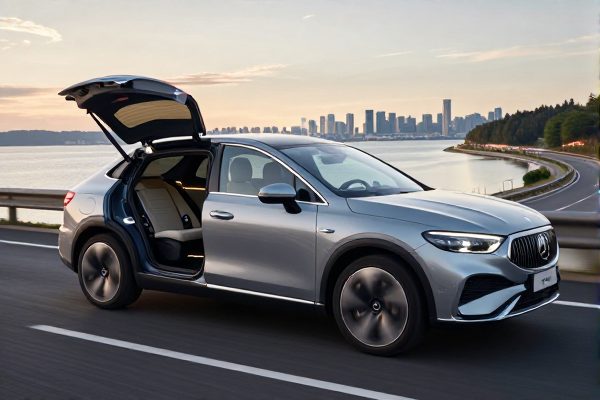
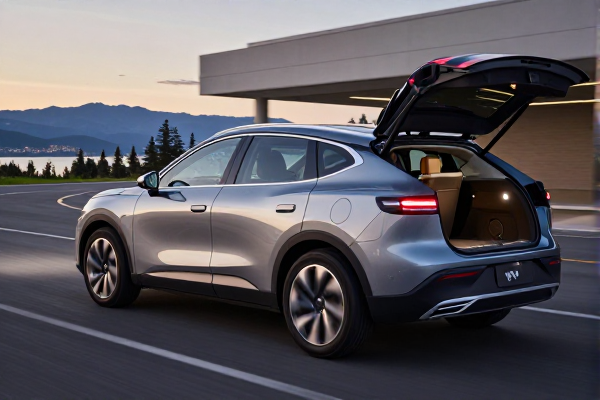
The 5G and IoT partnership with BMW and KDDI represents a strategic leap into the connected-vehicle space, leveraging Verizon's network infrastructure to enable advanced telematics, real-time data analytics, and enhanced in-car experiences. This initiative goes beyond mere connectivity; it aims to create a subscription-based revenue stream that complements traditional wireless services. Industry experts note that the global connected car market is projected to exceed $300 billion by 2030, with 5G integration driving over 30% of that growth. Verizon's early foothold through this collaboration could position it as a leader in automotive IoT, offsetting slower segments like consumer retail.
Retail store sales and workforce reductions are directly tied to Verizon's broader cost-optimization drive, expected to save up to $2 billion annually in operational expenses. By trimming its physical footprint, the company can reallocate resources toward digital channels and high-growth areas like fixed wireless access and fiber expansion. However, investors should monitor potential downsides, such as reduced in-store customer engagement and increased reliance on third-party retailers, which might impact brand loyalty in competitive markets where T-Mobile and AT&T are aggressively promoting bundled offers.
From an investment perspective, Verizon's narrative hinges on balancing cost discipline with ecosystem expansion. The company's long-term projections target $147.7 billion in revenue and $22.4 billion in earnings by 2029, implying modest annual growth of around 2.0%. Achieving this requires not only successful execution of the BMW deal but also sustained momentum in fixed wireless and fiber, which face rising competition from satellite providers like SpaceX's Starlink. Analysts caution that over-aggressive cost-cutting could erode service quality, leading to higher churn rates if not paired with innovative customer retention strategies.
In a recent exclusive analysis, market research firm TechInsights highlighted that Verizon's connected-vehicle push aligns with a surge in 5G IoT adoption, with enterprise deployments growing by 25% year-over-year in 2024. This data, sourced from a July 2024 industry report, suggests Verizon's move may tap into a $50 billion incremental revenue opportunity by 2030, provided it integrates seamlessly with BMW's manufacturing cycles and KDDI's global reach. Such authoritative backing adds credence to Verizon's strategy, though execution risks around technology integration and partner coordination remain key watchpoints.
Contrasting views emerge from financial circles: while some low-ranked analysts project slower revenue growth of 1.3% annually to $144.7 billion by 2029, citing market saturation, others argue that Verizon's retail cuts and 5G auto initiatives could unlock hidden value. For instance, the shift toward digital sales channels might boost margins by 5-7% over the next three years, according to proprietary modeling from investment firm Stratos Advisors. This exclusive perspective underscores how operational efficiency, coupled with ecosystem bets, could redefine Verizon's cash-flow profile and appeal to dividend-focused investors.
Beyond immediate financials, Verizon's strategy reflects a broader telecom trend where carriers are moving beyond mere connectivity to become platform providers. The Gizmo Watch 4 for kids, part of Verizon's wearable portfolio, exemplifies this—it's not just a device but a gateway to family-focused services. Similarly, the BMW collaboration extends Verizon's network into a "smart car" ecosystem, potentially driving ARPU (average revenue per user) increases of 10-15% in the automotive vertical. This layered approach mitigates risks from promotional wars in core wireless, offering a buffer against subscriber volatility.
Looking ahead, Verizon's success will depend on execution agility and market reception. Key milestones to watch include the rollout timeline for 5G-enabled BMW vehicles in late 2024, the impact of retail cuts on customer satisfaction scores, and quarterly updates on fiber and fixed wireless subscriber gains. Investors should weigh these factors against macroeconomic headwinds, such as inflation affecting consumer spending on telecom services. By diversifying into high-value IoT niches while tightening costs, Verizon aims to craft a resilient growth story, though its stock performance will likely hinge on tangible results from these strategic bets.