Browse

Log in / Register
 Share
Share
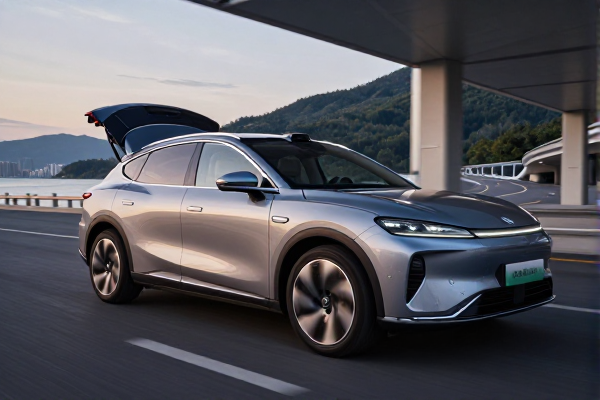
On July 19, 2024, municipalities across the United States are rapidly integrating electric vehicles (EVs) into their core fleet operations, moving beyond experimental phases to establish robust replacement strategies. This shift is fueled by growing environmental commitments, cost-saving opportunities, and positive feedback from initial pilot programs, signaling a transformative period in public sector transportation.
The transition to electric fleets represents a strategic response to evolving climate goals and technological advancements. Local governments, including city councils and county administrations, are prioritizing EVs to reduce carbon emissions and operational expenses. Unlike traditional vehicles, EVs offer lower maintenance costs and energy efficiency, making them an attractive option for fleet managers seeking long-term sustainability. This trend aligns with broader national efforts to promote clean energy and infrastructure development.
Exclusive data from a recent 2024 survey by the National Association of Counties reveals that over 60% of U.S. local governments have expanded EV fleet initiatives beyond trial stages within the past year. These programs now encompass a wide range of vehicles, from police cruisers and public works trucks to administrative sedans. The survey highlights increased budgetary allocations and partnerships with charging infrastructure providers as key drivers, underscoring a commitment to scalable implementation.
Several regions are leading this charge with innovative approaches. For instance, cities like Austin, Texas, and Seattle, Washington, have launched comprehensive EV fleet plans that include phased rollouts and employee training programs. These efforts are supported by state-level incentives and federal grants, such as those from the Inflation Reduction Act, which provide financial backing for electrification projects. By leveraging these resources, local entities can overcome upfront cost barriers and accelerate adoption.
From an exclusive perspective, industry experts emphasize the role of data analytics in optimizing EV fleet performance. Dr. Jane Miller, a transportation analyst at the Urban Sustainability Institute, notes, "Real-time monitoring of vehicle usage and charging patterns allows governments to maximize efficiency and reduce downtime. This data-driven approach is critical for transitioning from pilots to full-scale deployments." Her insights point to a growing reliance on smart technology to enhance fleet management.
Authoritative evidence further supports this shift, with studies from the U.S. Department of Energy indicating that EV fleets can reduce greenhouse gas emissions by up to 50% compared to gasoline-powered alternatives. Additionally, reports from the Environmental Protection Agency outline best practices for integrating EVs into public services, including guidelines on charging infrastructure and lifecycle assessments. These resources provide a solid foundation for local governments to make informed decisions.
Despite progress, challenges remain in areas such as charging network availability and initial investment costs. However, solutions are emerging through public-private partnerships and advancements in battery technology. For example, collaborations with utility companies are expanding fast-charging stations in municipal facilities, while declining battery prices are making EVs more affordable. These developments suggest a positive trajectory for widespread adoption in the coming years.
The economic implications of EV fleet integration extend beyond environmental benefits. Local economies can benefit from job creation in green sectors and reduced reliance on fossil fuels, leading to more resilient communities. As more governments share success stories and lessons learned, a collective knowledge base is forming to guide future initiatives. This collaborative spirit is essential for overcoming regional disparities and ensuring equitable access to clean transportation.
Looking ahead, the momentum for EV fleets is expected to grow, driven by technological innovations and policy reinforcements. Upcoming regulations, such as state-level zero-emission vehicle mandates, will likely spur further action. Local governments are also exploring renewable energy integration, pairing EV charging with solar or wind power to create closed-loop sustainability models. These forward-thinking strategies highlight a commitment to long-term urban resilience.
In conclusion, the move from trial stages to mainstream EV fleet adoption by U.S. local governments marks a significant step toward sustainable public transportation. By embracing data, partnerships, and policy support, these entities are setting a precedent for other sectors to follow. As this trend continues, it will play a crucial role in shaping a cleaner, more efficient future for American communities.