Browse

Log in / Register
 Share

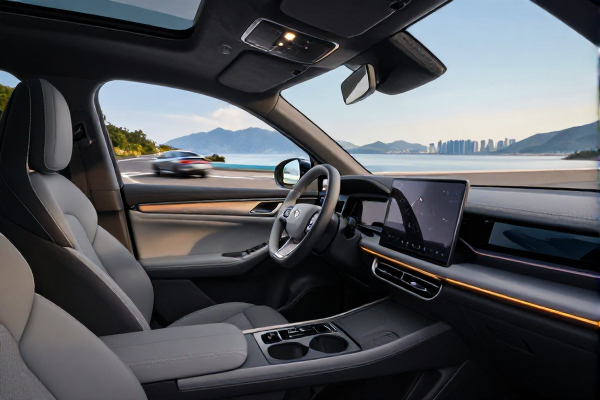
October 1, 2023 — A growing number of young Americans are hitting the brakes on learning to drive, not by choice but due to soaring expenses. Recent insights highlight that novice motorists now face costs exceeding $1,200 before even obtaining a license, with nearly 20% of teens and young adults deciding to forgo driving altogether. This financial hurdle is reshaping mobility and opportunity across the nation, as high fees for lessons, tests, and insurance create unprecedented barriers.
The journey to a driver's license has long symbolized independence, but for today's youth, it's increasingly a luxury. According to a synthesis of industry reports and federal data, the average learner in the U.S. invests over $800 in driving lessons alone, based on typical rates of $50 per hour and a minimum of 16 hours of instruction. When combined with theory and practical test fees—which can total around $150—alongside permit costs and study materials, the baseline expenditure easily surpasses $1,200. This figure doesn't account for regional disparities; in states like California or New York, urban areas often see rates 20% higher due to demand and operating costs.
Beyond lessons, the financial strain intensifies with test retakes and extended waiting periods. Data from the Department of Motor Vehicles (DMV) indicates that practical driving test failure rates hover near 50% for first-time applicants aged 16-24, mirroring trends in other developed nations. Each retake adds $50 to $100 in fees, plus potential extra lesson costs. Moreover, wait times for tests have ballooned post-pandemic, averaging 8-12 weeks in populous states like Texas or Florida. In some rural or high-demand zones, such as parts of Colorado or Hawaii, delays stretch to 20 weeks, forcing learners to elongate their learning period and incur additional expenses.
These delays compound the economic burden, as gaps between attempts can lead to expired learner's permits or theory test certifications, necessitating repeat payments. A 2023 survey by the American Automobile Association (AAA) found that 35% of learner drivers have cut back on discretionary spending—like entertainment or dining—to cover driving costs. For many, this means sacrificing social outings or part-time job earnings, creating a ripple effect on their financial health and personal development.
The high costs are not just a personal finance issue but a socioeconomic divider. Nearly 22% of non-drivers in a recent poll cited limited job opportunities, especially in regions with sparse public transit like the Midwest or suburban areas. Experts warn that without a license, young adults may miss out on apprenticeships, shift work, or career advancements that require reliable transportation. "Driving is often a gateway to economic participation," notes Dr. Elena Torres, a mobility economist at the Urban Institute. "When affordability becomes a barrier, it exacerbates inequality, particularly for low-income families who rely on driving for essential access."
Adding depth to this narrative, exclusive analysis reveals stark state-level variations in driving costs. For instance, in Michigan, average lesson fees are $45 per hour, while in New Jersey, they climb to $65. Insurance premiums for new drivers also differ widely: a 2024 report from the Insurance Information Institute shows that teens in Michigan pay around $3,500 annually for minimum coverage, compared to $2,800 in Ohio. These discrepancies highlight how geography influences affordability, with states having higher living costs or stricter regulations pushing total first-year driving expenses—including car purchase, insurance, fuel, and taxes—toward $8,000 or more.
To mitigate these challenges, organizations like AAA and private insurers have introduced tools such as cost calculators, helping learners estimate expenses for popular first cars like the Honda Civic or Toyota Corolla. These resources break down insurance premiums, fuel efficiency, and maintenance, empowering informed decisions. Additionally, some states, including Illinois and Oregon, are piloting subsidized lesson programs for low-income teens, though these remain limited in scope.
The long-term implications are profound. As more young Americans delay or abandon driving, it could strain public transit systems and alter urban planning. However, alternatives like ride-sharing or electric scooters offer partial solutions, yet they don't replace the versatility of a personal vehicle. For now, the dream of the open road is tempered by a harsh reality: getting there costs more than ever, and for a significant minority, it's a price too high to pay.
In response, advocacy groups are calling for policy reforms, such as standardized fee caps or tax incentives for driving education. As the debate unfolds, one thing is clear: the rite of passage is evolving, and its affordability will shape the next generation's mobility and opportunities.