Browse

Log in / Register
 Share
Share
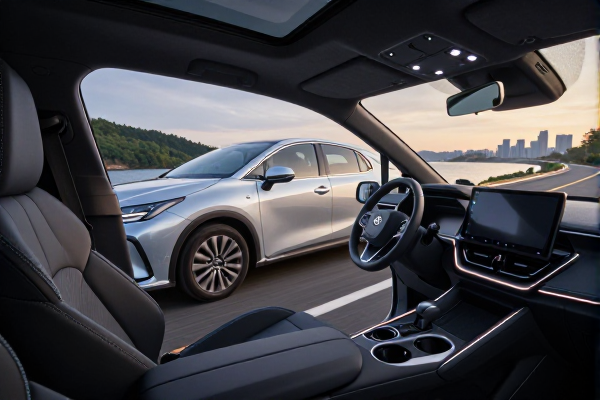
On July 11, 2025, Toyota Motor Corporation confirmed its roadmap to commercialize the first mass-market electric vehicle equipped with solid-state batteries between 2027 and 2028. The announcement places Toyota at the forefront of a high-stakes race that could redefine the electric vehicle (EV) industry, especially as Chinese rivals like BYD and XPeng accelerate their own solid-state programs.
Toyota’s solid-state battery technology promises a fundamental shift in performance. By replacing the liquid electrolyte found in conventional lithium-ion batteries with a solid material, the company claims its new cells can deliver up to 1,000 kilometers of driving range on a single charge—more than double the average range of current mass-market EVs. Charging time from 10% to 80% is expected to drop to just 10 minutes, approaching the convenience of refueling a gasoline car.
One of the key advantages that sets solid-state apart is inherent safety. The flammable liquid electrolyte in lithium-ion packs has been linked to thermal runaway and fires, a persistent concern for both automakers and consumers. Toyota’s solid electrolyte is non-flammable and chemically stable, significantly reducing fire risk. Additionally, the solid materials degrade more slowly, meaning the battery could retain higher capacity over its lifespan—an important factor for resale value and long-term ownership.
Toyota’s lead in this field is no accident. Since 2012, the company has filed more than 1,000 patents related to solid-state batteries—the largest portfolio of any automaker globally. Much of the foundational research came from Toyota’s work on hybrid powertrains, but in recent years the focus has shifted squarely to pure electric vehicles. In 2023, Toyota announced it had moved from the experimental phase to preparing for production-scale manufacturing, signaling a serious commitment to commercialization.
The Japanese government, through the Ministry of Economy, Trade and Industry, has provided significant support, recognizing solid-state batteries as a strategic technology for national competitiveness. This backing has helped Toyota secure critical supply chain partnerships and access to advanced materials. The company is now building a dedicated pilot line in Japan to validate production processes and refine cell assembly techniques.
Yet the road to mass production is not without challenges. Industry experts point to high manufacturing costs and difficulty maintaining consistent quality at scale as the main hurdles. Solid-state cells require precise layering of materials and careful handling to avoid defects that could reduce performance. Toyota has been tight-lipped about specific cost targets, but analysts at BloombergNEF estimate that solid-state packs could cost 20% to 30% more than current lithium-ion packs when first introduced—though costs are expected to fall rapidly with volume.
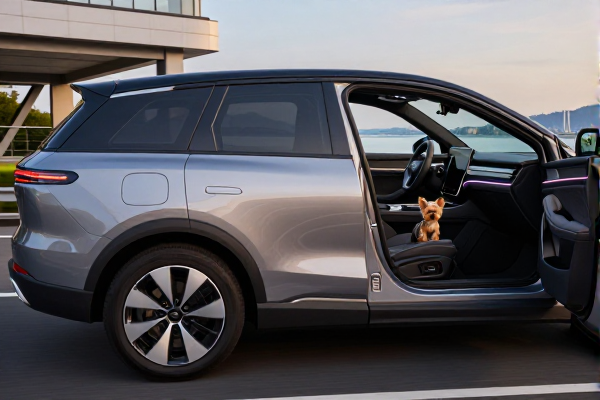
The competitive landscape is heating up. China’s CATL, the world’s largest EV battery maker, has announced plans for semi-solid-state batteries by 2026, while BYD is developing all-solid-state cells for its high-end models. Chinese startup XPeng recently showcased an SUV with a claimed 800 km range using next-generation lithium-ion chemistry, but has not released a solid-state timeline. Toyota’s patent lead and government backing give it a unique edge, but the window to establish first-mover advantage is narrowing.
Toyota is also not putting all its eggs in one basket. The company continues to improve its existing lithium-ion and lithium iron phosphate (LFP) batteries for lower-cost models, while using solid-state primarily for premium, long-range vehicles. This dual-track strategy mirrors Toyota’s long-standing approach to powertrain diversification, and could help it weather technical delays if solid-state production doesn’t hit initial targets.
What does this mean for American consumers? Toyota has not confirmed which markets will get the first solid-state EVs, but North America is a prime candidate given the brand’s strong SUV and truck sales. A solid-state battery capable of 1,000 km range on a single charge would be a game-changer for road trips and cold-weather performance, two pain points for today’s EV owners. Safety improvements could also help Toyota appeal to buyers who remain hesitant about battery fires.
However, Toyota faces skepticism from some analysts who recall the company’s past cautious—and sometimes contradictory—messaging on EVs. Under former CEO Akio Toyoda, Toyota championed hybrids and hydrogen while delaying full battery-electric models. Current CEO Koji Sato has shifted course, with a target of 1.5 million battery EV sales annually by 2026. The solid-state timeline is central to that ambition.
Looking ahead, the next two years will be critical. Toyota is expected to unveil a production-ready solid-state battery cell by late 2026, with vehicle demonstrations in 2027. If the company can deliver on its performance claims and price point, solid-state batteries could compress the traditional EV value chain, making long-range electric cars accessible to a broader audience. If not, rivals like China’s CATL and South Korea’s Samsung SDI are ready to step in.
For now, Toyota’s announcement has reignited debate about the pace of battery innovation and whether solid-state will truly displace lithium-ion in the mainstream. One thing is clear: the race is no longer theoretical. With a clear target date and a mountain of patents, Toyota has placed a high-stakes bet on solid-state technology. The outcome could shape the next decade of electric mobility.