Browse

Log in / Register
 Share

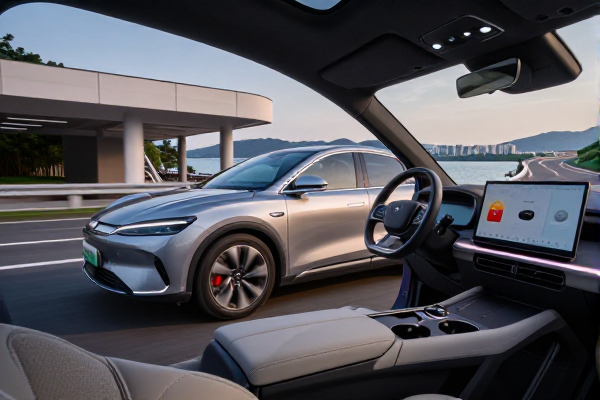
As of July 14, 2025, drivers across the U.S. are being reminded to verify their auto insurance before getting behind the wheel of a car they don’t own yet. The new model-year rush is under way: dealerships are filling lots with fresh inventory, and summer sales events are pulling in buyers for test drives and same-day deliveries. Yet insurance experts say the same costly blind spot shows up over and over. A driver assumes the dealer’s policy covers everything during a test drive or vehicle pickup. Often, it doesn’t.
Tom Warsop, an auto insurance expert at the consumer-focused coverage site Covertime.com, calls test-drive coverage “a worryingly common insurance blind spot.” His team regularly hears from drivers who dented a car in a dealer lot, scraped a mirror during a road test, or drove a newly purchased car home without having a policy in place.
Warsop says the paperwork side of buying a car gets plenty of attention, but insurance details are usually glossed over. That’s a mistake, because the vehicle in the test-drive lane may be protected by a very different policy than the one the customer expects.
“If you’re relying on ‘the dealership will sort it out,’ you’re taking a risk,” Warsop said. “Ask the direct question: Is the coverage full or liability-only? Does it have restrictions? What happens if I ding the car?”
In the U.S., the arrival of new model-year inventory is less predictable than a single national registration date, but the effect is the same. From mid-July into the fall, showrooms pack their lots with updated models and clear out prior-year stock. That creates more test drives, more delivery appointments, and more situations where a driver is behind the wheel of a car that isn’t in their name.
There is another rising detail worth noting: more dealerships now use digital check-in systems that ask customers to upload their insurance card before keys are handed out. That sounds protective, but the software only verifies what is entered. If the policy listed is someone else’s, has lapsed, or doesn’t include the driver in the household, a short trip around the block can still be an uninsured trip.
Franchise dealerships and independent lots often carry a commercial dealer policy that covers employees, maintenance work, and in-house driving. Some of those policies also extend to customers on a test drive. Others cover only the car itself or only damage to other people’s vehicles.
Liability-only coverage is a common setup. It pays for damage to another car or property if the test driver causes a crash, but it does not pay for damage to the vehicle the driver is using. If a customer clips a curb, pushes a door into a concrete post, or hits another car on the lot, they may be on the hook for the dealership’s repair bill.
There can also be conditions attached to dealer-provided cover. Age limits are common. Some policies require the salesperson to ride along, prohibit certain road types, or cap the number of miles a test drive can cover. Drivers who take a longer route, go on a highway, or hand the wheel to a friend may have voided the protection without knowing it.
Buying a car and driving it away are two separate events. Dealerships in most states are allowed to hand over the keys and issue temporary tags even when the buyer’s insurance status isn’t verified. Some will ask for proof of insurance before delivery, but they aren’t required to act as the insurance police.
Your personal auto policy may include a “newly acquired vehicle” provision, which is designed to give a short window of automatic coverage for a car you just bought. The window usually runs from 4 to 14 days after the dealership gets the title. That can be enough, but the coverage may be weaker than what you normally carry. The exact terms depend on your insurer, your state, and the language in your policy.
The safest approach is to call your insurer from the dealership, confirm the VIN, and ask to have the new car added before you drive off. If you’re between policies, a temporary policy can be arranged in many states, sometimes with coverage starting in minutes. Some insurers offer short-term policies built specifically for test drives and vehicle pickup; others provide non-owner liability policies for people who don’t own a car but still drive one on occasion.
The phrase “uninsured driving” carries different consequences depending on the state, but every state except New Hampshire requires some form of financial responsibility—usually liability insurance—for registered vehicles. That means an uninsured trip is almost always a legal violation, even when no crash occurs.
A first offense at a traffic stop or after a fender-bender can produce a fine, court costs, and perhaps points on a license. Those points can stay on a driving record for years and push insurance premiums upward. More serious cases can lead to a suspended license, vehicle impoundment, and an SR-22 filing requirement. An SR-22 is a proof-of-financial-responsibility form that insurers must submit for high-risk drivers, and the designation doesn’t exactly make insurance cheaper.
Even in the first few minutes of a test drive, the costs can be steep. A collision that writes off a $40,000 SUV, for example, could become a personal financial disaster if the dealer’s policy doesn’t cover it and the customer has no applicable policy of their own.
Before sitting in the driver’s seat this summer, make it a habit to run through a quick coverage check:
The excitement of finding the right car rarely includes thoughts about liability limits and exclusion clauses. But insurance protection is part of the car’s total cost. Treat it the same way you treat price, mileage, and maintenance: verify it before you commit.
It takes less time to confirm coverage than to get a ride home after a crash. A short test drive may only last a few minutes, but the consequences of an uninsured one can follow you for years.