Browse

Log in / Register
 Share


The electric SUV segment is more crowded than ever, yet the Tesla Model Y continues to be a default choice for many American buyers. While interest in EVs can fluctuate, the Model Y's combination of range, performance, and Tesla's expansive Supercharger network maintains its strong appeal. For 2027, Tesla introduces a key addition to the lineup—the long-wheelbase Model Y L, aimed squarely at families needing that elusive third row. This review, updated for May 2024, breaks down what’s new, how it drives, and whether it remains a top contender.
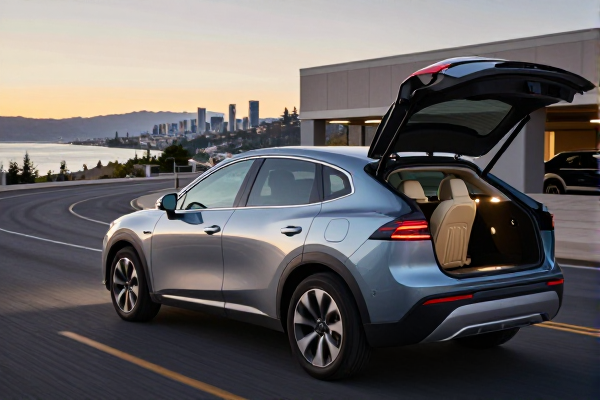
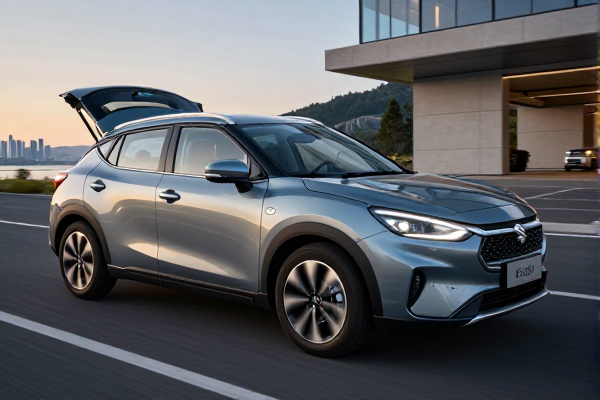
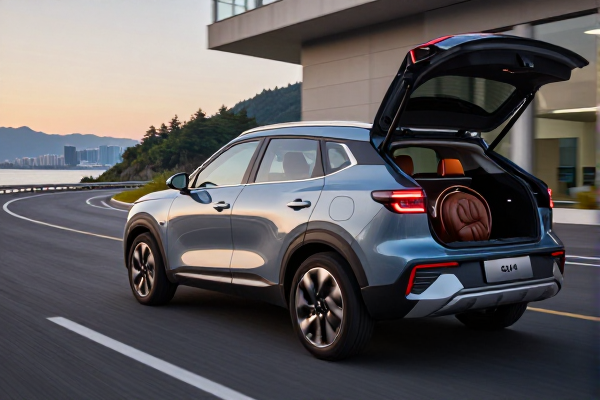
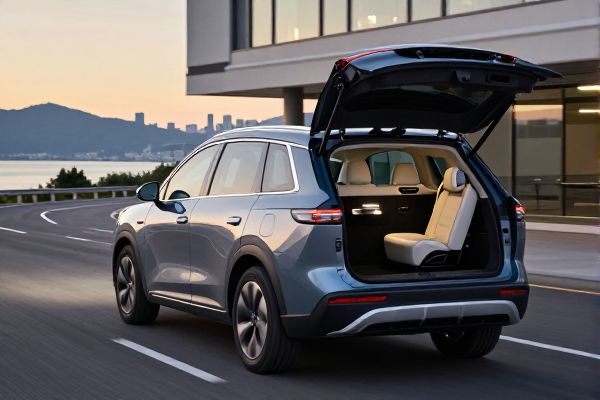
The Big News: Introducing the Model Y L The headline update for the 2027 model year is the stretched Model Y L. While it maintains the familiar minimalist silhouette, the extended wheelbase and subtly altered roofline are engineered for one primary purpose: to add a usable third row of seats. This variant swaps the standard second-row bench for captain’s chairs, potentially redefining the Model Y as a more viable three-row family hauler. This move counters rivals like the upcoming Kia EV9 and signals Tesla's intent to capture buyers before they graduate to larger, more expensive SUVs.
Pricing Strategy and Trim Walkthrough Tesla's pricing remains fluid, but the structure is clear: value is front and center. The base Rear-Wheel Drive model offers an entry point, while the dual-motor all-wheel-drive variants cater to those seeking performance or all-weather capability. The new Model Y L commands a premium for its added space and seating configuration. Savvy shoppers should note that significant savings can often be found by opting for the mechanically similar Model 3 sedan, which shares much of its DNA with the Y but in a lower, sportier package.
Performance: Electrifying Power with a Trade-Off The powertrain lineup is familiar but potent. Choices range from a 300-horsepower single-motor RWD setup to a blistering 510-hp dual-motor Performance variant. The instant torque delivery is a given, with the Performance model achieving 0-60 mph in a claimed 3.3 seconds. Recent driving impressions suggest Tesla has refined the suspension and sound insulation, leading to a quieter and more composed ride than earlier versions. However, the steering feedback and overall driving engagement still trail behind sportier alternatives like the Model 3 or the Porsche Macan Electric, a reminder that the Y prioritizes utility over outright fun.
Range and Charging: The Persistent Advantage Range anxiety is less of a concern here. Even the base all-wheel-drive model is EPA-rated for 294 miles, with the most efficient rear-wheel-drive variant achieving an impressive 357 miles. Real-world 75-mph highway tests by automotive media have shown results in the 270-mile range for higher-trim models, which is competitive. Tesla's vast Supercharger network remains a colossal advantage, offering charging speeds that can add nearly 180 miles of range in about 15 minutes under ideal conditions. This infrastructure edge is something most competitors still cannot match.
Interior & Technology: A Study in Minimalist Philosophy Step inside, and the ethos is starkly digital. Nearly every function is managed through the central 16-inch touchscreen. This design polarizes: tech enthusiasts appreciate the clean, updateable interface, while others lament the lack of physical controls for basic functions like climate adjustment or wipers. The cabin is airy, thanks to the standard glass roof, and materials have improved, though the overall ambiance still leans toward functional rather than luxurious. The optional 15-speaker audio system is a highlight, offering exceptional clarity.
Safety and Driver-Assistance: Leading, with Caveats Every Model Y comes standard with a robust suite of driver-assistance features, including automated emergency braking and adaptive cruise control. Tesla's controversial Full Self-Driving (Supervised) capability is an expensive option. It's crucial for buyers to understand that this is a Level 2+ system, requiring constant driver supervision and readiness to intervene. While it can reduce fatigue on long highway stretches, it is not an autonomous driving system. Crash-test ratings from the NHTSA and IIHS have historically been top-tier, a key consideration for families.
The Verdict: Who is the 2027 Model Y For? The Tesla Model Y's position has evolved. It's no longer the only compelling choice, but it remains a supremely logical one. Its strengths—outstanding range, access to the best fast-charging network, and strong performance—are foundational. The new Model Y L adds a legitimate new dimension for larger families. Its weaknesses, primarily the firm ride and divisive interior design, are well-documented. For buyers who value technology, efficiency, and that seamless Tesla ecosystem, the Model Y is still incredibly hard to beat. For those who prioritize plush ride comfort, traditional luxury, or physical controls, the expanding field of electric SUVs offers compelling alternatives.