Browse

Log in / Register
 Share

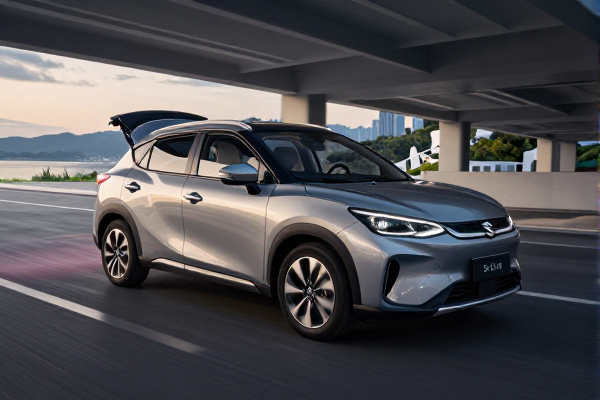
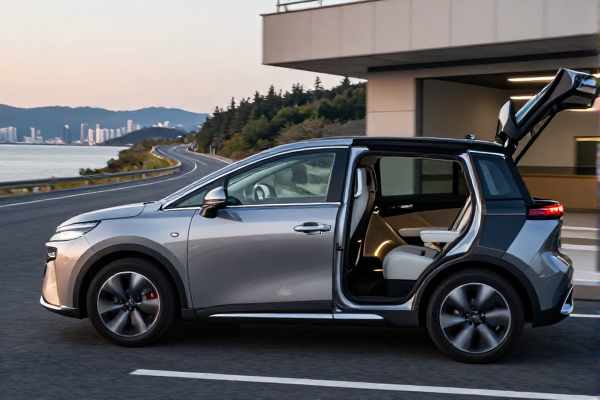
Suzuki has officially unveiled the production version of its e Sky electric kei car, a pint-sized hatchback that promises to squeeze 193 miles (310 km) of range from a surprisingly small battery pack. The model goes on sale in Japan this autumn, with European and UK markets expected to follow in 2027, marking Suzuki’s first dedicated entry into the light passenger EV segment.
The e Sky is Suzuki’s third production EV, following the e Vitara subcompact SUV and the e Every kei van. But unlike those models, the e Sky is built specifically for Japan’s fast-growing kei car passenger segment, where tiny dimensions and low running costs are paramount. Suzuki says the goal is to make the switch from internal combustion to electric as painless as possible for daily drivers, emphasizing comfort, smooth acceleration, and a quiet cabin.
Design: From Concept to Reality, Almost Unchanged
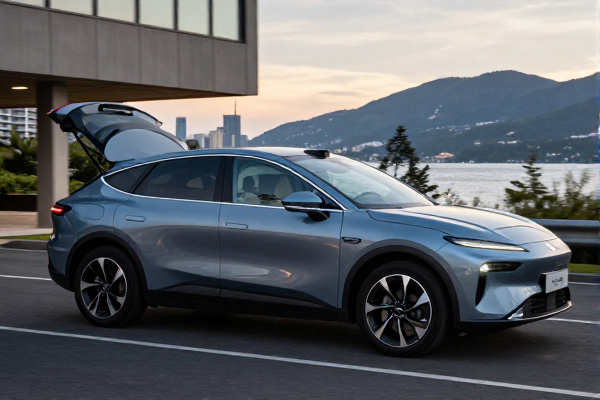
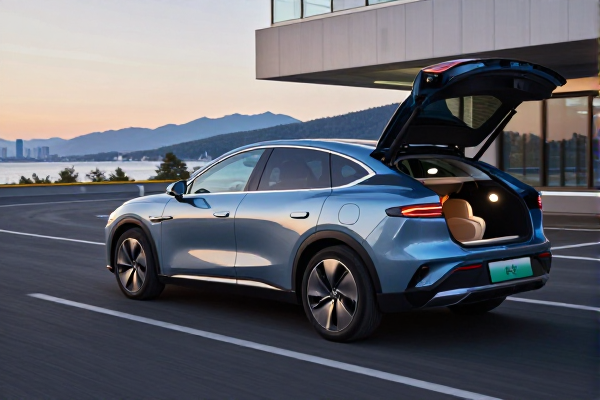
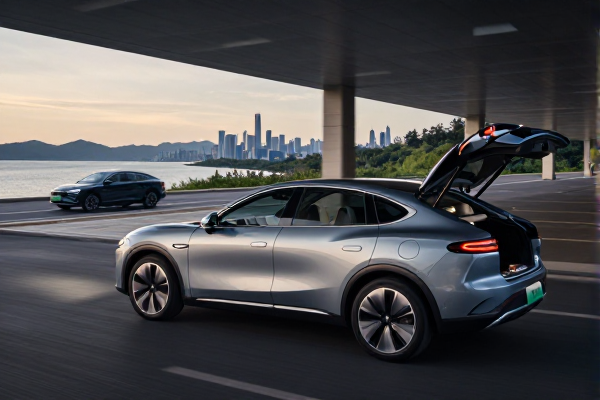
Visually, the e Sky is a near-direct translation of the Vision e-Sky concept shown earlier in 2025. The five-door hatchback retains the concept’s clean, rounded lines, short overhangs, and prominent Suzuki badge. The only visible concessions are production-ready headlights, mirrors, and door handles. The overall silhouette is unmistakably a kei car—compact, upright, and maximally efficient with space.
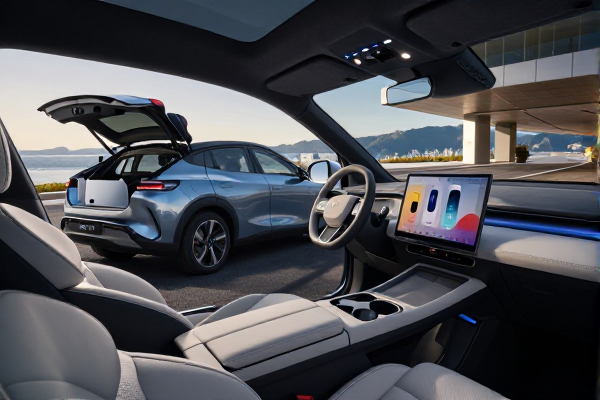
Inside, Suzuki has not released detailed images, but early reports suggest a minimalist dashboard dominated by a digital instrument cluster and a central touchscreen. The e Sky is expected to seat four adults, consistent with kei car regulations.
The Battery: Small But Mighty
The headline figure is the 193-mile range, achieved with a battery pack that Suzuki claims is among the smallest in its class for the range delivered. While the exact capacity has not been confirmed, industry insiders estimate it to be around 30–35 kWh, based on typical kei EV efficiency. This would put the e Sky’s energy consumption at roughly 5.5–6.5 miles per kWh, an impressive figure for a vehicle of this size.
Suzuki has not yet disclosed charging speeds, but the e Sky is expected to support both AC and DC fast charging, likely topping out at 50–100 kW to keep costs low. The small battery also means lower weight and faster charging times for the first 80%—a key selling point for urban drivers.
Market Positioning: Filling a Gap in Japan’s EV Landscape
Japan’s kei car market is dominated by models like the Honda N-Box, Daihatsu Move, and Suzuki’s own Wagon R. However, electric kei cars remain rare. Nissan’s Sakura and Mitsubishi’s eK X EV have been the only serious players, with combined sales of just over 50,000 units in 2024. Suzuki’s entry could shake up the segment.
“The e Sky is not just another EV; it’s a strategic move to capture the hearts of the 8 million+ kei car users in Japan who are considering electrification,” said automotive analyst Kenji Tanaka of Tokyo-based research firm AutoInsight. “Suzuki’s strength lies in its understanding of Japanese driving habits—short commutes, tight parking, and low maintenance. The e Sky is designed to do exactly that without range anxiety.”
European and UK Plans: 2027 Arrival, Potential Spec Changes
Suzuki confirmed that the e Sky will be exported to mainland Europe and the UK, but not until 2027. This timeline suggests the company is prioritizing the home market first, then adapting the model for European regulations, including higher crash safety standards, larger battery capacity, and possibly a longer wheelbase.
European buyers may see a version with a bigger battery (around 40–45 kWh) to meet the 250+ km range expectation, while keeping the same compact footprint. The e Sky could compete with the Dacia Spring, Citroën ë-C3, and the upcoming Renault Twingo EV, all of which target the sub-$25,000 price point.
What’s Missing? Suzuki’s Broader EV Strategy
The e Sky is part of Suzuki’s larger electrification push, announced in 2024. The company plans to invest $10 billion in EVs by 2030, with a goal of 15% EV sales by 2030. The e Vitara and e Every are already on sale in limited markets, and the e Sky fills the last gap in the passenger car lineup.
However, Suzuki has not yet revealed pricing for the e Sky. In Japan, kei EVs typically cost between $12,000–$18,000 after subsidies. If Suzuki can keep the e Sky under $15,000, it could become a volume leader. For context, the Nissan Sakura starts at around $13,300 after incentives.
Competition: How the e Sky Stacks Up
| Model | Battery (est.) | Range (WLTP) | Price (Japan, after subsidies) |
|---|---|---|---|
| Suzuki e Sky | 30–35 kWh | 310 km (193 mi) | TBD (expected $12K–$15K) |
| Nissan Sakura | 20 kWh | 180 km (112 mi) | ~$13,300 |
| Mitsubishi eK X EV | 20 kWh | 180 km (112 mi) | ~$13,500 |
| Honda N-One EV (2026) | 30 kWh est. | 200 km (124 mi) | TBD |
The e Sky’s 310 km range is a clear advantage over existing rivals. If Suzuki can deliver on that figure, it will be the longest-range kei EV on the market—by a significant margin.
Conclusion: A Kei Car That Could Change the Game
Suzuki’s e Sky is not just another small EV; it’s a carefully calibrated product that leverages the company’s kei car expertise and modern battery technology. The 193-mile range from a small battery addresses the biggest barrier to EV adoption in Japan: range anxiety. With a familiar design, expected competitive pricing, and a proven brand, the e Sky could become the default choice for Japanese drivers looking to go electric.
For the US market, the e Sky is unlikely to arrive anytime soon, given kei cars are not sold in North America. However, Suzuki’s approach of maximizing range from a small battery pack could influence future EVs for global markets, including the US.
July 15, 2025